West Bengal Assembly Dissolved as Governor Acts on Election Outcome
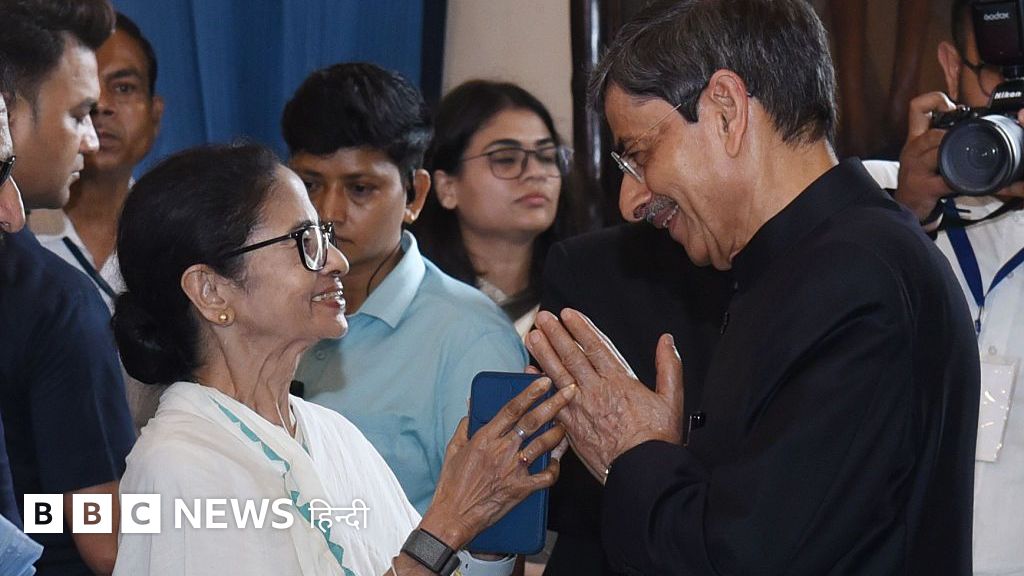
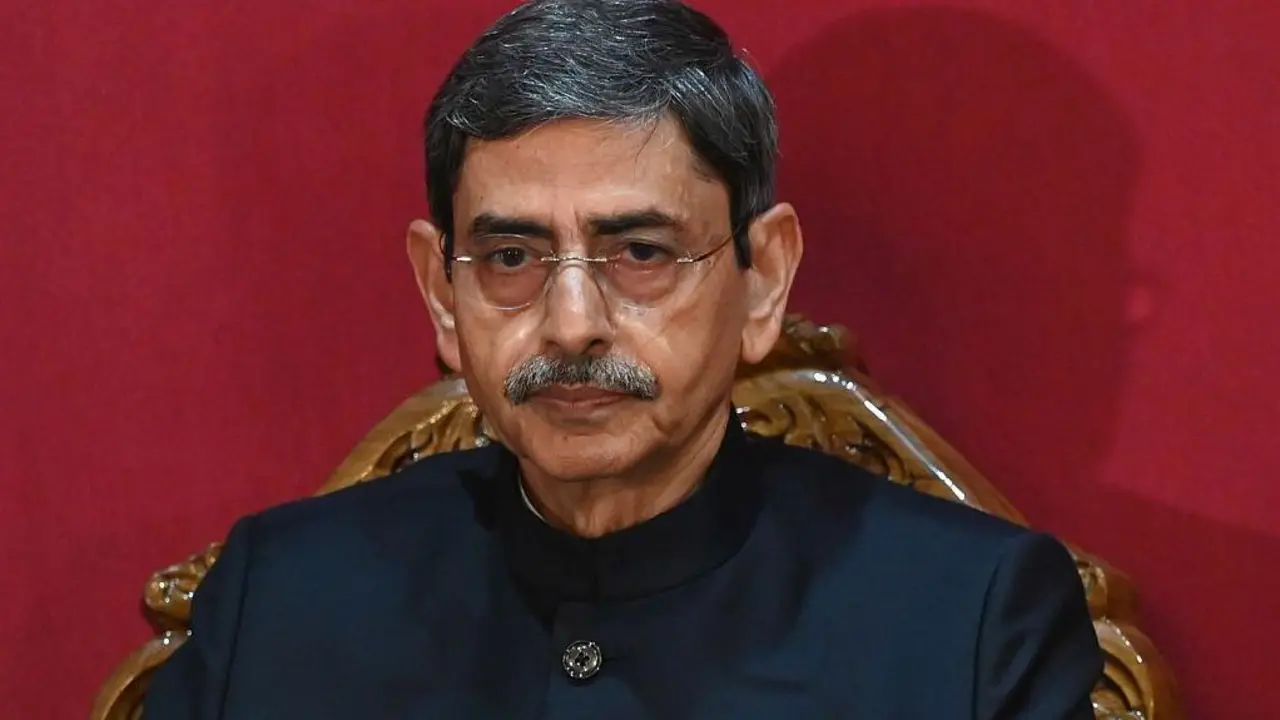
Governor R N Ravi dissolves the state assembly following the end of its term, amid ongoing political uncertainty.
INDIA —
Key facts
- West Bengal Governor R N Ravi has ordered the dissolution of the state assembly.
- The current West Bengal Assembly's term was set to end on May 7, 2026.
- The term officially began on May 8, 2021.
- Mamata Banerjee has not yet resigned following her party's election defeat.
- The Governor's action follows a two-day wait for Banerjee's resignation.
- The BJP is preparing for a swearing-in ceremony.
- The dissolution triggers the process for forming a new government and swearing in new MLAs.
Governor Orders Assembly Dissolution
West Bengal Governor R N Ravi has issued an order to dissolve the state assembly, marking a significant step following the recent election results. This action comes after a period of political anticipation, with the Governor reportedly waiting two days for Chief Minister Mamata Banerjee to resign after her party's electoral setback. The dissolution officially concludes the term of the current legislative body, paving the way for the formation of a new government. The process will involve the swearing-in of newly elected Members of the Legislative Assembly (MLAs) and the establishment of the next state administration. This move by the Governor is a procedural step to formalize the political transition after an election. The BJP, having secured a significant mandate, is reportedly preparing for a swearing-in ceremony, signaling their readiness to assume power.
Constitutional Framework for Governor's Role
The Governor's authority in such matters is rooted in constitutional provisions. Article 164(1) of the Constitution states that the Chief Minister shall be appointed by the Governor, and other ministers shall be appointed on the advice of the Chief Minister. Ministers are to hold office during the pleasure of the Governor. A literal interpretation of these provisions suggests that the Governor possesses the power to remove a Chief Minister from office. This constitutional underpinning provides the framework for the Governor's actions in response to election outcomes and the resignation or non-resignation of the incumbent government. The dissolution of the assembly is a formal step that follows the conclusion of its mandated term or in response to significant political shifts, such as a loss of confidence or a clear electoral mandate for a new party.
Mamata Banerjee's Stance Amidst Political Shift
Despite the election results, Mamata Banerjee, the leader of the Trinamool Congress (TMC), has not yet submitted her resignation. Her party faced a significant challenge in the recent polls, leading to a situation where her government's continuation in power became untenable. Senior Congress leader Tariq Anwar commented on the situation, acknowledging that Banerjee herself understood the impossibility of remaining in government after her party failed to secure a renewed mandate. This sentiment suggests an acceptance of the electoral verdict, even as the formal resignation process unfolds. Banerjee has also indicated her intention to consult with other opposition leaders regarding the broader political landscape. She has previously accused the BJP of attempting to impose a one-party rule across the country, highlighting a national dimension to the regional political developments.
Timeline and Assembly Term
The current West Bengal Legislative Assembly commenced its term on May 8, 2021. Its constitutional tenure was set to conclude on May 7, 2026. However, the Governor's order of dissolution effectively brings the assembly's term to an early close in terms of its operational capacity for government formation. This action is a precursor to the establishment of a new legislative body and government. The Governor's decision to dissolve the assembly followed a two-day period of waiting for Banerjee's resignation, indicating a procedural adherence to established norms in the transition of power.
Broader Political Context and BJP's Reach
The political developments in West Bengal occur within a national context where the BJP has significantly expanded its footprint. The party currently holds power in 21 out of 28 Indian states, underscoring its widespread influence. Mamata Banerjee's accusations of the BJP aiming for a 'one-party rule' reflect a broader concern among opposition parties about the concentration of power at the federal level and its potential impact on regional governance. Her planned consultations with other opposition leaders suggest an effort to forge a united front against the BJP's dominance, a strategy that could shape national political discourse in the coming period.
Parallel Situation in Tamil Nadu
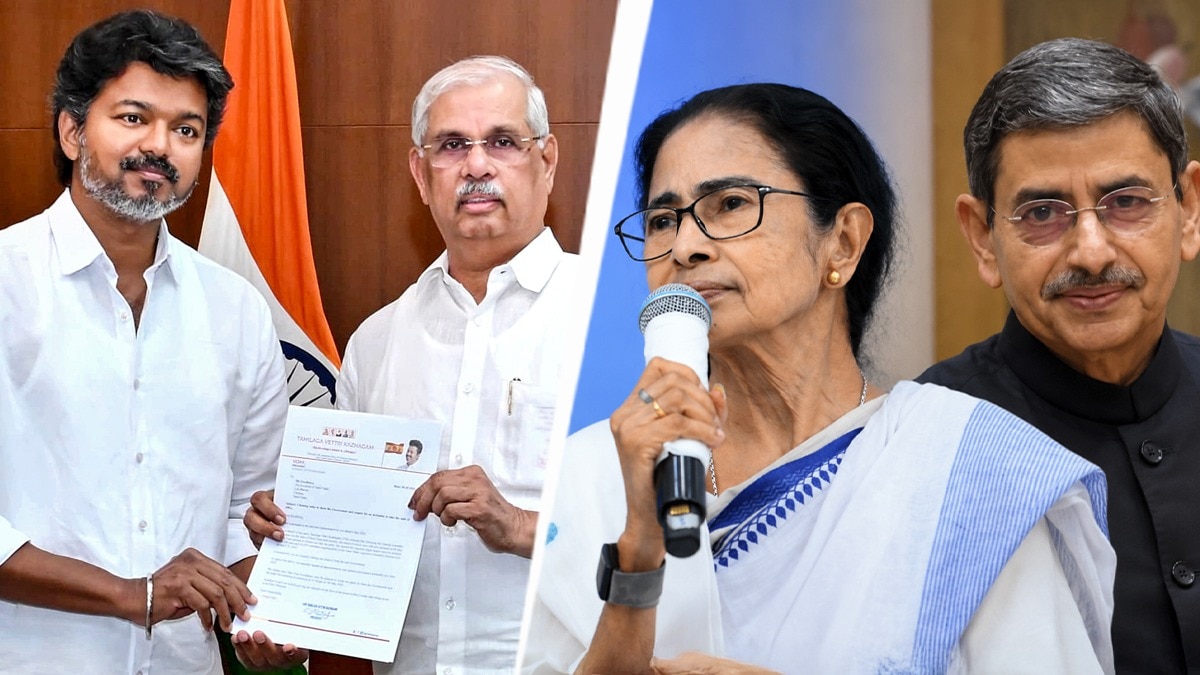
A similar situation of awaiting a new government is unfolding in Tamil Nadu, where the TVK party emerged as the largest single party after the assembly elections. However, TVK has been struggling to secure the necessary majority to form a government. TVK has been attempting to garner support, meeting with Governor R N Ravi to discuss the formation of a new government. The Governor has reportedly made it clear that the required majority support has not yet been demonstrated in the Tamil Nadu Assembly. Despite receiving support from the Congress party, which has 5 MLAs, TVK's total stands at 113 in a 234-member assembly, falling short of the 118 seats needed to form a government. This highlights the complex coalition-building challenges that can arise even after elections.
The bottom line
- West Bengal's Governor has dissolved the state assembly, initiating the process for a new government's formation.
- The dissolution follows the end of the assembly's term and a period of waiting for Chief Minister Mamata Banerjee's resignation.
- Constitutional provisions grant the Governor significant authority in appointing ministers and managing the transition of power.
- Mamata Banerjee has not yet resigned, and has voiced concerns about the BJP's national political ambitions.
- The BJP is preparing for a swearing-in ceremony, reflecting its electoral success.
- A similar political transition is underway in Tamil Nadu, where the leading party is also struggling to prove a majority.



CBSE Class 12 Results 2026 Expected Soon for Over 18 Lakh Students

Maharashtra Board to Announce SSC 10th Results Tomorrow

Uttar Pradesh Police Declare Results for 4,543 Sub-Inspector Posts
