Xiaomi Opens Android 17 Developer Preview with HyperOS 3.3, Skipping Version 3.2
The Chinese smartphone maker offers early access on four devices, including the Leitz Phone, but warns of instability and data loss risks.
INDIA —
Key facts
- Xiaomi opened Android 17 Developer Preview on April 17, 2026.
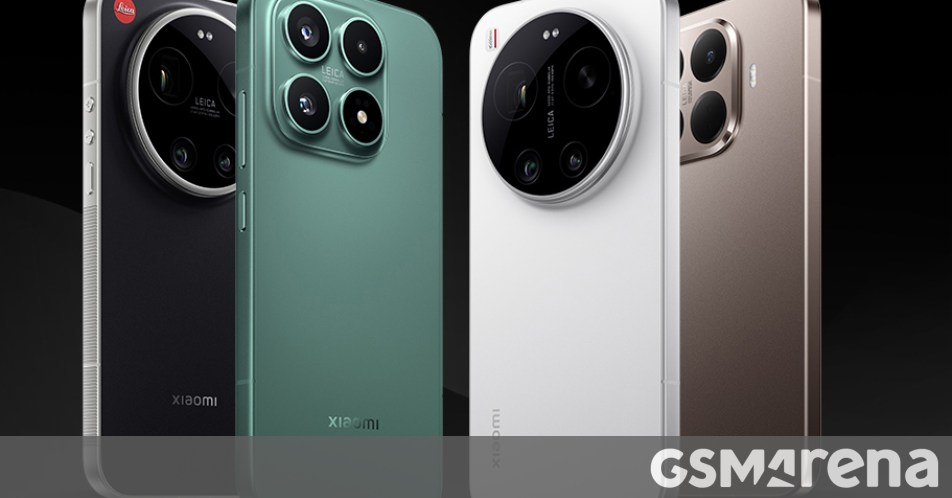
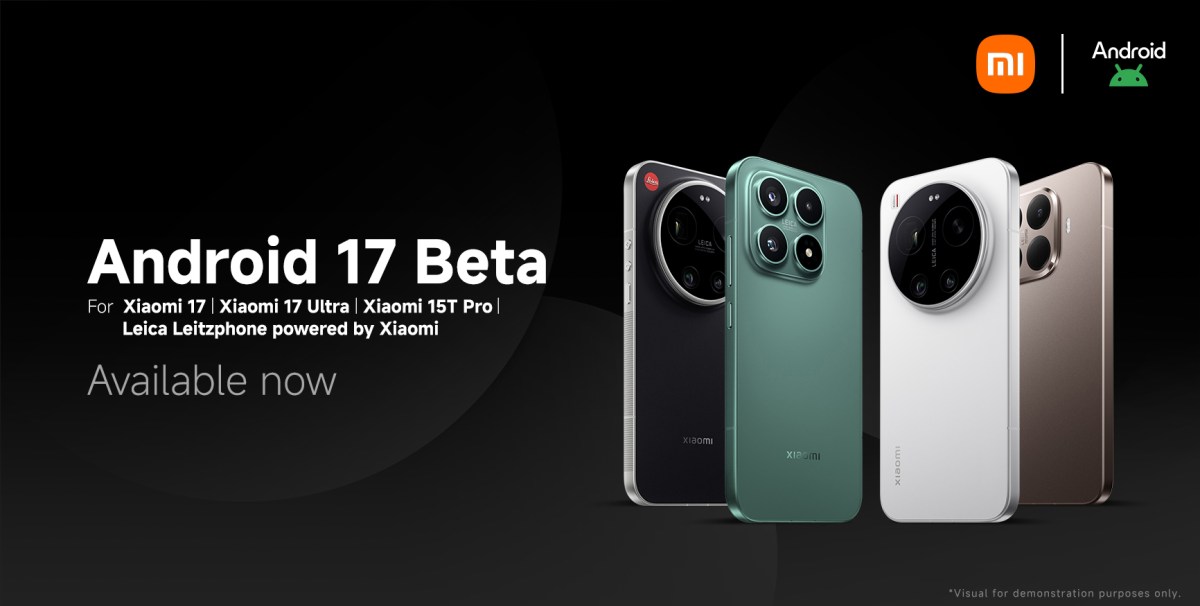
- First eligible devices: Xiaomi 17, Xiaomi 17 Ultra, Xiaomi 15T Pro, and Leitz Phone.
- Xiaomi pairs Android 17 with HyperOS 3.3, skipping HyperOS 3.2 and 4.
- The beta is unstable, not recommended for daily use, and may wipe data.
- Xiaomi provides rollback ROMs for supported devices.
- Motorola, OnePlus, and OPPO are also testing Android 17 beta on select models.
- Google released Android 17 Beta 3 in early April 2026.
- The Developer Preview targets developers testing app compatibility.
Xiaomi Launches Android 17 Developer Preview on Four Devices
Xiaomi has opened its Android 17 Developer Preview program, granting early access to the next version of the operating system on four smartphone models. The program, announced today, April 17, 2026, covers the Xiaomi 17, Xiaomi 17 Ultra, Xiaomi 15T Pro, and the Leica-branded Leitz Phone. This marks Xiaomi’s entry into the broader Android 17 beta rollout that already includes Motorola, OnePlus, and OPPO. The Developer Preview is designed primarily for developers to test their applications in the new software environment. However, Xiaomi warns that the build remains unstable and not suitable for daily use. Users may encounter bugs, performance hiccups, or unexpected behavior. The company strongly advises against installing the preview on a primary device.
HyperOS 3.3 Replaces HyperOS 4 in Xiaomi’s Naming Strategy
The Android 17 Developer Preview ships with HyperOS 3.3, Xiaomi’s custom overlay, rather than the expected HyperOS 4. The company has skipped HyperOS 3.2 entirely for reasons not disclosed. This shift in naming strategy suggests that Xiaomi is aligning its software versioning more closely with Android releases. The preview reveals the groundwork for a new HyperOS design, though full details remain unclear. Future builds are expected to provide a clearer picture of the visual and functional changes. The decision to pair Android 17 with HyperOS 3.3 instead of a major version jump indicates a more incremental update approach.
Installation Risks and Rollback Options
Installing the Android 17 Developer Preview carries significant risks. The flashing process can completely wipe all user data, making a full backup essential before proceeding. Additionally, the device must be on a compatible security patch level, with requirements varying by model. Xiaomi provides rollback ROMs for supported devices, allowing users to revert to a stable Android version if the preview proves problematic. This safety net is crucial given the experimental nature of the build. The company has not specified a timeline for expanding the program to additional devices, but broader support is expected as the official Android 17 release approaches.
Android 17 Beta Ecosystem Expands Beyond Pixel
Xiaomi joins a growing list of OEMs testing Android 17. Google released Android 17 Beta 3 in early April 2026, bringing features like notification rules with granular control for apps and contacts. Motorola began its beta program earlier this year, supporting models such as the Razr Plus 2025 and Razr Plus 2024. OnePlus 15 and OPPO Find X9 Pro are also part of early testing efforts. Google’s Pixel 6 and newer models received Android 17 QPR1 Beta 1 recently. The expansion of beta access to multiple brands signals that Android 17’s development is progressing steadily. Third-party developers now have more opportunities to optimize their apps for the upcoming OS.
What the Developer Preview Reveals About Android 17
While the Xiaomi Developer Preview focuses on the HyperOS overlay, broader Android 17 features are emerging from other sources. Beta 3 hints at a new priority charging feature and OEM-exclusive camera capabilities in third-party apps. Earlier betas introduced bubbles for any app and expanded SMS OTP protection. The Xiaomi build itself does not detail these features, but the company’s early participation suggests it will integrate them into HyperOS 3.3. The design overhaul hinted at in the preview may incorporate Android 17’s system-level changes. Developers can now begin testing their apps against both the base Android 17 and Xiaomi’s customizations.
Outlook: Broader Device Support and Stable Release Ahead
Xiaomi’s Developer Preview is limited to four models for now, but the company is likely to expand support as the official Android 17 release nears. Historical patterns indicate that more Xiaomi and Redmi devices will receive beta access in the coming months. The stable version of Android 17 is expected later this year, with Xiaomi rolling out HyperOS 3.3 updates accordingly. The decision to skip HyperOS 3.2 and 4 raises questions about Xiaomi’s long-term software strategy. Whether this is a one-time adjustment or a new versioning philosophy remains to be seen. For now, developers and early adopters have a first look at what Xiaomi’s next major software update will entail.
The bottom line
- Xiaomi’s Android 17 Developer Preview is live on Xiaomi 17, 17 Ultra, 15T Pro, and Leitz Phone.
- The preview pairs Android 17 with HyperOS 3.3, skipping HyperOS 3.2 and 4.
- The build is unstable and not recommended for daily use; data loss is possible.
- Rollback ROMs are available for reverting to a stable version.
- Other OEMs like Motorola, OnePlus, and OPPO are also testing Android 17 beta.
- Broader device support and a stable release are expected later in 2026.



Bhuvneshwar Kumar's ₹70–75 Crore Net Worth and Meerut Bungalow: A Cricketer's Journey

Today's Chanakya Exit Poll Predicts Mamata Banerjee's Defeat in West Bengal

Bhuvneshwar Kumar's Death-Overs Mastery Propels RCB into Top-Four Clash with GT