Trump signs DHS funding bill, ending 76-day shutdown that crippled US airports
The measure funds key agencies but excludes ICE and Border Patrol, leaving immigration enforcement in limbo as Republicans push a separate $70 billion plan.
INDIA —
Key facts
- President Donald Trump signed the DHS funding bill on Thursday, ending a 76-day partial shutdown.
- The bill funds FEMA, Coast Guard, TSA, and Secret Service through September but not ICE or Border Patrol.
- Democrats forced the shutdown on February 14 after Republicans rejected demands for immigration enforcement reforms.
- The shutdown caused weeks of chaos at US airports due to unpaid TSA agents and hours-long wait times.
- House Speaker Mike Johnson called the initial Senate bill 'a joke' but later backed it after a budget resolution passed.
- The budget resolution authorizes $70 billion for ICE and Border Patrol over three years via reconciliation.
- A 45-day extension of the FISA Section 702 foreign spy program was also signed into law.
- Emergency DHS funds were set to run out on Thursday, Homeland Security Secretary Markwayne Mullin warned.
Shutdown ends after 76 days, but immigration agencies remain unfunded
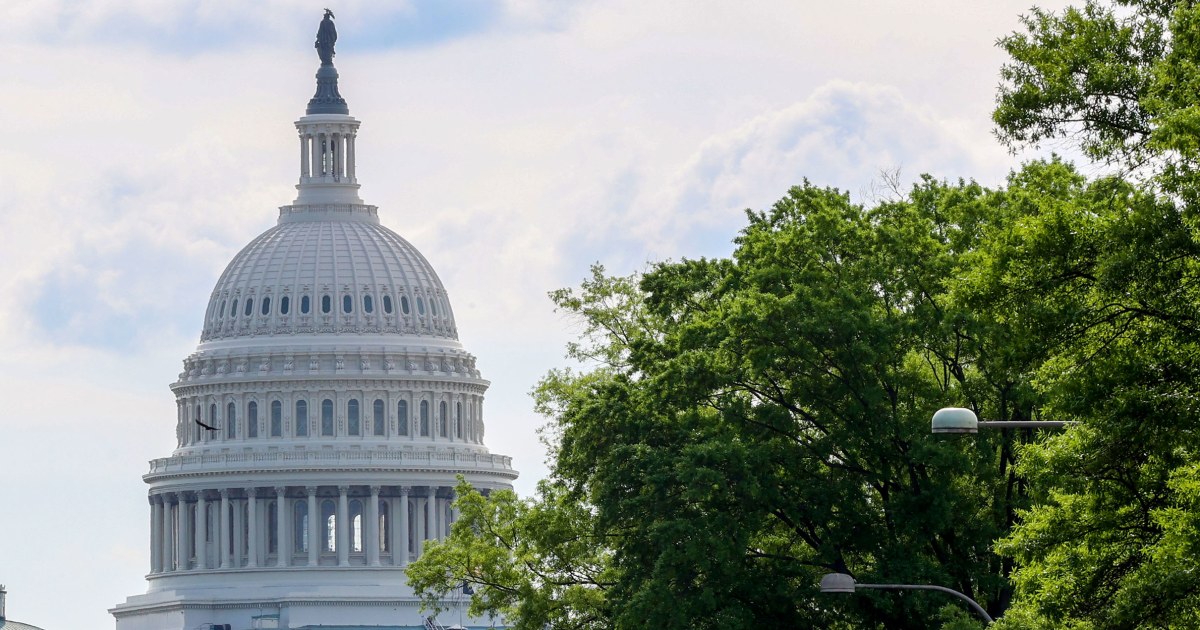
President Donald Trump signed a spending bill on Thursday that officially ends the 76-day partial shutdown of the Department of Homeland Security, the longest such closure in US history. The legislation, passed by the House and Senate earlier in the day, funds most DHS agencies — including the Federal Emergency Management Agency, the Coast Guard, the Transportation Security Administration and the Secret Service — through the end of September. But the bill explicitly excludes new funding for Immigration and Customs Enforcement and the Border Patrol, the two agencies at the heart of the political standoff. Democrats had refused to fund them unless the Trump administration agreed to reforms, including mandatory body cameras for agents and limits on raids in sensitive locations such as schools and hospitals. Republicans rejected those demands, leading to an impasse that shut down the department on February 14.
Airport chaos and unpaid workers drove urgency
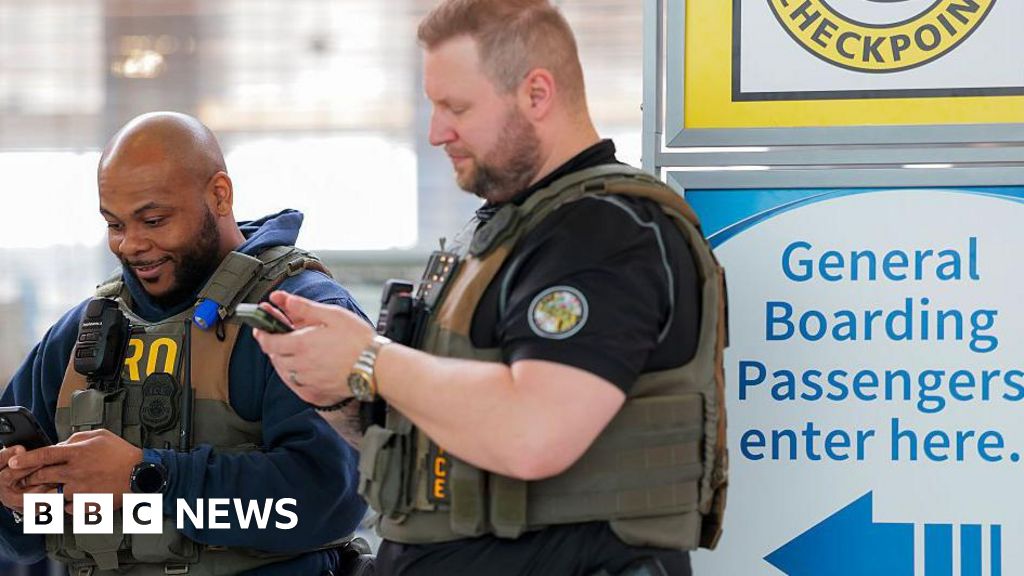
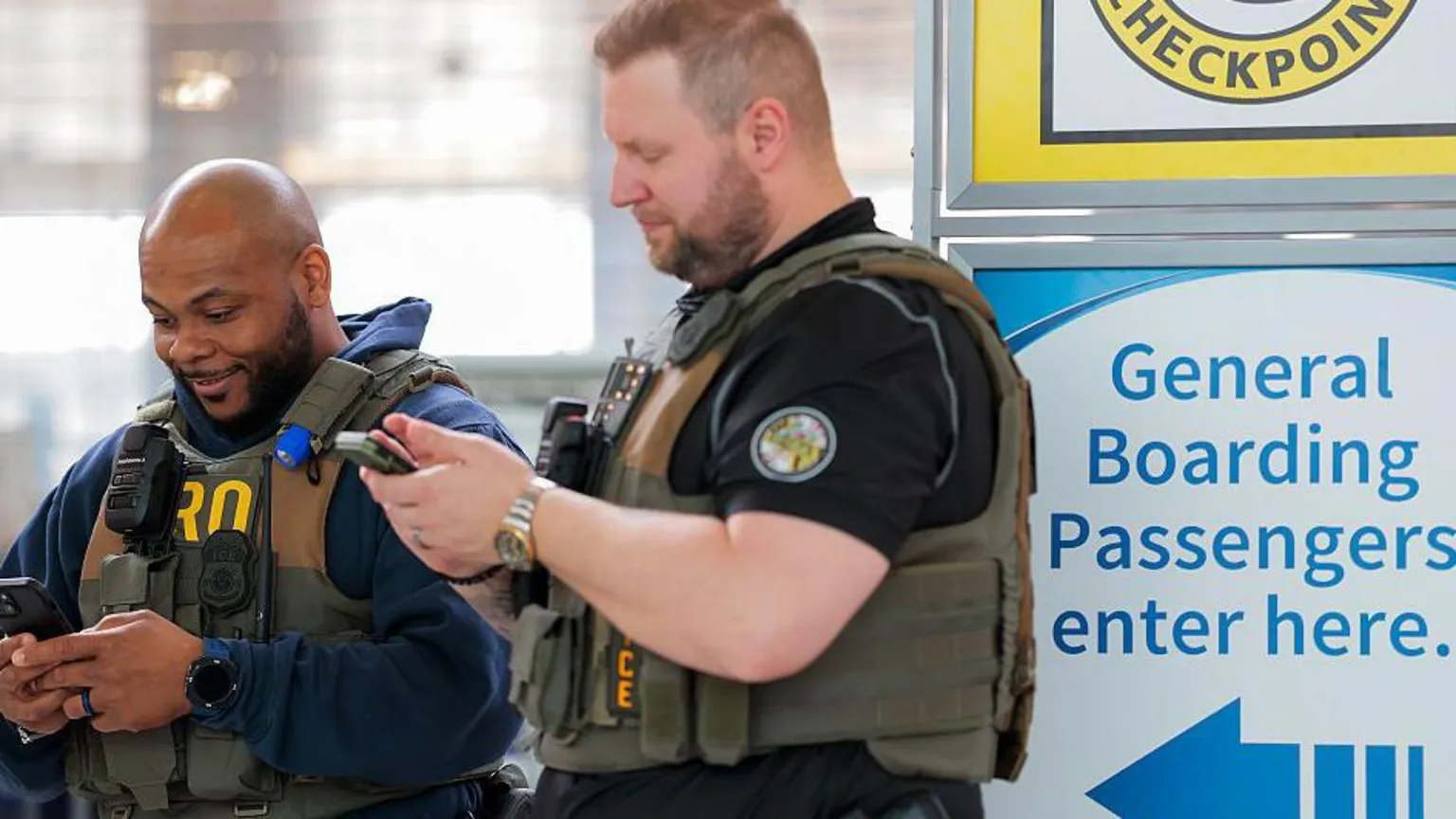
The shutdown caused weeks of disruption at airports across the United States, as Transportation Security Administration agents — deemed essential workers — were required to work without pay. Hours-long wait times at checkpoints became common, and the Trump administration warned that emergency funds were about to run out. In March, Trump signed an executive order to pay TSA agents, but the underlying funding crisis persisted. Homeland Security Secretary Markwayne Mullin had warned lawmakers that if they did not pass funding by Thursday, thousands of workers would not be paid. The House approved the bill by voice vote, with members shouting their approval without recording individual tallies. 'We're not going to have lines at TSA. Everybody will get their paychecks now,' House Speaker Mike Johnson told reporters after the vote.
Republicans pivot to budget reconciliation for ICE and Border Patrol funding
The standoff over ICE and Border Patrol funding is not resolved, but Republicans have charted a path forward. On Wednesday, the House passed a budget resolution that instructs congressional committees to draft legislation authorizing $70 billion for the two agencies over roughly three years. The Senate has already approved the measure. Under the budget reconciliation process, Republicans can pass that legislation with a simple majority, needing no Democratic support in either chamber. 'We got the budget resolution passed. This is very, very important, because that will ensure that border security and immigration enforcement will continue today and well into the future,' Johnson said. 'Democrats got absolutely nothing for their political charade and shenanigans out of them.'
Democrats forced shutdown over immigration enforcement reforms
The crisis began on February 14, when Democrats refused to approve DHS funding unless Republicans agreed to changes in immigration enforcement tactics. The trigger was two deadly shootings in Minnesota involving federal immigration officers, which intensified calls for reform. Democrats demanded body cameras for agents, restrictions on raids in sensitive locations, and other accountability measures. Republicans rejected those conditions, insisting on full funding without policy changes. The resulting shutdown was the first partial closure of DHS in history, and it dragged on for 76 days as both sides refused to budge. In late March, the Senate unanimously approved a bill to fund most DHS agencies except ICE and the Border Patrol, but House Speaker Johnson dismissed it as 'a joke' at the time.
FISA extension signed alongside DHS bill
In a parallel legislative action, Congress passed a short-term extension of the foreign spy program known as FISA Section 702, which was set to expire on Thursday. Both parties agreed that letting the program lapse would be devastating for national security. The extension lasts 45 days, giving lawmakers time to negotiate a longer-term reauthorization before they depart for a weeklong recess. Trump signed the FISA extension into law on Thursday evening, shortly after signing the DHS funding bill. The two measures together cleared a critical legislative logjam, but the underlying disputes over immigration enforcement and surveillance powers remain unresolved.
Next steps: $70 billion reconciliation bill and ongoing immigration debate
With the DHS funding bill signed, attention now shifts to the budget reconciliation process that will determine the future of ICE and Border Patrol funding. Republicans aim to pass the $70 billion authorization with their own votes, bypassing Democratic demands entirely. If successful, the two agencies would receive stable funding for the remainder of Trump's term. But the political battle is far from over. Democrats have signaled they will continue to push for reforms, and the shootings in Minnesota have kept public pressure on immigration enforcement practices. The shutdown may have ended, but the deeper conflict over how America polices its borders — and at what cost — remains as sharp as ever.
The bottom line
- The 76-day DHS shutdown ended with a bill that funds most agencies but excludes ICE and Border Patrol, leaving immigration enforcement in a precarious position.
- Airport chaos and unpaid TSA workers were the most visible consequences of the impasse, forcing emergency executive action in March.
- Democrats forced the shutdown over demands for immigration enforcement reforms, including body cameras and limits on sensitive-location raids.
- Republicans plan to use budget reconciliation to pass $70 billion for ICE and Border Patrol without Democratic support.
- A 45-day extension of FISA Section 702 was also signed, averting a separate national security crisis.
- The underlying dispute over immigration policy remains unresolved, with both parties entrenched in their positions.
Andhra Pradesh SSC 2026 Results Released with 85.25% Pass Percentage
GSEB to Release Class 10 and 12 Results in May 2026, with HSC Science First

HFCL shares surge 50% in a month as defence and hyperscale orders fuel rally