Hantavirus Outbreak on MV Hondius Linked to Argentina; Passengers Dispersed
An investigation is underway to determine if Argentina is the origin of a deadly hantavirus outbreak affecting passengers of the MV Hondius cruise ship.
IRAQ —
Key facts
- Eight hantavirus cases, three confirmed, have been detected aboard the MV Hondius.
- Three individuals have died from the hantavirus outbreak.
- One patient is in intensive care in Johannesburg, South Africa; another is hospitalized in Switzerland.
- Twenty-three passengers disembarked in Saint Helena on April 21 and were not contacted by health authorities for over two weeks.
- The outbreak aboard the MV Hondius is caused by the Andes virus (ANDV), known to spread person-to-person.
- 101 hantavirus infections since June 2025, nearly double the previous year's caseload.
- The mortality rate for hantavirus in Argentina has nearly doubled in the past year.
Cruise Ship Becomes Epicenter of Deadly Hantavirus Outbreak
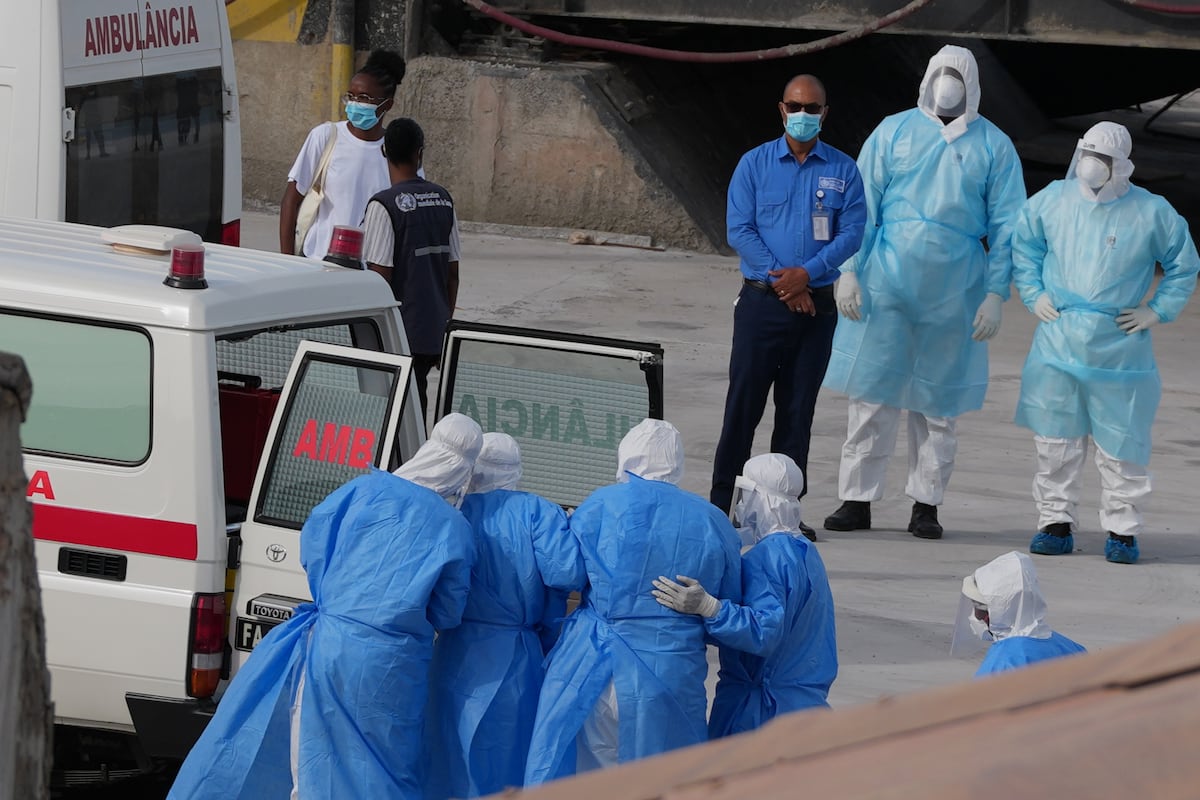
A deadly hantavirus outbreak has gripped passengers aboard the MV Hondius, a cruise ship currently moored across the Atlantic. As of Wednesday, health authorities confirmed eight cases of the virus, three of which have been definitively diagnosed. The grim toll includes three fatalities, with one patient in intensive care in Johannesburg, South Africa, and another receiving treatment in a Swiss hospital. The situation has prompted an urgent investigation into the virus's origins, with a particular focus on Argentina's recent surge in hantavirus infections. The World Health Organization has identified the specific strain responsible as the Andes virus (ANDV), a variant notable for its capacity to transmit between humans. This characteristic has raised significant concerns, especially given the dispersal of passengers who had been on board. The ship's status as a floating epicenter underscores the challenges of containing infectious diseases in a globalized world, where travel can quickly disseminate pathogens across continents.
Passengers Dispersed Amidst Delayed Health Response
A critical lapse in public health response has emerged concerning passengers who disembarked from the MV Hondius before the full extent of the outbreak was understood. Twenty-three individuals left the ship on the island of Saint Helena on April 21, a full ten days after the first death occurred onboard. These passengers, hailing from diverse locations including Australia, Taiwan, North America, England, and the Netherlands, have since returned to their home countries and resumed normal lives. Alarmingly, these 23 passengers were not contacted by health authorities, including the World Health Organization, until three days prior to Wednesday. A Spanish passenger, who remained anonymous, recounted to EL PAÍS that "until three days ago, no one had contacted them." Some individuals were only reached as recently as Tuesday, highlighting a significant delay in tracing and alerting those potentially exposed. One of these passengers, an Australian man, has since been admitted to a hospital in Switzerland with a positive hantavirus test, underscoring the potential for widespread transmission among those who left the ship unaware of their exposure.
Argentina Under Scrutiny as Potential Source of Andes Virus
Officials and experts in Argentina are actively investigating whether their country is the origin of the deadly hantavirus outbreak affecting the MV Hondius. Argentina has consistently been ranked by the World Health Organization as having the highest incidence of this rare, rodent-borne disease in Latin America. The nation has experienced a significant surge in hantavirus cases, with the Health Ministry reporting 101 infections since June 2025. This figure represents a near doubling of the caseload compared to the same period the previous year. The mortality rate for hantavirus in Argentina has also dramatically increased, nearly tripling in the last year to nearly a third of all cases, up from an average of 15% in the preceding five years. This heightened incidence in Argentina has led public health researchers to attribute the rise to the accelerating effects of climate change, which can expand the range of rodents carrying the virus. Argentina has pledged to assist Spain, Senegal, South Africa, the Netherlands, and the United Kingdom by providing genetic material of the Andes virus and testing equipment.
Understanding Hantavirus and the Andes Virus Strain
Hantaviruses represent a diverse family, with at least 38 recognized species, 24 of which are known to cause illness in humans. The Andes virus (ANDV), identified as the culprit in the MV Hondius outbreak, stands out as the sole strain documented to spread from person to person. Transmission of ANDV is believed to occur through close, prolonged contact involving bodily fluids. Typically, hantaviruses are contracted through exposure to the urine, droppings, or saliva of infected rodents, primarily by inhaling contaminated particles. However, the Andes virus's human-to-human transmission capability introduces a distinct layer of risk, particularly in enclosed environments like a cruise ship. The World Health Organization has stated that the overall risk to the public remains low, but the specific circumstances of the MV Hondius outbreak, coupled with the dispersal of passengers, warrant meticulous follow-up and stringent health protocols.
Rodrigo Morinigo's Tragic Case Highlights Severity
The devastating impact of the hantavirus is tragically illustrated by the case of 14-year-old Rodrigo Morinigo in Argentina. His parents, Daisy Morinigo and David Delgado, initially mistook his symptoms of fever and body aches for the flu. After being sent home by initial doctors with medication and rest orders, Rodrigo's condition rapidly deteriorated. He was rushed to intensive care on January 1, and tragically passed away just two hours after a hantavirus test confirmed his infection. His family's home in San Andrés de Giles, Argentina, is where Rodrigo lived when he contracted the illness, a region now under scrutiny as a potential source of the outbreak. Rodrigo's death, occurring in January, predates the wider international awareness of the MV Hondius outbreak but serves as a stark reminder of the virus's lethality, particularly the Andes strain, which has seen a significant increase in its mortality rate in Argentina.
Climate Change and Rodent-Borne Diseases
Experts are increasingly linking the surge in hantavirus cases in regions like Argentina to the escalating effects of climate change. Warmer temperatures are altering ecosystems, creating more favorable conditions for rodents that carry the hantavirus to thrive and expand their geographical range. This environmental shift leads to increased human-rodent contact, thereby elevating the risk of contracting the virus through exposure to contaminated droppings, urine, or saliva. The World Health Organization has noted Argentina's high incidence of the disease, a situation exacerbated by these environmental factors. The connection between climate change and the proliferation of rodent-borne diseases like hantavirus underscores a growing global health challenge, demanding integrated approaches that address both environmental and public health concerns.
The bottom line
- An outbreak of Andes virus (ANDV) on the MV Hondius has resulted in at least eight cases and three deaths.
- Twenty-three passengers who disembarked in Saint Helena on April 21 were not contacted by health authorities for over two weeks.
- Argentina is investigating its role as the source of the outbreak, having experienced a doubling of hantavirus cases and a near-tripling of its mortality rate in the past year.
- The Andes virus is the only hantavirus strain known to spread from person to person.
- Climate change is cited by experts as a factor contributing to the increased incidence of rodent-borne diseases like hantavirus.
- One passenger who disembarked from the ship has since tested positive for hantavirus in Switzerland.

سفينة سياحية عالقة في المحيط الأطلسي بسبب تفشي فيروس هانتا

أتلتيكو مدريد يبدأ مرحلة ما بعد سيميوني وسط خيبة أمل أوروبية

العراق: جدل حول سن التقاعد الجديد يثير مخاوف الموظفين
