May's Flower Moon Dazzles Stargazers; Rare Blue Moon to Follow on May 31
Two full moons in one month — a celestial rarity — will see the Flower Moon peak on May 1 and a Blue Micromoon on May 31.
IRAQ —
Key facts
- The Flower Moon peaked at 1:23 p.m. ET on May 1.
- A Blue Moon will peak at 4:45 a.m. ET on May 31.
- Both full moons are micromoons, with the moon 249,180 miles from Earth.
- The Blue Moon is the second full moon of May, occurring seven times every 19 years.
- The Flower Moon's name originates from the Comanche tribe.
- The Flower Moon coincided with Buddha Purnima on May 1.
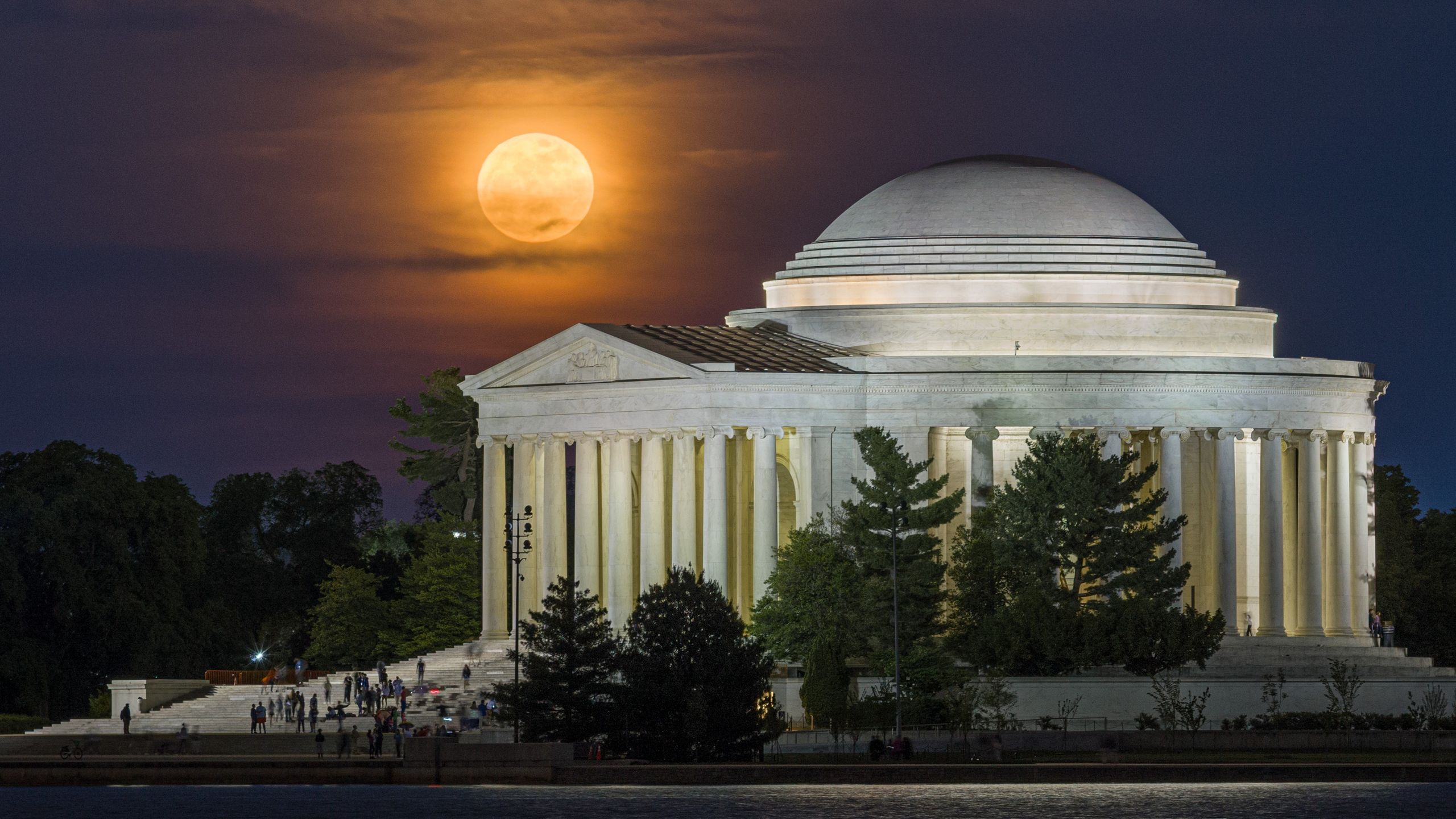
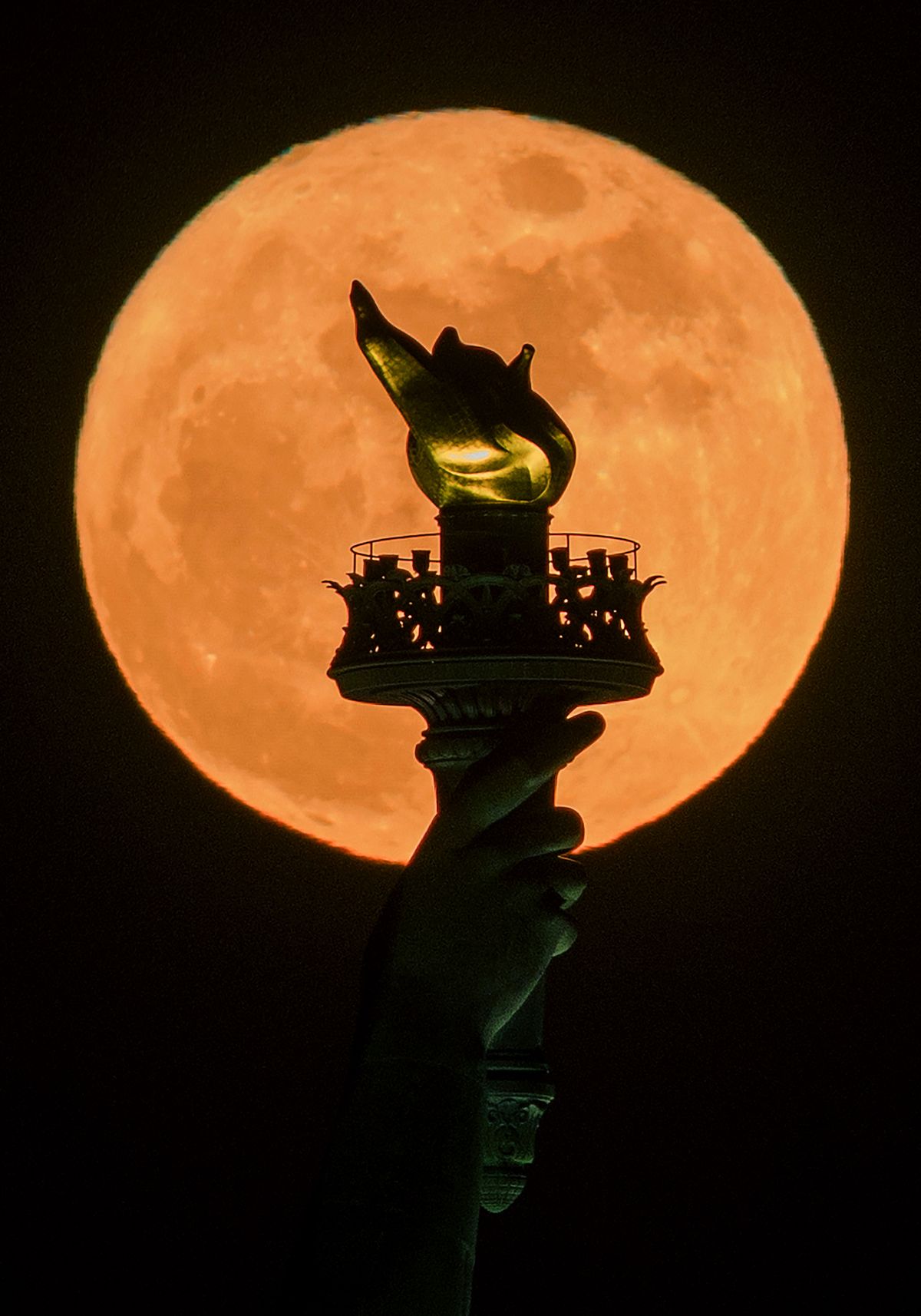
- Photographers captured the Flower Moon over landmarks including the Statue of Liberty and Erbil, Iraq.
A Month of Two Full Moons
May 2026 offers a rare celestial double feature: two full moons in a single month. The first, known as the Flower Moon, reached peak fullness at 1:23 p.m. ET on May 1, according to astronomer Catherine Pilachowski. The second, a Blue Moon, will peak at 4:45 a.m. ET on May 31, marking the first Blue Moon in two years. The occurrence of two full moons in one month is a calendrical quirk that happens seven times every 19 years.on, appearing about 6% to 7% smaller than the average full moon and 12% to 14% smaller than a supermoon, Pilachowski said.
The Flower Moon's Peak and Viewing
The Flower Moon appeared full to the naked eye from the night of April 30 through May 2, though its precise peak occurred during daylight hours in the Americas. “There’s a moment on May 1 where the moon will be at its fullest in the moment, but 24 hours before and 24 hours later, to the human eye it’s going to look full,” said Noah Petro, project scientist for the Artemis III mission. Skywatchers were advised to look east at sunset on May 1, where the moon would rise low, reach its highest point around midnight, and set low in the west before sunrise on May 2. Petro recommended avoiding bright streetlights, tall buildings and trees for the best view.
Global Photographs Capture the Flower Moon
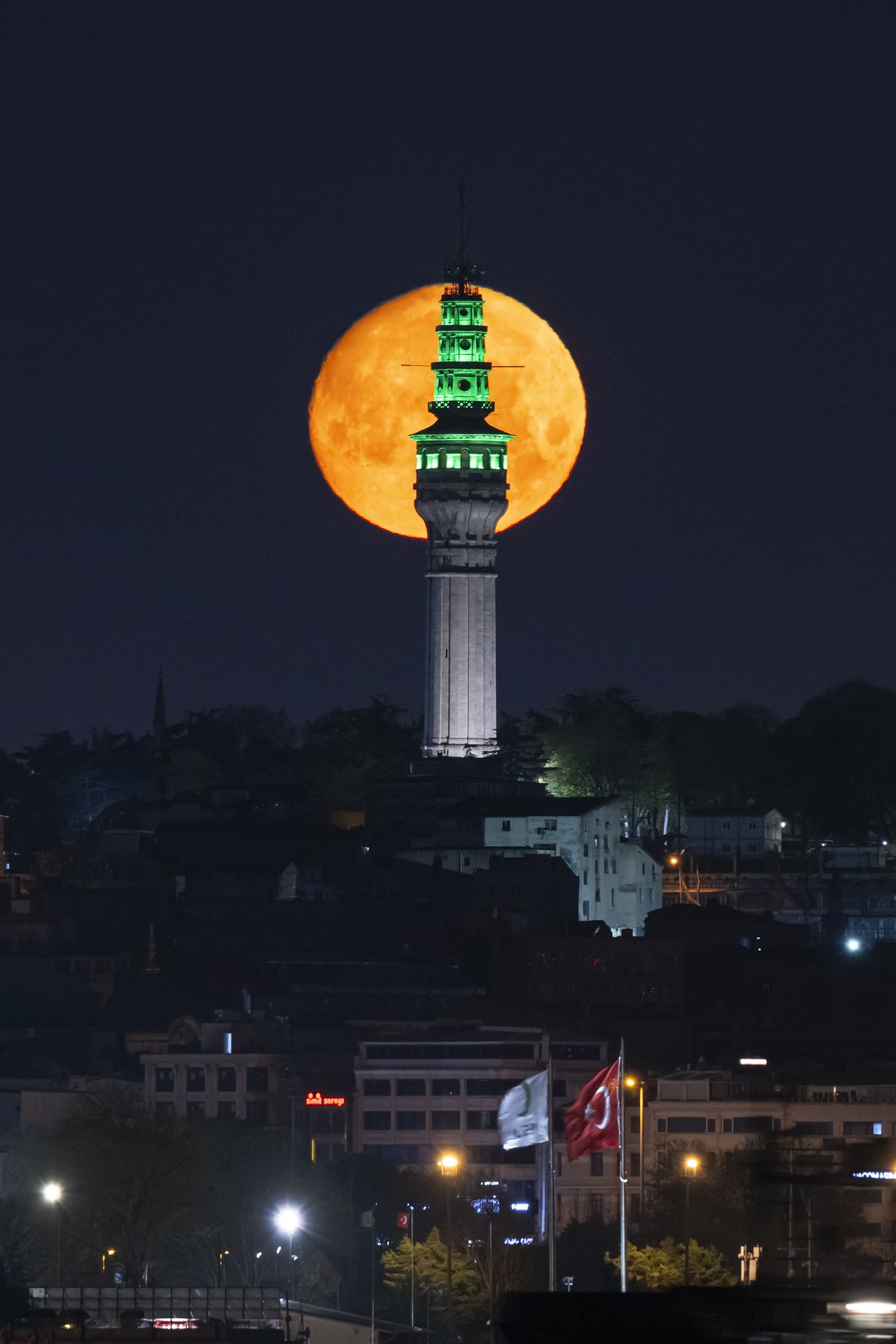
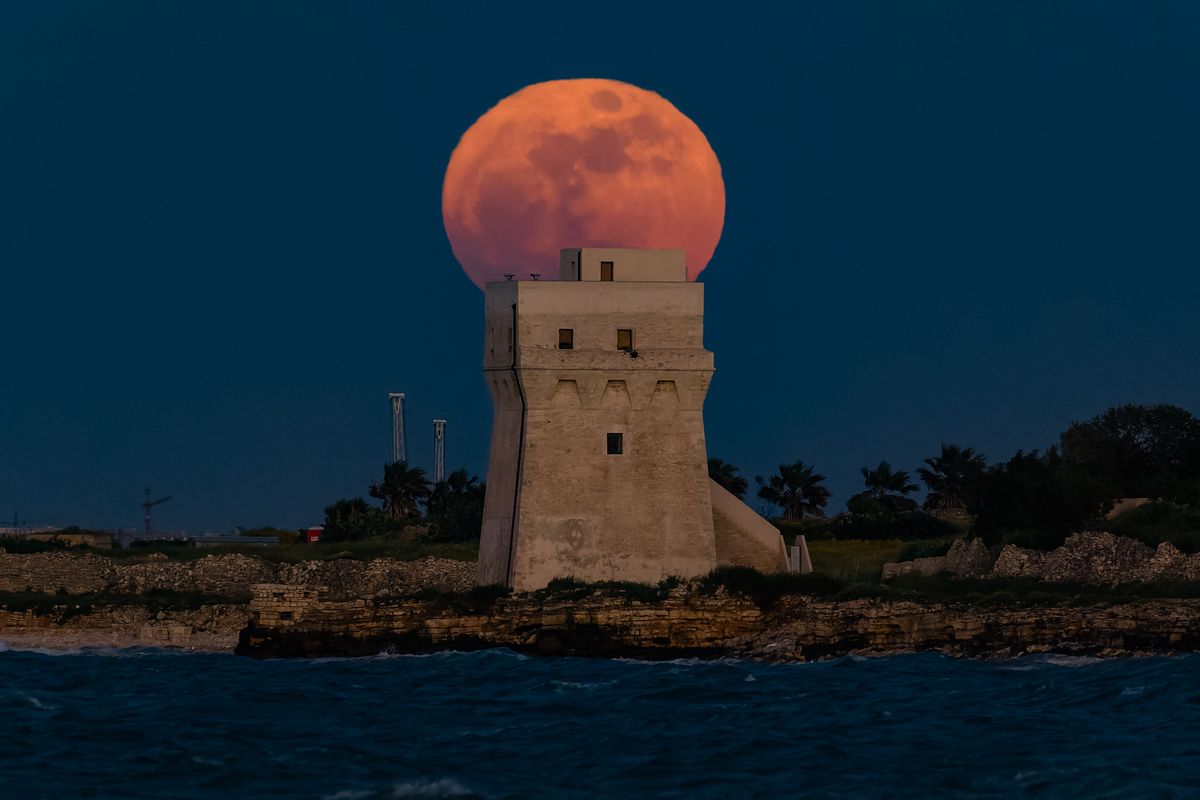
Photographers around the world captured stunning images of the Flower Moon as it rose behind iconic landmarks and natural landscapes. In New York, Lokman Vural photographed the moon rising through the skyscraper-lined 42nd Street, a location where the sun will set perfectly during Manhattanhenge on May 29 and July 11, according to the American Museum of Natural History. Gary Hershorn captured the moon appearing to halo the Statue of Liberty from a perfect vantage point, with Mare Crisium, or the Sea of Crises, peaking above the monument's crown. In Istanbul, Isa Terli snapped the moon glowing behind the Beyazit Fire Tower, while Ahsan Mohammed Ahmed Ahmed photographed the crimson-hued lunar disk rising over mountains near Erbil, Iraq. Other images included the moon above Torre Calderina in Molfetta, Italy, a statue of Lord Buddha in Lucknow, India, and skyscrapers in Warsaw, Poland.
Cultural and Astronomical Significance
The Flower Moon's name derives from the Comanche tribe, reflecting the blooming of wildflowers across North America, especially in the Great Plains. Other Indigenous tribes have their own names: the Potawatomi and Shawnee call it the strawberry moon, the Choctaw and Creek the mulberry moon, and the Tlingit the “moon before pregnancy.” The Old Farmer's Almanac attributes the term to the Algonquin peoples, with additional names including Budding Moon, Frog Moon, and Planting Moon. The first full moon of May also fell on May Day, the halfway point between the March equinox and the June solstice, marking the beginning of spring and summer in the Northern Hemisphere. In India, the date coincided with Buddha Purnima, commemorating the birth, enlightenment and death of Gautama Buddha.
Micromoons and the Blue Moon
Both full moons in May are micromoons, occurring when the moon reaches apogee — its greatest distance from Earth. The moon will be 249,180 miles (401,017 kilometers) away, compared to its average distance of 238,855 miles (384,399 kilometers).ller than usual. The Blue Moon on May 31 will be the second full moon of the month, a calendrical blue moon. It will peak before sunrise, with optimal viewing late on May 30 and in the early hours of May 31. Pilachowski noted that the Blue Moon will appear about 6% to 7% smaller than the average full moon and 12% to 14% smaller than a supermoon.
What Comes Next
With the Flower Moon now past, skywatchers can look forward to the Blue Moon on May 31. Petro encouraged patience: “It’s going to rise right around sunset, so just have a little bit of patience and you’ll be treated to the spectacular view.” The Blue Moon will be the second in a series of three micromoons. After May, the next notable lunar event will be the June full moon, which the Tlingit call the birth moon. For now, the rare occurrence of two full moons in one month offers a reminder of the rhythms of the cosmos and the cultural traditions that mark them.
The bottom line
- May 2026 features two full moons: the Flower Moon on May 1 and a Blue Moon on May 31.
- Both are micromoons, with the moon at apogee 249,180 miles from Earth.
- The Flower Moon's name comes from the Comanche tribe, with various Indigenous names reflecting seasonal changes.
- Photographers worldwide captured the Flower Moon over landmarks including the Statue of Liberty and Erbil, Iraq.
- The Blue Moon is a calendrical rarity, occurring seven times every 19 years.
- Skywatchers are advised to view the Blue Moon late on May 30 and early May 31 for the best experience.


عاصفة تهدد قمة الليجا: تحذير برتقالي في بامبلونا قبل مواجهة برشلونة وأوساسونا

Villarreal Crush Levante 5-1 to Secure Champions League Qualification

أودينيزي يهزم تورينو بهدفين ويقترب من إنهاء الموسم ضمن العشرة الأوائل