Hantavirus Outbreak on MV Hondius Cruise Ship Claims Three Lives
World Health Organization investigates rare human-to-human transmission as vessel docks in Spain.
JORDAN —
Key facts
- Three passengers have died aboard the MV Hondius since its voyage began.
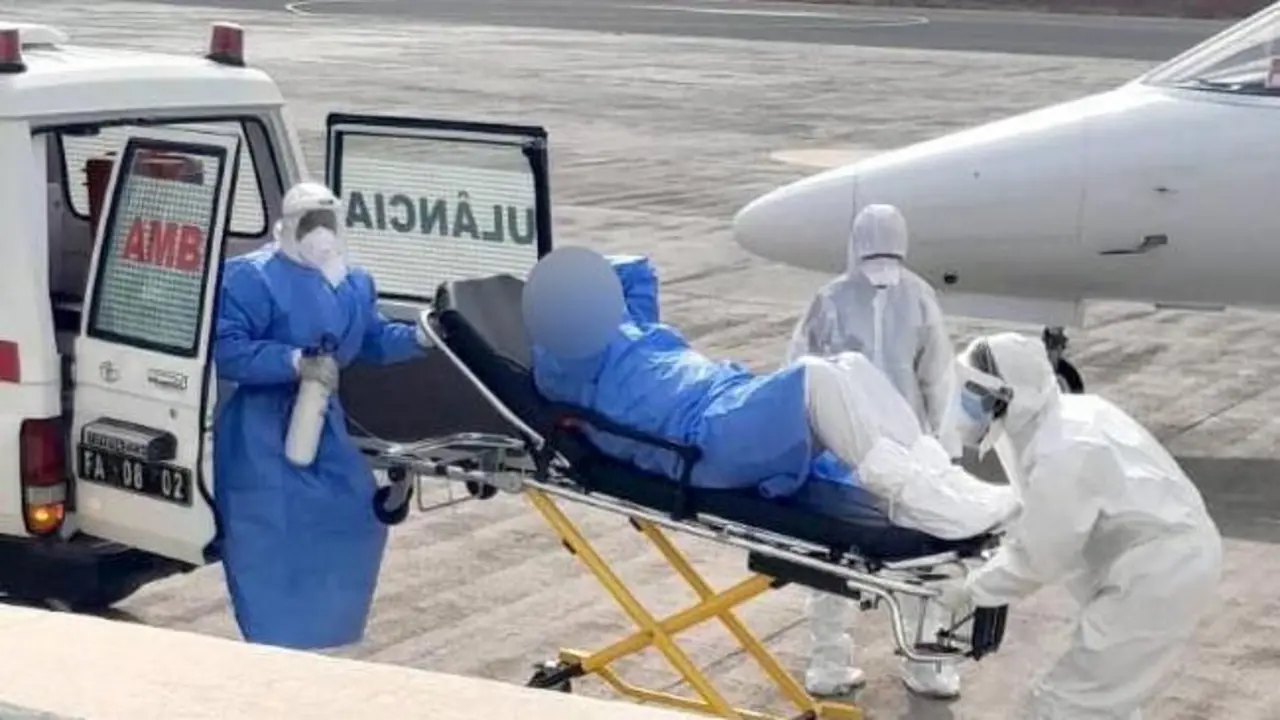
- Hantavirus infection was confirmed in one patient in intensive care.
- Seven cases, two confirmed and five suspected, have been identified.
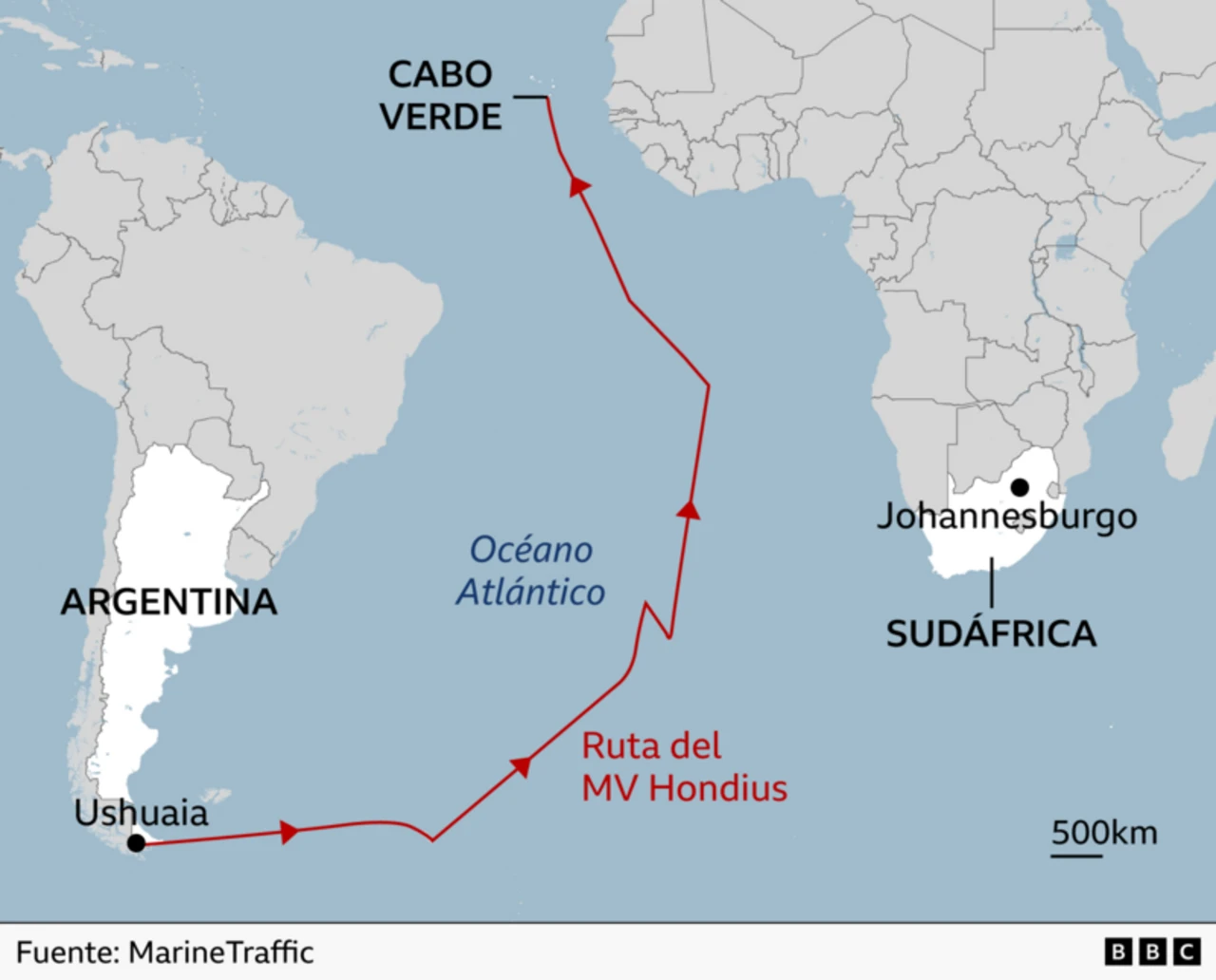
- The ship departed Ushuaia, Argentina, on April 1.
- The vessel was en route to the Canary Islands, Spain, by May 6.
- The World Health Organization is investigating the outbreak.
- An Andean strain of hantavirus has been identified.
Rare Hantavirus Cases Emerge on South Atlantic Cruise
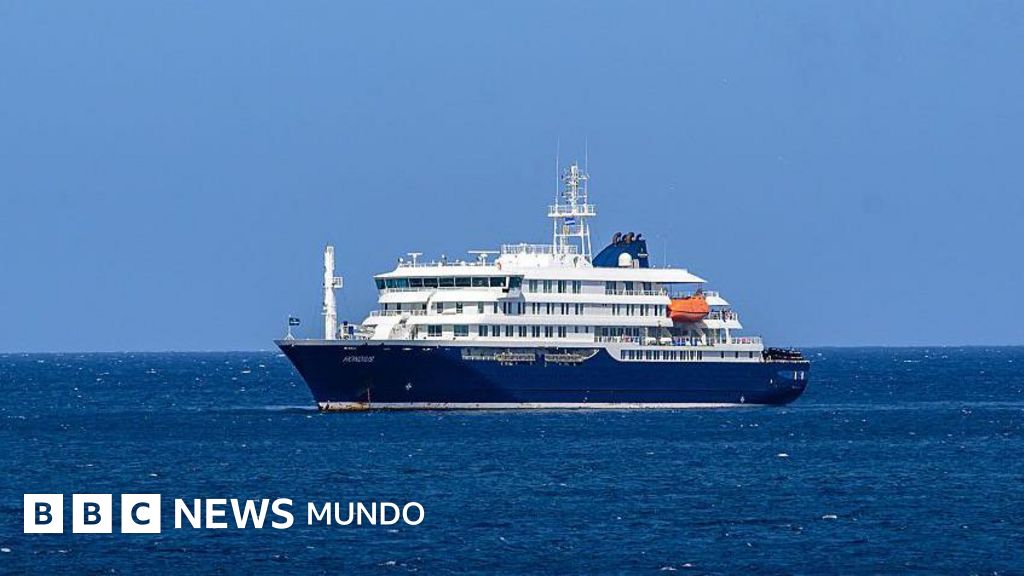
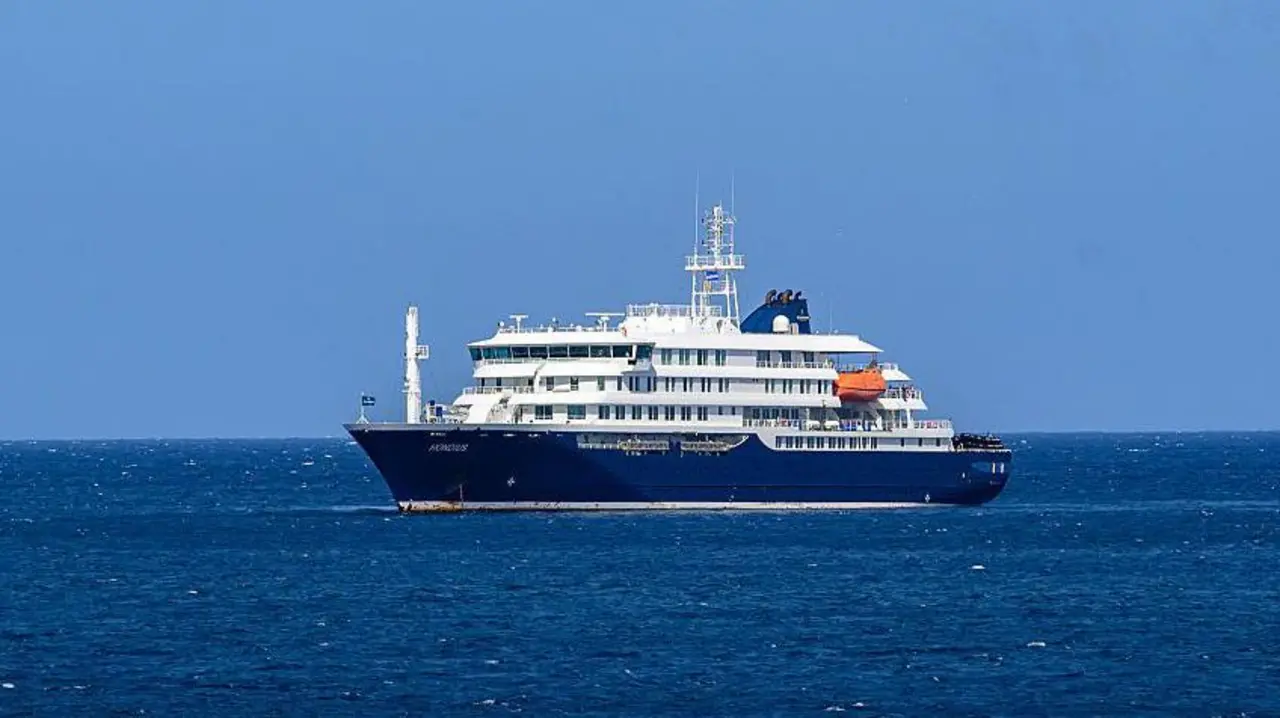
A rare outbreak of hantavirus has claimed the lives of three passengers aboard the Dutch-flagged vessel MV Hondius, prompting an investigation by the World Health Organization (WHO). The ship, which embarked on a journey from Ushuaia, Argentina, on April 1 with 174 individuals on board, has been traversing remote regions of the South Atlantic, including Antarctica, South Georgia, Tristan da Cunha, Saint Helena, and Ascension Island. The first official notification to the WHO regarding severe acute respiratory illness cases on the ship came on May 2. Later that same day, laboratory tests conducted in South Africa confirmed hantavirus infection in one patient admitted to intensive care. This cluster of infections marks a concerning development, particularly given the potential for human-to-human transmission of certain hantavirus strains. The WHO has classified the risk to the general public as low and is not recommending travel restrictions at this time.
Identifying the Deadly Pathogen
As of Wednesday, a total of seven cases have been identified among those on board the MV Hondius. Two of these cases have been confirmed by laboratory analysis, while the remaining five are classified as suspected. Among the three fatalities, one was a Dutch woman whose diagnosis of hantavirus was confirmed. The exact causes of the other two deaths are still under investigation, though they occurred within the context of the ongoing outbreak. Authorities have identified the specific strain involved as the Andean strain of hantavirus, a type known to be capable of human-to-human transmission, adding a layer of complexity to the unfolding health crisis at sea.
Navigating International Waters and Health Protocols
The vessel had been anchored near Cape Verde until May 6, when it resumed its voyage. Local authorities in Cape Verde indicated that the nation lacked the necessary infrastructure to manage the full scope of the required sanitary and medical operations. In a move guided by international law and humanitarian principles, Spain's Ministry of Health announced that it would receive the MV Hondius in the Canary Islands over the upcoming weekend. This decision follows diplomatic engagements to ensure the safe disembarkation and medical attention for those on board. The ship's itinerary had included extensive travel through isolated territories, raising questions about the initial point of infection and the timeline of the outbreak's progression before it was officially reported.
Cruise Ship Environments and Pathogen Spread
While cruise ships, with their enclosed spaces and high passenger density, can theoretically facilitate the spread of pathogens, instances of hantavirus transmission on such voyages are considered unusual. Specialists in infectious diseases emphasize that the risk typically depends on the specific virus and the environmental conditions. Hantaviruses are a group of viruses spread mainly by rodents. While most transmissions occur through contact with rodent excreta, some strains, like the Andean strain identified here, can spread from person to person through direct contact with infectious bodily fluids. The investigation will likely focus on understanding the specific transmission dynamics on the MV Hondius, including environmental factors and potential human-to-human contact pathways, to better assess and contain the spread of the virus.
Global Health Response and Future Implications
The WHO's involvement underscores the seriousness with which this rare event is being treated. Their investigation aims to clarify the transmission routes and provide guidance to prevent future occurrences. The docking in the Canary Islands presents a critical juncture, allowing for medical evaluation, containment, and further diagnostic testing of passengers and crew. The response will be closely watched by international health bodies and the travel industry. As the MV Hondius reaches its destination, the focus shifts to managing the immediate health crisis and drawing lessons from this outbreak to bolster protocols for infectious disease management in maritime travel.
The bottom line
- Three individuals have died on the MV Hondius due to a confirmed hantavirus outbreak.
- The World Health Organization is investigating the possibility of rare human-to-human transmission.
- Seven cases, including two confirmed and five suspected, have been identified on the ship.
- An Andean strain of hantavirus, known for human-to-human transmission, has been identified.
- The vessel, which departed Argentina on April 1, is expected to dock in Spain's Canary Islands.
- Health authorities are managing the situation under international humanitarian principles.



آرسنال يبلغ نهائي دوري أبطال أوروبا بعد 20 عاماً

الحسين والفيصلي.. مواجهة الحسم في ختام دوري المحترفين

أمريكا تستعد لتشغيل "بوينغ 747" مهداة من قطر قبل عيد الاستقلال
