Hantavirus outbreak on Atlantic cruise ship kills three, WHO confirms
At least one confirmed case and five suspected infections have been linked to the m/v Hondius, operated by Oceanwide Expeditions, with one passenger in intensive care in South Africa.
JAPAN —
Key facts
- WHO confirmed one hantavirus case and five suspected cases on the cruise ship m/v Hondius.
- Three passengers have died; one passenger is in intensive care in Johannesburg.
- Two crew members require urgent medical attention aboard the ship.
- The ship is operated by Oceanwide Expeditions and was off Cape Verde as of May 3.
- The voyage 'Atlantic Odyssey incl. Antarctic Peninsula to Cape Verde' departed Ushuaia, Argentina on March 20.
- The ship has capacity for 170 passengers and 80 cabins.
- Cape Verde authorities had not yet granted permission for disembarkation or medical screening as of May 3 at 23:00 CET.
- Hantavirus is a rodent-borne virus that can cause severe respiratory disease.
A deadly voyage across the Atlantic
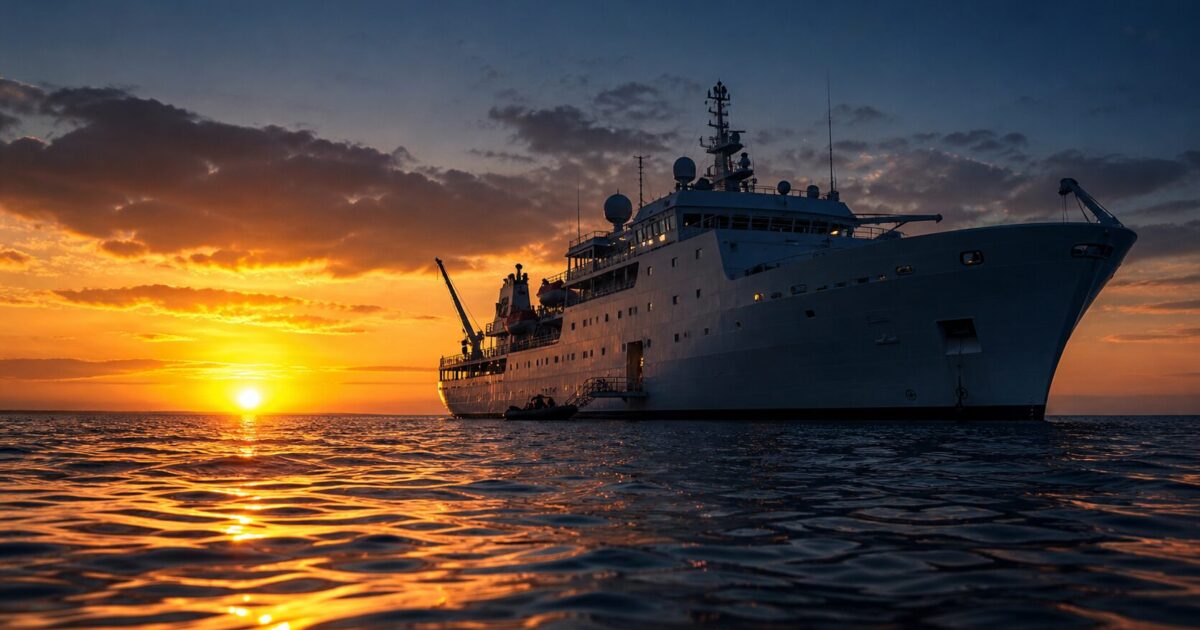
A rare hantavirus outbreak has struck the cruise ship m/v Hondius as it sails across the Atlantic, leaving three passengers dead and at least one person fighting for life in a South African hospital. The World Health Organization confirmed one laboratory-verified case of hantavirus infection and five suspected cases among six individuals linked to the vessel. The ship, operated by the polar expedition company Oceanwide Expeditions, was off the coast of Cape Verde on May 3 when the company disclosed what it called a 'serious medical situation.' One passenger is receiving intensive care in Johannesburg, while two crew members aboard the ship require emergency medical attention.
WHO and authorities scramble to respond
The WHO, the Dutch National Institute for Public Health and the Environment (RIVM), relevant embassies, and the Dutch Ministry of Foreign Affairs are coordinating with Oceanwide Expeditions. As of 23:00 CET on May 3, Cape Verde authorities had not yet authorized the disembarkation of those needing medical care or provided assistance with medical screening. The company stated that it is working closely with these organizations to manage the crisis. The focus is now on additional test results, decisions about disembarkation and transport, and epidemiological investigations.
The ship and its ill-fated itinerary
The m/v Hondius, which can accommodate 170 passengers in 80 cabins, embarked on a voyage titled 'Atlantic Odyssey incl. Antarctic Peninsula to Cape Verde' on March 20 from Ushuaia, Argentina. The itinerary was scheduled to conclude on May 4 in Cape Verde. Oceanwide Expeditions confirmed that the ship was off Cape Verde on May 3. The company has not released details on the nationalities or ages of the deceased, the passenger in intensive care, or the two crew members requiring urgent care.
Hantavirus: a rare but severe threat
Hantavirus is a rodent-borne virus that can cause severe respiratory disease in humans. The source of the infection in this outbreak remains unclear—whether it originated from rodents aboard the ship, was contracted before boarding, or spread among passengers and crew has not been determined. Hantavirus infections are rare, especially in maritime settings, making this outbreak particularly unusual. The virus is not typically associated with cruise ships, and the circumstances of this cluster are under investigation.
Unanswered questions and next steps
Many details remain unknown. The full identities and backgrounds of the six affected individuals have not been released. The primary questions now are: what additional test results will show, when and how the sick individuals will be disembarked and transported, and what the epidemiological investigation will reveal about the chain of transmission. Oceanwide Expeditions has not indicated whether the ship will continue its voyage or be quarantined. The company continues to update the public as the situation evolves.
A stark reminder of infectious disease risks at sea
This outbreak underscores the vulnerability of closed environments like cruise ships to infectious diseases, even rare ones. The m/v Hondius, designed for polar expeditions, now finds itself at the center of a public health crisis far from its usual icy routes. The international response, involving multiple governments and health agencies, highlights the complexities of managing a medical emergency on a vessel in international waters. As the world watches, the fate of those aboard and the lessons learned will shape future protocols for maritime health emergencies.
The bottom line
- Three passengers died and one is in intensive care from a hantavirus outbreak on the cruise ship m/v Hondius.
- WHO confirmed one case and five suspected cases; two crew members need urgent medical attention.
- The ship was off Cape Verde as of May 3, awaiting permission for disembarkation.
- The source of the virus—whether from rodents on board or pre-boarding infection—is unknown.
- International coordination involves WHO, RIVM, embassies, and the Dutch foreign ministry.
- The outbreak raises questions about disease surveillance and response on cruise ships in remote waters.

AAA Study Finds Electric Vehicles Lose 39% of Range in Cold Weather, Hybrids Also Hit Hard
Reaves Returns but Lakers Fall 99-93, Miss Chance to Close Out Rockets

Apex Legends Season 29 'Overclocked' Launches May 6 with New Legend 'Axel' and Revamped Respawn System
