Airtel Kenya Launches Xtreme Fibre, Targets Safaricom's Fixed-Broadband Lead with Free Installs and Lower Prices
The second-largest telecoms operator is rolling out fibre-to-the-building in Nairobi, waiving installation fees and undercutting rivals on price to gain a foothold in a market where Safaricom holds 34.9% of subscriptions.
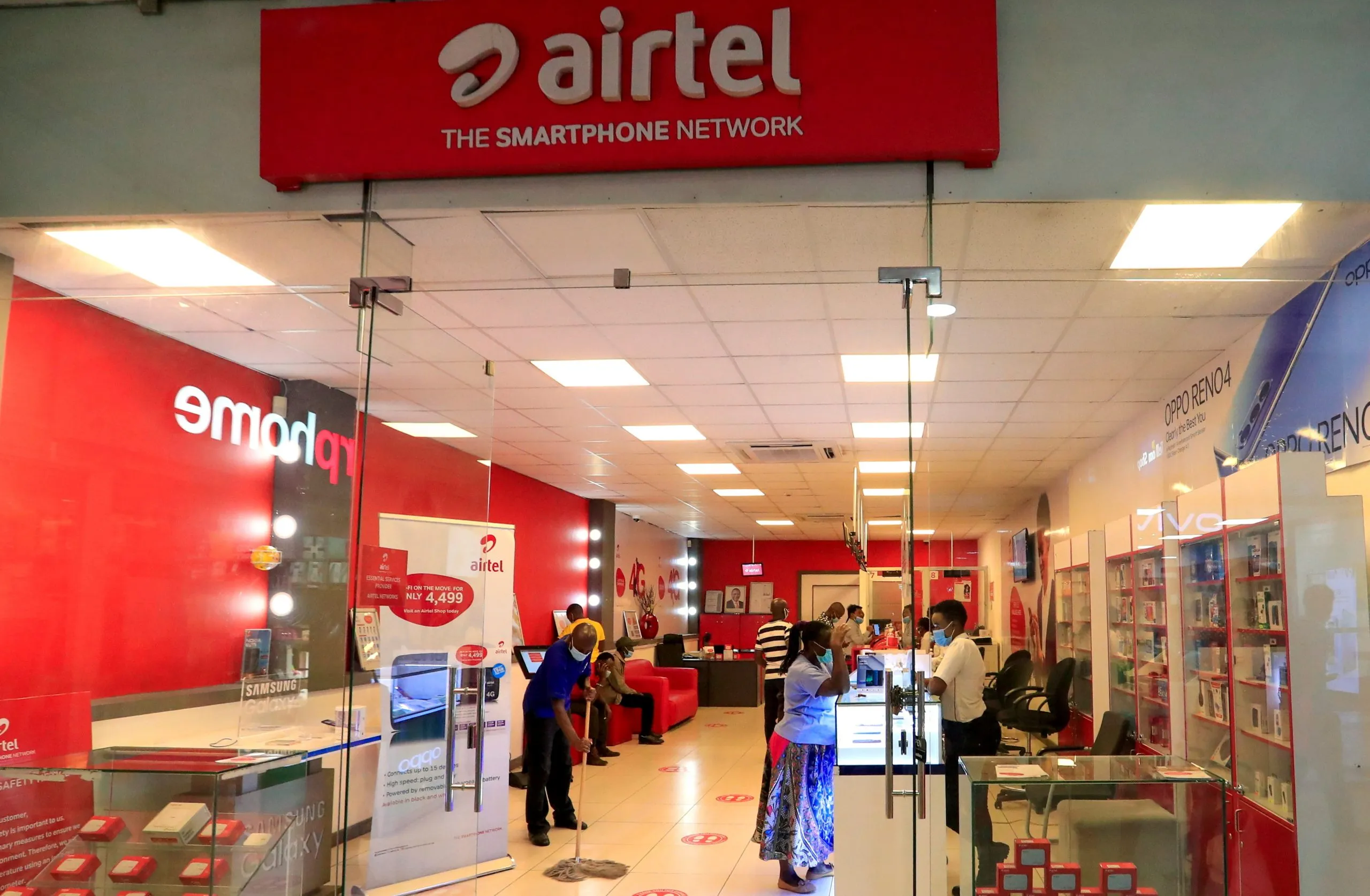
KENYA —
Key facts
- Airtel Kenya has begun commercial rollout of Xtreme Fibre in Nairobi and other towns.
- Over 400 buildings in Nairobi are already connected, with installation fees waived for residential and business users.
- Airtel uses fibre-to-the-building architecture, reducing rollout costs but shifting last-mile quality to in-building infrastructure.
- 15 Mbps plan priced at KES 2,000 ($15.45); 100 Mbps at KES 5,000 ($39).
- Safaricom leads fixed internet with 34.9% market share, followed by Jamii Telecom (20.1%), Wananchi Group (11.1%), Poa Internet (10.7%), Ahadi Wireless (9.0%).
- Airtel is not among top fixed-broadband operators, so gains will come from taking share.
- Airtel is also revising its wireless 5G offer, shifting to an outdoor receiver with indoor router at no upfront cost.
Airtel Kenya Enters Fixed Broadband with Aggressive Pricing
Airtel Kenya, the country’s second-largest telecoms operator, has begun a commercial rollout of its Xtreme Fibre service across parts of Nairobi and other towns, moving beyond pilot phases into a market still dominated by Safaricom. More than 400 buildings in Nairobi are already connected, according to one Airtel agent, with installation fees waived for both residential and business users to lower switching costs. The push marks Airtel’s first concerted attempt to scale in fixed broadband, relying on aggressive pricing and zero-cost onboarding to penetrate dense urban estates where demand is concentrated.
Fibre-to-the-Building Model Lowers Costs but Shifts Last-Mile Responsibility
Airtel’s model is built on fibre-to-the-building, in which a single connection serves an entire apartment block, rather than the fibre-to-the-home approach favoured by incumbents. That architecture reduces rollout costs and accelerates coverage, but shifts the quality of the last-mile connection to in-building infrastructure. Airtel is betting that lower prices and faster installation can prise customers away from established providers in a market where Safaricom accounts for 34.9% of subscriptions and rivals remain fragmented.
Pricing Undercuts Incumbents as Airtel Targets Multi-Dwelling Units
Airtel’s pricing lands below many comparable plans, with 15 Mbps at KES 2,000 ($15.45) and 100 Mbps at KES 5,000 ($39), compressing the range where incumbents have priced for margin. The company is focusing on multi-dwelling units to secure volume per building, rather than chasing single-home installs that are slower and costlier to serve. Safaricom leads the fixed internet market with a 34.9% market share, followed by Jamii Telecommunications at 20.1% and Wananchi Group at 11.1%. Poa Internet and Ahadi Wireless hold 10.7% and 9.0% respectively. Airtel is not yet among the top operators, which means gains will come from taking share, not defending it.
Wireless 5G Overhaul Underway to Address Indoor Performance Complaints
Alongside fibre, Airtel is revising its wireless offer after complaints about indoor 5G performance. It is shifting to an outdoor receiver paired with an indoor router, supplied at no upfront cost, to stabilise speeds where fibre is not yet available. This dual approach — fibre in dense urban areas and improved wireless elsewhere — reflects Airtel’s strategy to cover multiple segments while keeping upfront costs low for customers.
Scaling Beyond 400 Buildings Depends on Last-Mile Rollout and Landlord Agreements
Scaling beyond a few hundred buildings depends on last-mile rollout and landlord agreements, areas where incumbents are entrenched. Airtel’s fibre-to-the-building model requires cooperation from building owners, who control in-building wiring and access. While the zero-installation-fee offer lowers the barrier for tenants, the operator must still negotiate with landlords and property managers, a process that can slow expansion.
Market Share Battle Intensifies as Airtel Seeks to Disrupt Fixed Broadband
Airtel’s entry into fixed broadband comes at a time when Safaricom’s dominance is challenged by smaller players like Jamii Telecom and Wananchi Group, but the market remains concentrated. By undercutting on price and waiving installation fees, Airtel aims to attract price-sensitive customers in multi-dwelling units, where volume can offset thinner margins. However, the operator faces an uphill battle: it starts from zero in fixed broadband, and incumbents have existing relationships with landlords and established infrastructure.
Outlook: Airtel’s Fixed Broadband Ambition Hinges on Execution and Landlord Access
Airtel’s success in fixed broadband will depend on how quickly it can sign up buildings and deliver reliable service over in-building networks that it does not control. The company’s aggressive pricing and free installation are designed to drive rapid adoption, but sustaining quality of service will be critical to retaining customers. If Airtel can replicate its mobile-market agility in fixed broadband, it could reshape a segment long dominated by Safaricom — but the path is littered with logistical hurdles and entrenched competition.
The bottom line
- Airtel Kenya has launched Xtreme Fibre commercially, connecting over 400 buildings in Nairobi with free installation.
- The operator uses fibre-to-the-building architecture, which lowers rollout costs but relies on in-building infrastructure quality.
- Pricing starts at KES 2,000 ($15.45) for 15 Mbps and KES 5,000 ($39) for 100 Mbps, undercutting many incumbent plans.
- Safaricom leads the fixed broadband market with 34.9% share; Airtel starts from zero and must take share from competitors.
- Airtel is also revamping its wireless 5G service with an outdoor receiver and indoor router at no upfront cost to address indoor performance issues.
- Scaling beyond initial buildings requires last-mile rollout and landlord agreements, where incumbents have strong footholds.


Ismaila Sarr Scores After 21 Seconds as Crystal Palace Beat Shakhtar Donetsk 3-1 in Conference League Semi-Final First Leg

Kenya Confirms Civil Service Pay Rise from July 2026 as New CBA Nears Completion

Alemao's Header Gives Rayo Vallecano Slim Lead Over Strasbourg in Europa Conference League Semi-Final