Kenya's Energy Regulator Ends Power Monopoly, Unveils New Market Rules
The Energy and Petroleum Regulatory Authority has introduced sweeping changes to liberalize the electricity market and modernize the sector.

KENYA —
Key facts
- EPRA has ended Kenya Power's decades-long electricity market monopoly.
- New regulations allow power producers to sell electricity directly to large consumers.
- Generators must pay wheeling charges to Kenya Power and KETRACO for grid access.
- Net-metering regulations allow households and businesses to sell surplus renewable energy to the grid.
- New rules mandate provisions for solar water heating systems in new buildings.
- Energy efficiency is now a central business strategy for large energy consumers.
- Thirteen new regulations have been rolled out across electricity, renewable energy, and petroleum sectors.
A New Dawn for Kenya's Energy Landscape
Kenya's energy and petroleum sectors are entering a transformative period as the Energy and Petroleum Regulatory Authority (EPRA) rolls out a suite of thirteen newly gazetted regulations. These comprehensive reforms, introduced over the past year, are poised to modernize the industry, bolster safety standards, and cultivate a more attractive environment for domestic and international investment. The overarching aim is to ensure Kenya's energy systems are not only resilient and efficient but also inclusive, aligning with national development goals and international commitments. These sweeping changes signal a significant departure from the established order, particularly in the electricity market, where the decades-long monopoly of the Kenya Power and Lighting Company (KPLC) has been dismantled. The new framework is designed to foster competition and provide consumers with greater choice, marking a pivotal moment for the nation's energy future. The regulations span the electricity, renewable energy, and petroleum sub-sectors, reflecting EPRA's dedication to harmonizing industry practices with the foundational Energy Act and the Petroleum Act. This broad approach underscores a commitment to a holistic modernization of the nation's energy infrastructure and operations.
Liberalizing the Electricity Market
At the heart of the reforms is the end of Kenya Power's exclusive control over the electricity market. The Energy (Electricity Market, Bulk Supply and Open Access) Regulations of 2026 empower independent power producers (IPPs) to sell electricity directly to large consumers. This move, despite a World Bank warning against such a liberalization, enables generators to compete directly with KPLC. Under this new structure, power producers can supply electricity to major users without requiring existing power purchase agreements with KPLC. In exchange for utilizing the national transmission and distribution networks, these generators will be obligated to pay access fees, known as wheeling charges, to both Kenya Power and the Kenya Electricity Transmission Company (KETRACO). While the intention is to foster competition, concerns have been raised that wealthier consumers might face higher per-unit electricity costs. Stephen Mutoro, secretary general of the Consumers Federation of Kenya, anticipates that KenGen will be a primary beneficiary of these changes, but cautioned that consumers may not necessarily see lower charges despite the end of KPLC's dominance.
Driving Renewable Energy and Efficiency
Beyond market liberalization, the new regulations champion the adoption of clean energy and enhanced efficiency. The Energy (Net-Metering) Regulations, 2024, represent a significant stride, allowing households and businesses that generate their own renewable energy, such as solar or wind power, to feed surplus electricity back into the national grid. Participants will receive credits on their electricity bills for this contribution, a move EPRA Director General Daniel Kiptoo described as a "game changer" that opens avenues for small-scale investors and supports Kenya's low-carbon transition. Furthermore, the Energy (Solar Water Heating) Regulations, 2025, establish clear standards for the installation and maintenance of solar water heating systems. A key provision mandates that new buildings must incorporate provisions for solar systems, with county governments empowered to decide on mandatory installations. This initiative is expected to reduce reliance on electricity for water heating, thereby lowering consumer costs and stimulating growth within the solar market. The Energy (Energy Management) Regulations, 2025, embed energy efficiency as a core business strategy for large energy consumers. These regulations institutionalize structured energy management practices and mandate regular performance reviews, fostering innovation, accountability, and the creation of green jobs. EPRA has also bolstered the licensing of energy auditors and managers, introduced performance benchmarks, and created new opportunities for energy service companies to facilitate the financing of energy-saving projects.
Broader Sectoral Modernization
The regulatory overhaul extends to the petroleum sector, with new rules gazetted between March and May 2025 covering critical areas such as importation, business licensing, road transportation, common user facilities, information and statistics, lubricants, retail dispensing sites, liquefied petroleum gas, and product quality management. These measures are intended to ensure the safe and efficient operation of Kenya's petroleum sector, contributing to economic growth and development. EPRA Director General Daniel Kiptoo emphasized that these regulations are more than just compliance tools. He stated they are strategic instruments designed to facilitate more effective planning for Kenya's escalating energy demand, align sector priorities with national development objectives, attract new investments, and guarantee that Kenyans have access to reliable, affordable, and sustainable energy and petroleum products. This strategic approach is crucial given Kenya's rapid economic expansion, increasing urbanization, and industrialization. The overarching goal of these reforms is to realize Kenya's universal energy access target of 100 percent by 2030, advance the nation's commitment under the Paris Agreement to cut greenhouse gas emissions by 32 percent by the same year, and ensure a transparent, efficient, and sustainable energy and petroleum sector.
Implications and Public Engagement
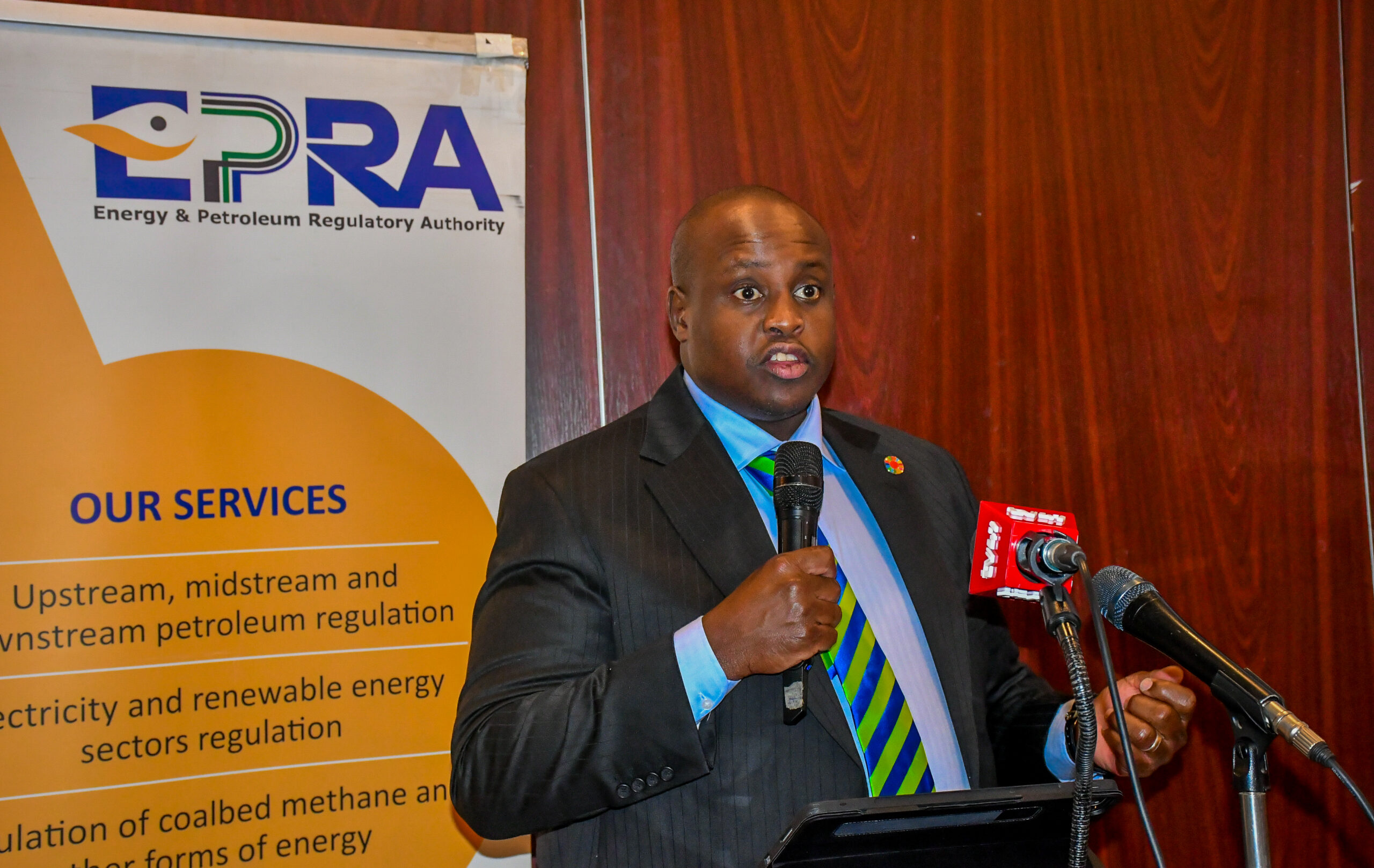
EPRA has organized a media roundtable to elucidate the implications of these newly gazetted regulations. This forum is intended to provide clarity on what the regulations signify for Kenya's energy sector, deepen public understanding of their provisions, and support informed reporting. It offers a direct channel for interaction with EPRA leadership and technical experts. The National Assembly's Committee on Energy had previously advocated for IPPs to be permitted to sell electricity directly to consumers and recommended that IPPs reduce their tariffs to align with rates set by the Kenya Electricity Generating Company. These proposals align with the direction EPRA has now taken, offering consumers the freedom to choose between KPLC and IPPs based on affordability. These regulatory shifts are occurring against a backdrop of broader national economic developments. Separately, the Postal Corporation of Kenya is undergoing significant restructuring to address a Sh7 billion debt, while the Matatu Owners Association is petitioning the government regarding alleged delays and non-settlement of insurance claims by three providers, highlighting a range of challenges and reform efforts across Kenya's public service sectors.
The bottom line
- Kenya's energy market has been liberalized, ending Kenya Power's long-standing monopoly.
- Independent power producers can now sell electricity directly to large consumers, paying grid access fees.
- New net-metering rules allow individuals and businesses to earn credits by feeding surplus renewable energy into the grid.
- Mandatory provisions for solar water heating in new buildings and increased focus on energy efficiency are key components of the reforms.
- The regulations aim to achieve universal energy access by 2030 and reduce greenhouse gas emissions.
- EPRA is actively engaging the public and media to explain the implications of these significant regulatory changes.




Crystal Palace Faces Shakhtar Donetsk in Crucial Conference League Tie

Kenya Revenue Authority Loses Major Tax Dispute with Nairobi County
