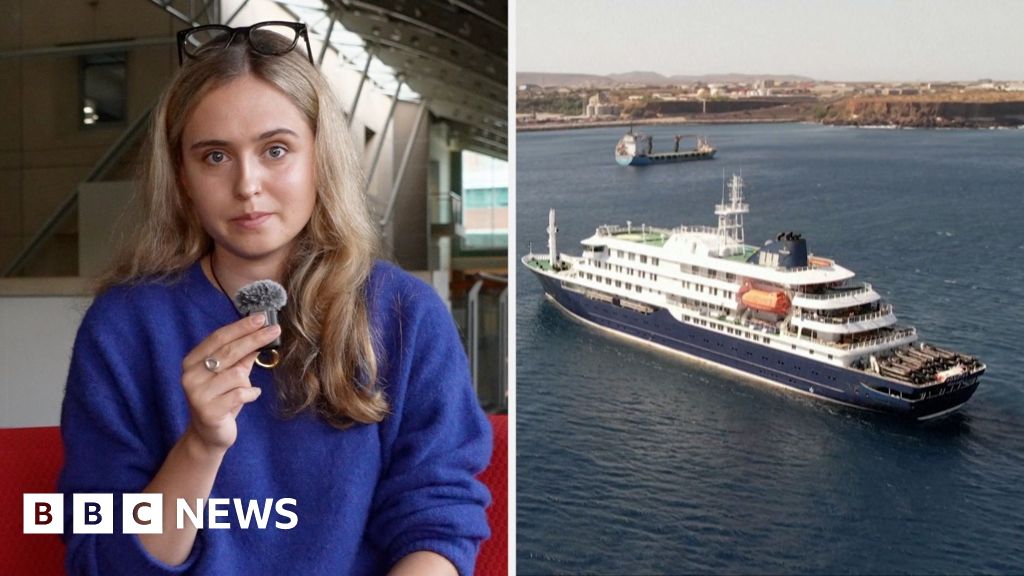
Hantavirus Outbreak on Cruise Ship Sparks Global Health Alert
Passengers evacuated and monitored across continents as deadly rodent-borne virus spreads from South American voyage.
KENYA —
Key facts
- Three passengers have died aboard the MV Hondius cruise ship.
- A British man, Martin Anstee, is among three seriously ill passengers evacuated to the Netherlands.
- Argentina, the ship's departure point, has the highest incidence of hantavirus in Latin America.
- Eight cases, including three confirmed and five suspected, have been identified among those on the ship.
- Passengers who disembarked earlier are being monitored in the US, Switzerland, and other countries.
- The Andes virus strain, found in South America, can cause severe, potentially fatal lung disease.
- The ship MV Hondius is sailing towards Spain's Canary Islands after a three-day anchorage near Cape Verde.
Cruise Ship Becomes Epicenter of Hantavirus Scare
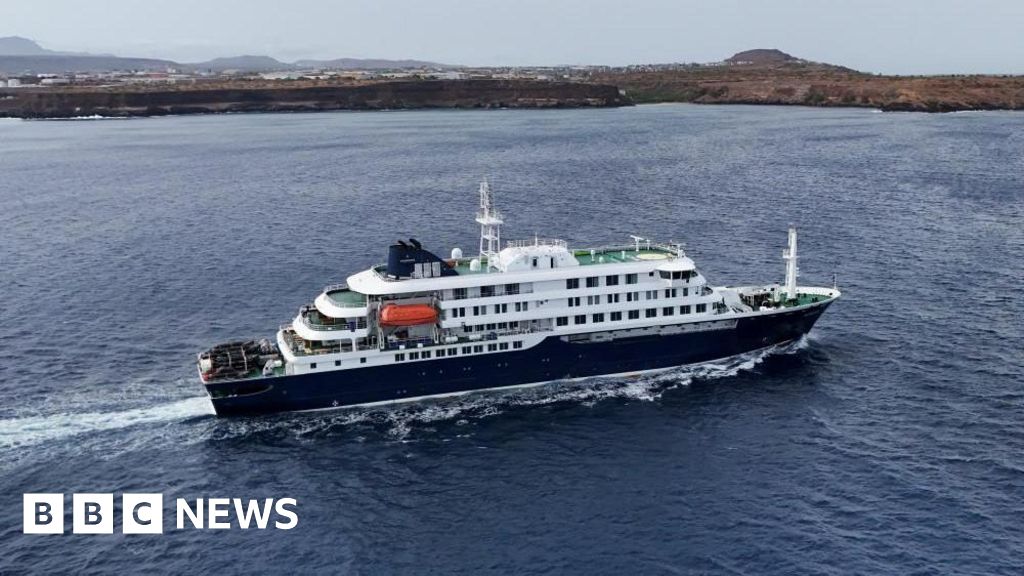
A deadly hantavirus outbreak has gripped the MV Hondius cruise ship, prompting urgent evacuations and international health monitoring. Three passengers have succumbed to the illness since the vessel departed Argentina a month ago, with several others displaying severe symptoms. The ship, carrying 146 people from 23 nations, is now navigating towards Spain's Canary Islands after a period anchored off Cape Verde. The unfolding crisis highlights the rare but potent threat of hantavirus, a disease typically transmitted by infected rodents. As passengers return to their home countries, health authorities worldwide are on high alert, scrambling to trace potential exposures and prevent further spread. The situation escalated with the evacuation of three passengers to the Netherlands for urgent medical care. Two of these individuals were in serious condition, underscoring the aggressive nature of the virus. A third passenger, experiencing stable symptoms, faced a delayed evacuation flight.
Evacuations and International Monitoring Underway
Among those evacuated to the Netherlands is a 56-year-old British former police officer, Martin Anstee, reportedly in stable condition. He joins a 41-year-old Dutch crew member and a 65-year-old German national in receiving specialized treatment. The German patient is understood to have had close contact with a woman who died on board the ship on May 2, marking the latest fatality in the growing death toll. Beyond those on board, health officials in the United States are monitoring three passengers who had disembarked prior to the full extent of the outbreak becoming apparent. Georgia's public health department confirmed two residents are under observation, while Arizona's health department is monitoring one individual, all reported to be in good health and asymptomatic. Switzerland has also confirmed a case: a man who tested positive for hantavirus after returning from the voyage. The World Health Organization (WHO) chief confirmed the patient had been informed of the health event by the ship's operator and is receiving care in Zurich.
Argentina: A Persistent Hotspot for Hantavirus
Investigators in Argentina, the departure point for the MV Hondius's journey to Antarctica, are working to pinpoint the origin of the outbreak. The World Health Organization consistently ranks Argentina as having the highest incidence of hantavirus in Latin America. This rare, rodent-borne disease, particularly the Andes virus strain prevalent in the region, can lead to hantavirus pulmonary syndrome, a severe and often fatal lung illness. Argentine health ministry data indicates a significant rise in infections, with 101 cases reported since June 2025, nearly double the previous year. The ministry stated that the Andes virus was identified in passengers aboard the MV Hondius. The disease's fatality rate in cases in the past year. Authorities in Argentina are tracing the itineraries of infected passengers before they boarded the ship in Ushuaia, a city in the country's southern tip. The goal is to identify potential sources of contamination, isolate close contacts, and implement active monitoring to curb further transmission.
Tracing the Virus: From Ship to Shore
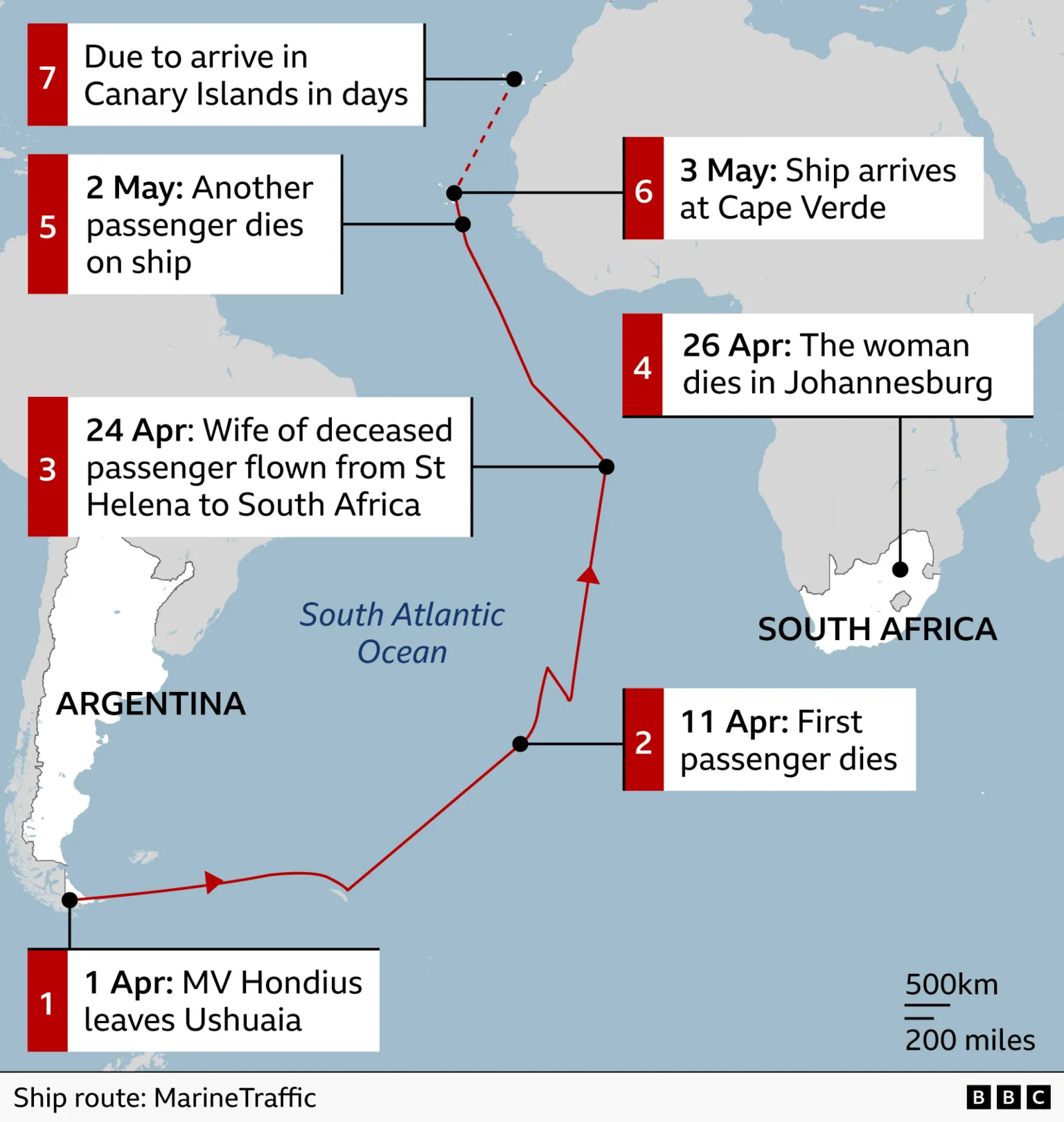
The timeline of the outbreak reveals a grim progression. The first death on board, a 70-year-old Dutch man, occurred on April 11. His body was removed from the vessel at Saint Helena nearly two weeks later. His wife, who traveled from Saint Helena to South Africa by plane, collapsed at Johannesburg airport and died on April 26. A German woman became the third passenger to die on May 2. In total, eight individuals associated with the ship have been identified with hantavirus, comprising three confirmed and five suspected cases, according to the WHO. Concerns have also been raised about 23 passengers who reportedly disembarked the MV Hondius on April 23 on the island of Saint Helena. Reports suggest these individuals returned to their respective countries, including the United States, without immediate contact from health authorities, adding another layer of complexity to containment efforts.
Understanding Hantavirus Transmission
Hantaviruses are primarily transmitted to humans through contact with the urine, droppings, or saliva of infected rodents. While human-to-human transmission is considered rare, certain strains, such as the Andes virus, have been associated with limited spread among close contacts in past outbreaks. This possibility adds a critical dimension to the ongoing investigations. Argentina is cooperating with international efforts, sharing genetic material of the Andes virus and testing equipment with Spain, Senegal, South Africa, the Netherlands, and the United Kingdom. This collaboration aims to bolster diagnostic capabilities and facilitate swift identification of the virus in affected individuals across multiple continents. The operator, Oceanwide Expeditions, stated that 146 people from 23 different countries remain aboard the MV Hondius, now sailing towards the Canary Islands. Strict precautionary measures are in place for those still on the vessel as the global health community grapples with the implications of this maritime outbreak.
The bottom line
- A hantavirus outbreak on the MV Hondius cruise ship has resulted in three confirmed deaths and multiple serious cases.
- Passengers evacuated for treatment are in the Netherlands, while others are being monitored in the US and Switzerland.
- Argentina, the ship's departure point, is a known hotspot for hantavirus, with a recent surge in infections.
- The Andes virus strain, capable of causing severe lung disease, has been identified in affected passengers.
- International cooperation is underway to share diagnostic tools and track potential exposures globally.
- The MV Hondius is continuing its voyage towards the Canary Islands under strict health protocols.


Kenya's Public Service Commission Opens 770+ Jobs Amid Warning on Fake Documents
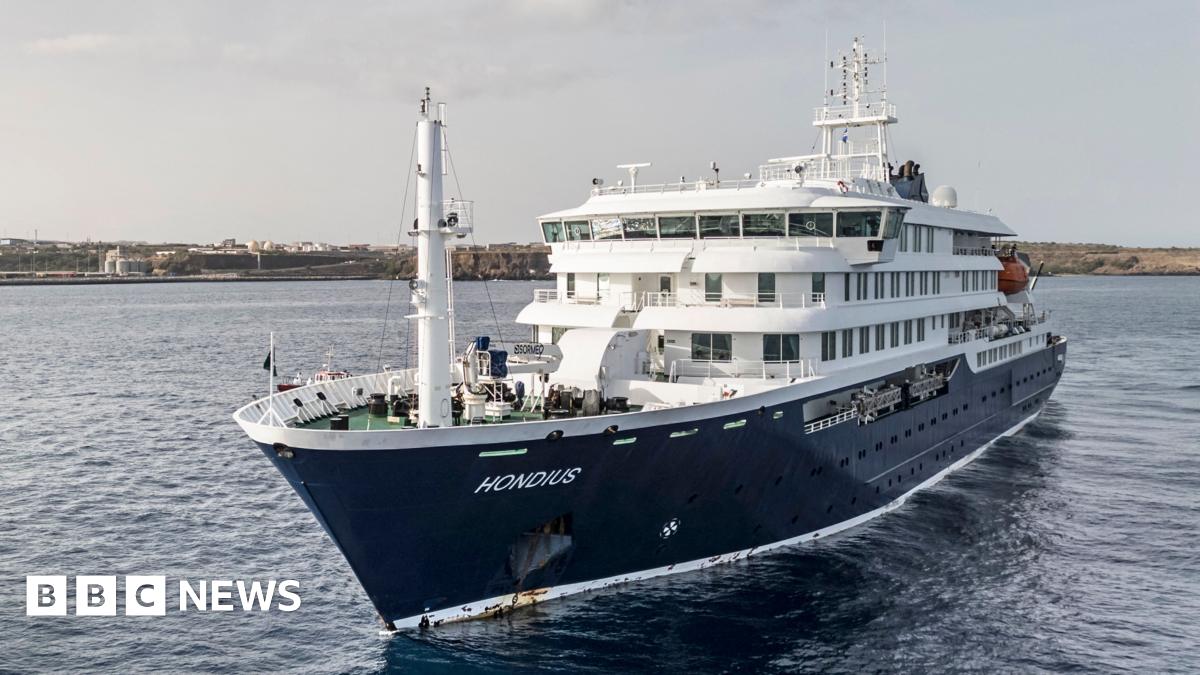
Hantavirus Outbreak Prompts Cruise Ship Evacuations, Canary Islands Docking Debate

Oman launches tender for 800-1,000 MW green hydrogen power plant