ODM Disputes Governor Orengo's Account of Sh40 Million Legal Fee Case
The Orange Democratic Movement party claims Siaya Governor James Orengo shifted a pro bono arrangement to a paid engagement, leading to a Sh40 million payout.
KENYA —
Key facts
- ODM alleges Governor James Orengo initially agreed to work pro bono on the Political Parties Fund case.
- The party claims Orengo later engaged a law firm, changing the arrangement to a paid contract.
- ODM states Sh40 million was paid to the firm involved for legal services.
- The party's National Executive Committee formally resolved to file the case, not Orengo individually.
- A legal dispute is ongoing in the High Court, with claims exceeding Sh350 million.
- Orengo asserted he personally initiated the case that secured Sh12 billion for the party.
Party Accuses Governor Orengo of Shifting Legal Arrangement
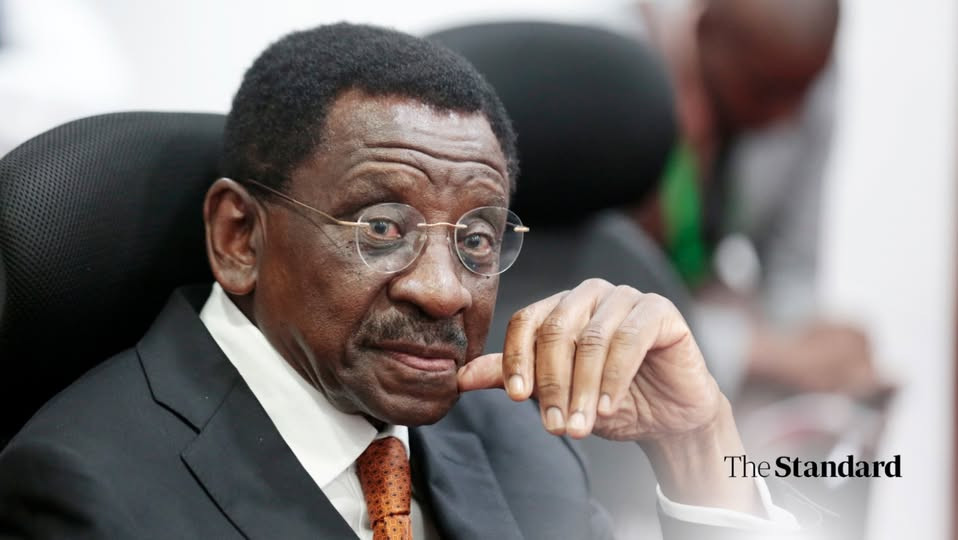
The Orange Democratic Movement (ODM) party has publicly contested claims made by Siaya Governor James Orengo regarding his role in the landmark Political Parties Fund case. In a detailed statement issued on May 5, the party asserted that Orengo’s account of personally initiating the litigation, which ultimately secured Sh12 billion for political parties, does not align with official records. Instead, ODM alleges that Orengo initially agreed to provide legal services on a pro bono basis before the nature of the engagement shifted to a paid contractual arrangement. This dispute centres on the legal battle that led to the determination of funds owed to political parties by the government. Orengo, a senior figure within the party and a seasoned legal professional, had maintained that his personal initiative was instrumental in the case's success and that his contribution had been inadequately recognised. However, the ODM’s clarification seeks to set the record straight, presenting a narrative that places the decision-making process within the party's collective leadership. The party's statement highlighted that the resolution to file the case was a formal decision by its National Executive Committee (NEC), a body comprising senior party officials. This collective resolution, preceded Orengo's involvement, who was later brought in for his legal expertise. The subsequent demand for fees and the eventual payment have now escalated into a significant internal and external legal conflict.
Collective Resolution, Not Individual Initiative, Drove the Case
ODM's statement unequivocally refutes the notion that Governor Orengo acted as an individual in commencing the legal proceedings concerning the Political Parties Fund. The party insists that the decision to pursue the case was a deliberate and collective resolution passed by its National Executive Committee. This committee, a key decision-making organ of the ODM, reportedly deliberated on the matter and formally resolved that legal action should be initiated on behalf of the party. According to the party's account, James Orengo was subsequently engaged due to his recognised legal acumen. The initial understanding was that his contribution would be on a pro bono basis, a commitment often made by legal professionals to support causes or parties they align with. This pro bono arrangement, ODM contends, was the clear understanding when Orengo was brought on board as a senior member with specific legal expertise. The party's clarification aims to establish that the case was not a personal endeavour by Orengo but a strategic move sanctioned by the party's leadership. This distinction is crucial as it frames the subsequent financial arrangements and the ensuing dispute over legal fees. The party's records, it states, bear out this version of events, underscoring the collective nature of the decision-making process.
Shift from Pro Bono to Contractual Engagement
The crux of the disagreement lies in the transformation of Orengo's legal engagement from an unpaid service to a compensated one. ODM alleges that while Orengo was initially brought in to provide legal services pro bono, the nature of the arrangement changed when an external law firm was brought into the proceedings. This shift, the party claims, converted what was understood as a goodwill gesture into a formal contractual legal engagement. The party's statement indicates that the proceedings were eventually filed by an external law firm, identified as Julie Soweto's firm. This move altered the initial pro bono understanding. Following favourable rulings in both the High Court in 2016 and the Court of Appeal in 2018, demands for legal fees were subsequently made by this firm. ODM further states that these demands led to payments amounting to Sh40 million being made to the firm involved. The party views this transition from pro bono to a paid engagement as a departure from the original understanding and a key factor in the current dispute. The party's leadership, including the late Raila Odinga, reportedly expressed surprise and concern over these demands, with Odinga allegedly branding Orengo and his team as 'mercenaries'.
Financial Claims and Escalating Legal Battles
The dispute over legal fees has now culminated in a significant financial claim and an ongoing legal battle. Following the favourable court rulings, the firm that handled the case submitted demands for legal representation, leading to the Sh40 million payment. However, the matter has not ended there. The party is now embroiled in a protracted legal dispute in the High Court. The external law firm is pursuing claims that exceed Sh350 million for the legal services rendered. This substantial figure underscores the financial stakes involved and the gravity of the disagreement between the party and the legal representatives. ODM has indicated that there is documented evidence of these payments, which it considers verifiable. Furthermore, the party's statement alleges that evidence suggests Governor Orengo personally received some of these payments. This assertion adds another layer of complexity to the dispute, raising questions about financial transparency and accountability within the party's legal dealings. ODM is urging Orengo, as a Senior Counsel bound by professional ethics, to acknowledge the payments received for his services, contrary to the initial pro bono agreement.
Orengo's Counter-Narrative and the Sh12 Billion Fund
Governor James Orengo, however, maintains a distinctly different account of his involvement. He has publicly asserted that he personally initiated the legal proceedings that ultimately led to the determination of funds owed to the party. Orengo argues that the Sh12 billion figure, which represents the substantial amount allocated to political parties following the court's decision, exists solely because of the case he initiated. His stance emerged in response to the ODM's clarification and also in reaction to what he perceived as personal attacks during a press conference on May 4. On that occasion, ODM had issued fresh demands for the government to pay the Sh12 billion owed to the party. Orengo criticised the party for making these demands while simultaneously launching personal attacks against him and failing to acknowledge his claimed pivotal contribution. Orengo's narrative highlights his view that his role was not merely that of a legal representative but that of a key initiator whose actions directly resulted in a significant financial benefit for the party. He contends that this contribution has not been adequately recognised, leading to his current public defence of his actions and the nature of his engagement.
The Political Context and Future Implications
This dispute unfolds against a backdrop of political maneuvering and financial accountability within Kenya's political landscape. The Political Parties Fund is a critical resource for parties, enabling them to carry out their activities and fulfil their mandates. The successful litigation that secured a substantial increase in this fund was a significant victory, and how its benefits and the costs associated with achieving them are managed is of considerable public interest. The ongoing legal battle in the High Court, with claims escalating into hundreds of millions, poses a serious financial and reputational challenge for the ODM. The party must navigate this dispute while also pursuing the government for the allocated funds. The outcome of this legal wrangling could have implications for how political parties manage their legal affairs and engage external counsel in the future. As the legal proceedings continue, the focus remains on the evidence, the contractual agreements, and the ethical considerations governing legal practice. The party's call for Orengo to acknowledge his payment, despite the initial pro bono understanding, points to a fundamental disagreement over the terms and execution of his legal services. The resolution of this complex situation will likely involve judicial determination and could set precedents for similar cases.
The bottom line
- ODM claims Governor James Orengo agreed to a pro bono legal role in the Political Parties Fund case, later shifting to a paid engagement.
- The party states Sh40 million was paid to a law firm, contradicting Orengo's assertion of personally initiating the case without fee.
- ODM's National Executive Committee formally resolved to file the case, not Governor Orengo individually, according to party records.
- A legal dispute is ongoing in the High Court, with claims by the law firm exceeding Sh350 million.
- Governor Orengo maintains he personally initiated the case, which secured Sh12 billion for political parties, and feels his contribution is unacknowledged.
- The dispute highlights tensions over legal fees, contractual agreements, and the recognition of contributions within political parties.




Muhoho Kenyatta's Sh20 Billion NCBA Stake Revealed Amid Nedbank Takeover
Sundowns and Chiefs Share Points in Tense 1-1 Draw
Simeone's Atletico Madrid Secures Champions League Spot
