Senator Nyamu Faces Calls for Further Senate Action Over Student Remarks
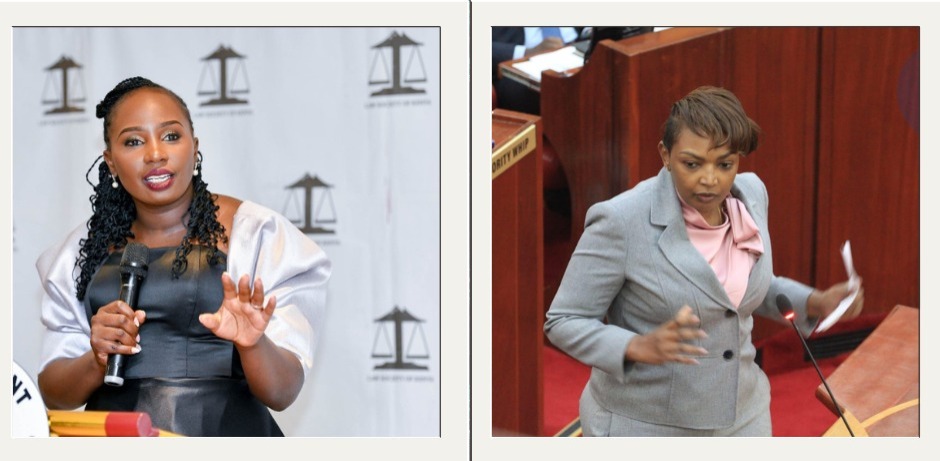
Former Law Society President Faith Odhiambo deems Senator Karen Nyamu's apology insufficient for 'degrading remarks' made to a student.

KENYA —
Key facts
- Senator Karen Nyamu made inappropriate remarks to a Grade 10 student on March 25, 2026.
- The remarks were made during a Senate sitting while welcoming a student participating in the School Voluntary Service Scheme.
- Former Law Society of Kenya President Faith Odhiambo stated Nyamu's apology was insufficient.
- Odhiambo described the apology as 'theatrical' and a 'gross violation of the dignity of a child'.
- Nyamu issued an unconditional apology before the Senate on May 7.
- The student was from Nairobi's Braeburn Garden Estate International School.
- Nyamu's comments suggested senators clarify the 'service' the student would offer.
Senate Confronts Senator Nyamu Over Remarks to Student
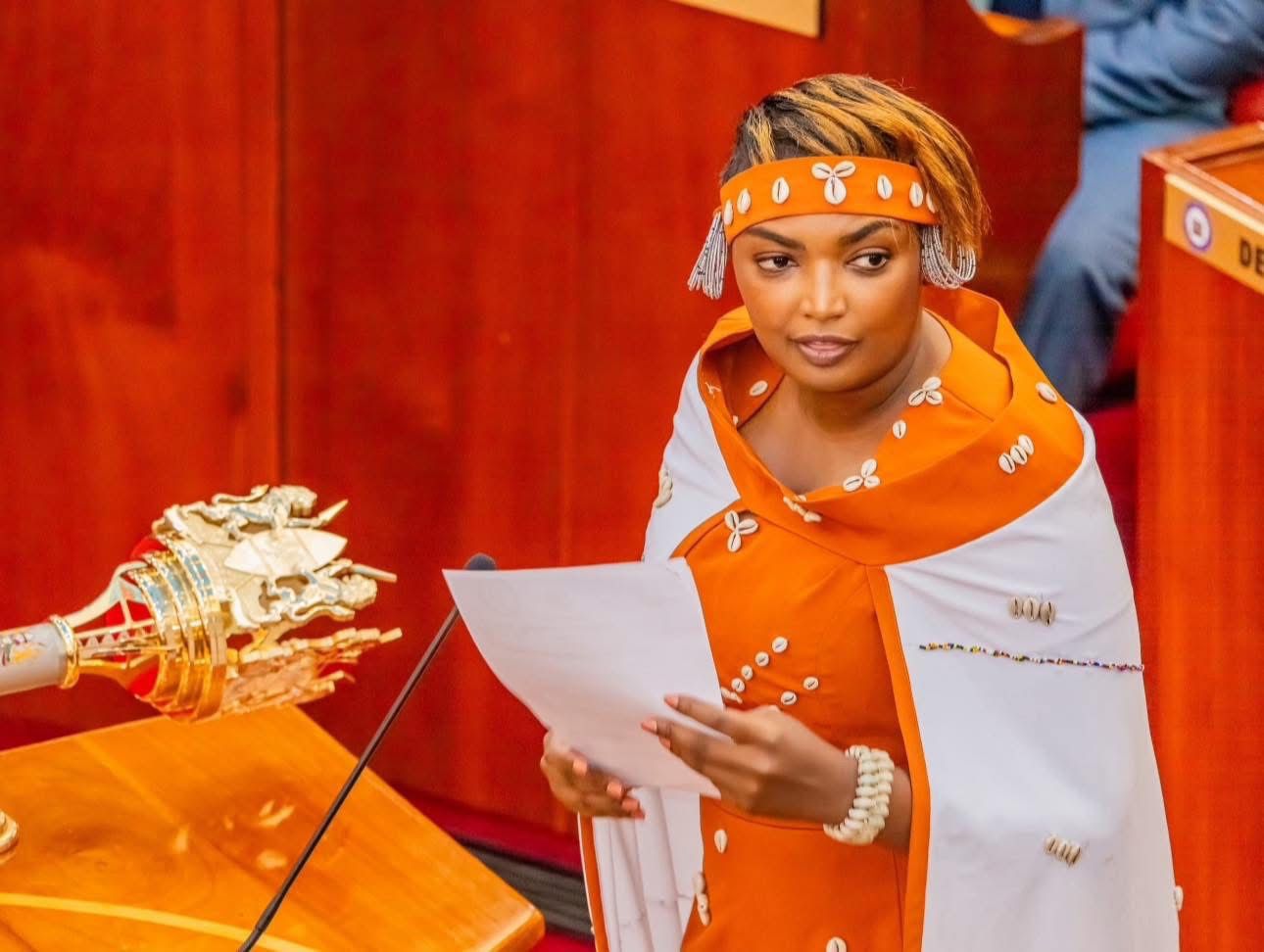
Nominated Senator Karen Nyamu has drawn sharp criticism and calls for further disciplinary action following remarks made to a Grade 10 student during a Senate sitting on March 25, 2026. The student, from Nairobi's Braeburn Garden Estate International School, was present under the School Voluntary Service Scheme. Nyamu's comments, made while welcoming the student, have been widely condemned as inappropriate and degrading, sparking a significant backlash. The controversy centres on Nyamu's suggestion that senators should clarify the specific 'service' the young visitor would provide, a statement that appeared to be made in jest. However, the remarks were perceived by many, including child rights advocates, as a violation of the student's dignity and a potential abuse of parliamentary privilege. The incident has ignited a debate about the safety and respect afforded to young people visiting legislative institutions. This situation underscores the delicate balance between public engagement and the protection of vulnerable individuals within parliamentary settings. The Senate's handling of the matter, including the timing and sincerity of Nyamu's apology, remains a focal point of public scrutiny.
Odhiambo Demands Accountability Beyond Apology
Former Law Society of Kenya President Faith Odhiambo has led the charge, asserting that Senator Nyamu's apology, delivered on the Senate floor, is insufficient. Odhiambo described the apology as "theatrical" and argued that the matter transcends a simple apology, given its implications for child protection. "What happened in the Senate Chamber on March 25 2026 was not just an embarrassment but a gross violation of the dignity of a child," Odhiambo stated in a release on Thursday. She emphasized that Parliament must remain a secure environment for visiting students, citing constitutional provisions that guarantee children protection from abuse and uphold their best interests. Odhiambo specifically referenced Article 53(1)(d) of the Constitution, which ensures children are protected from abuse and inhuman treatment, and Article 53(2), which mandates that the best interests of the child are paramount. She also pointed to Section 22(1) of the Children Act, 2022, which prohibits psychological abuse against children, including acts likely to cause humiliation and embarrassment. Her call is for "concrete accountability measures" rather than a swift acceptance of an apology.
Nyamu's Apology and Senate's Response
Senator Karen Nyamu was formally asked to apologise by the Speaker's panel, with nominated senator Veronica Maina bringing the matter to the fore on May 7. The panel deemed Nyamu's comments unparliamentary and undignified towards the young girl. Nyamu was instructed to apologise not only to the student but also to her family, the Senate, and the wider public. Responding to the directive, Nyamu tendered an unconditional apology before the Senate. However, her delivery raised further questions about its sincerity. She stated that the apology had been written for her, suggesting that parts of it contained admissions contrary to her true feelings. This assertion appeared to unsettle the House, casting doubt on the genuine remorse behind the statement. The apology came over a month after the incident on March 25, highlighting the extended period before formal action was taken. The Speaker's panel's intervention was crucial in compelling Nyamu to address the controversial remarks.
Context of the Remarks and Backlash
The controversy ignited when Senator Nandi, Samson Cherargei, excitedly acknowledged the presence of the Grade 10 student. It was in this context that Senator Nyamu made her now-infamous remarks, questioning the nature of the student's service and referencing Senator Cherargei's enthusiastic reaction. These comments, intended or not, were met with immediate criticism online and from child rights defenders. The UDA-nominated senator found herself on the receiving end of a significant public outcry, with many viewing her words as a form of harassment and psychological abuse directed at a minor. The incident occurred during a one-week School Voluntary Service Scheme the student was undertaking at Parliament. Nyamu's statement at the time, as quoted, was: "Mr Speaker, probably you should have made it clear which service to the Senate she's offering, because I saw Senator Cherargei getting very excited when he saw a lady, and yeah, it's good to clarify it. You know, it's good to specify which service she is going to offer the Senate, so welcome very much to the Senate."
Constitutional and Legal Framework for Child Protection
Faith Odhiambo's critique of Senator Nyamu's actions and apology is firmly rooted in Kenya's legal framework for protecting children. The former Law Society of Kenya president invoked key constitutional and statutory provisions designed to safeguard minors. Central to her argument are Article 53(1)(d) of the Constitution, which guarantees children the right to be protected from abuse, and Article 53(2), which establishes the principle that the best interests of the child must be paramount in all matters concerning them. These articles form the bedrock of legal protections afforded to children in Kenya. Furthermore, Odhiambo cited Section 22(1) of the Children Act, 2022. This section explicitly prohibits psychological abuse against children, encompassing any conduct likely to cause them humiliation or embarrassment. By referencing these legal instruments, Odhiambo underscores the gravity of Senator Nyamu's remarks, framing them not merely as an impropriety but as a potential violation of established legal rights.
The Path Forward: Accountability and Institutional Seriousness
The ongoing debate surrounding Senator Nyamu's conduct highlights a broader concern about institutional accountability and the seriousness with which child protection is treated. Faith Odhiambo's insistence on "concrete accountability measures" suggests a need for the Senate to move beyond symbolic gestures. "An apology that is read and accepted in minutes is not justice," Odhiambo stated, questioning the efficacy of a perfunctory apology. She argues that if institutions are genuinely committed to protecting the girl child, their actions must reflect this seriousness. This implies a call for tangible consequences that serve as a deterrent and reaffirm the Senate's commitment to upholding standards of conduct. The coming days will likely see further deliberation within the Senate regarding the appropriate response to the incident. The outcome of this process will signal the institution's stance on safeguarding the dignity of young visitors and enforcing parliamentary decorum.
The bottom line
- Senator Karen Nyamu issued an apology on May 7 for remarks made to a Grade 10 student on March 25, 2026.
- Former LSK President Faith Odhiambo has called the apology insufficient and demanded further Senate action.
- Odhiambo cited constitutional provisions and the Children Act, 2022, in her critique.
- Nyamu's apology was delivered after being prompted by the Speaker's panel, over a month after the incident.
- The student was visiting Parliament as part of the School Voluntary Service Scheme.
- Critics argue Nyamu's comments constituted psychological abuse and violated the child's dignity.



In War-Torn Sudan, Eid al-Adha Qurbani Meat Is the Only Protein Families Will Eat All Year

Beyoncé Returns to Met Gala After Decade-Long Absence, Co-Chairs 2026 Fundraiser
/https%3A%2F%2Fsportsmole-media-prod.s3.gra.io.cloud.ovh.net%2Fuploads%2F2026%2F04%2Ficonsport-362644-0332-1-69e8905eedb42068810882.jpg)
Strasbourg Aims for European Comeback Against Rayo Vallecano