Manchester United Shares Trade at 30% Discount to Intrinsic Value, DCF Model Shows
Despite a 24.2% annual gain, the stock's recent decline and a £92.8 million free cash flow loss raise questions about fair value.

KENYA —
Key facts
- Manchester United last closed at US$17.22 per share.
- The stock fell 3.8% over the past seven days.
- Year to date, shares are up 9.1%; one-year return is 24.2%.
- Three-year return is a decline of 10.0%; five-year return is 0.5%.
- Latest twelve-month free cash flow is a loss of approximately £92.8 million.
- DCF analysis estimates intrinsic value at £24.59 per share, implying a 30% discount.
- Manchester United scores 2 out of 6 on Simply Wall St's valuation checklist.
A Stock Caught Between Brand Power and Financial Reality
Manchester United’s shares closed at US$17.22, a price that reflects both the enduring strength of one of football’s most valuable brands and the financial turbulence that has dogged the club. The stock has declined 3.8% over the past week, even as its one-year return stands at a robust 24.2%. The divergence between short-term jitters and longer-term gains captures the tension investors face. Off-pitch developments — ownership disputes, governance questions, and strategic direction — have kept the club in the financial headlines, adding layers of uncertainty. For many shareholders, the question is whether the current price represents a genuine bargain or merely the market pricing in persistent risks.
Discounted Cash Flow Points to a 30% Undervaluation
A Discounted Cash Flow (DCF) analysis, which projects future cash flows and discounts them to present value, suggests Manchester United shares are undervalued by roughly 30%. The model estimates an intrinsic value of £24.59 per share, compared with the recent US$17.22 trading price. This gap implies that, if the club’s cash flow projections hold, the stock could offer significant upside. However, the DCF model relies on assumptions about future performance. The latest twelve-month free cash flow stands at a loss of about £92.8 million, a figure that underscores the club’s current financial strain. Analysts project free cash flow to reach approximately £228 million by the 2028 financial year, with Simply Wall St extending estimates to 2035. Each year’s projected cash flow is discounted back using the model’s assumptions, producing the intrinsic value estimate.
Valuation Checklist Flags Only Two Out of Six Criteria
On Simply Wall St’s six-point valuation checklist, Manchester United scores just 2 out of 6, indicating multiple red flags that investors should examine. The checklist likely considers factors such as earnings stability, debt levels, and growth prospects. The low score suggests that while the DCF points to undervaluation, other metrics temper the optimism. Investors often turn to the price-to-sales (P/S) ratio when earnings are uneven, as is the case with Manchester United. The P/S ratio compares share price to revenue, offering a cross-check against profit figures that can swing due to one-off items. A higher or lower P/S reflects market expectations for future growth and perceived risk. Stronger growth and lower risk support a higher multiple, while slower growth or higher risk typically depress it.
Ownership and Governance Uncertainty Weigh on Sentiment
Recent headlines around ownership and governance have kept Manchester United in the financial press, adding context to the share price moves. The club’s direction on the field — a perennial concern for fans and investors alike — compounds the off-pitch narrative. For many investors, the mix of these developments and the club’s long-term brand strength is central to how they assess the stock’s worth. The Glazer family’s majority ownership has been a source of fan unrest, and potential changes in control or investment structure remain unresolved. Governance issues, including board composition and strategic decision-making, have also drawn scrutiny. These factors create a backdrop of uncertainty that can suppress valuation multiples, even as the brand’s global appeal endures.
Long-Term Returns Show Mixed Picture
Manchester United’s stock performance over longer horizons reveals a more complex story. The three-year return is a decline of 10.0%, and the five-year return is a mere 0.5%. These figures contrast sharply with the one-year gain of 24.2% and the year-to-date return of 9.1%. The disparity suggests that while recent momentum has been positive, the club has struggled to generate sustained shareholder value over the past half-decade. The 30-day return of 5.3% indicates a short-term uptick, but the 7-day decline of 3.8% shows that recent sentiment has turned negative. Investors are weighing the potential for a turnaround against the structural challenges that have weighed on the stock.
What Comes Next for Investors
For those considering Manchester United shares, the DCF analysis offers a data point suggesting the stock is cheap relative to projected cash flows. But the low valuation checklist score and the club’s negative free cash flow serve as warnings. The path to realizing the intrinsic value depends on the club’s ability to improve its financial performance, resolve governance issues, and achieve on-field success. Investors will watch for developments in ownership structure, commercial revenue growth, and cost management. The club’s ability to return to positive free cash flow will be critical. Until then, the gap between the DCF-derived value and the market price reflects both opportunity and risk.
The Brand Premium Meets Financial Discipline
Manchester United’s global brand remains one of the most powerful in sports, underpinning its commercial revenue and fan base. Yet the financial discipline required to translate that brand power into consistent shareholder returns has been lacking. The DCF model’s 30% discount suggests the market is pricing in a significant risk premium. Whether that discount narrows depends on the club’s ability to execute a coherent strategy. For now, the stock trades at US$17.22, a price that reflects both the allure of the brand and the weight of the challenges. The next few quarters will test whether the intrinsic value can be realized.
The bottom line
- Manchester United shares trade at US$17.22, with a DCF-based intrinsic value of £24.59 per share, implying a 30% discount.
- The club posted a negative free cash flow of £92.8 million over the latest twelve months, highlighting financial strain.
- Simply Wall St’s valuation checklist gives the stock only 2 out of 6 points, signaling multiple red flags.
- One-year return of 24.2% contrasts with a three-year decline of 10.0%, showing mixed long-term performance.
- Ownership and governance uncertainty continue to weigh on investor sentiment and valuation multiples.
- The stock’s fair value depends on the club’s ability to improve cash flow, resolve governance issues, and achieve on-field success.


Mainoo’s late strike seals Champions League return as United complete league double over Liverpool
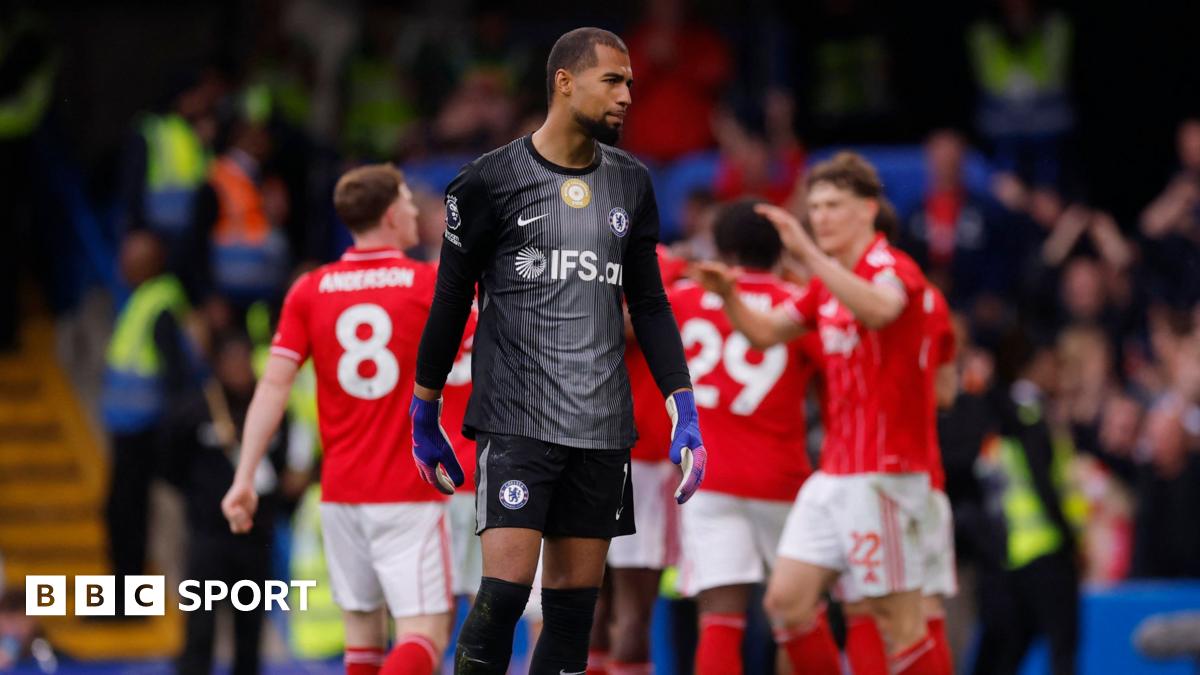
Awoniyi Double Sinks Chelsea as Forest Stroll to 3-1 Victory at Stamford Bridge

Arteta Urges Arsenal to 'Love' the Pressure as Title Race Intensifies