Manchester United Shares Undervalued by 30% Despite On-Field Turmoil
DCF analysis suggests intrinsic value of £24.59 per share, far above the recent US$17.22 close, as investors weigh brand strength against governance concerns.

KENYA —
Key facts
- Manchester United shares closed at US$17.22, with a year-to-date return of 9.1% and a one-year return of 24.2%.
- The stock has a 7-day decline of 3.8% and a 30-day return of 5.3%.
- Three-year and five-year returns stand at -10.0% and 0.5%, respectively.
- Discounted Cash Flow analysis estimates intrinsic value at £24.59 per share, implying a 30% discount.
- Latest twelve-month free cash flow is a loss of approximately £92.8 million.
- Projected free cash flow is expected to reach about £228 million by the 2028 financial year.
- Manchester United scores 2 out of 6 on Simply Wall St's valuation checklist.
A Tale of Two Valuations
Manchester United plc, the English football club listed on the New York Stock Exchange under the ticker MANU, closed at US$17.22 per share, according to the latest trading data. That price reflects a 3.8% decline over the past seven days and a 5.3% gain over the past 30 days, but a more sobering 10.0% loss over three years. Yet a Discounted Cash Flow analysis paints a strikingly different picture: an estimated intrinsic value of £24.59 per share, suggesting the stock is undervalued by roughly 30%. The divergence between market price and intrinsic value lies at the heart of the debate surrounding the club's equity. On one hand, the club's global brand remains a powerful asset, underpinning a one-year return of 24.2% and a year-to-date return of 9.1%. On the other, persistent headlines about ownership struggles, governance issues, and on-field performance have kept the stock under pressure, creating what some analysts see as a buying opportunity.
The DCF Model and Its Assumptions
The Discounted Cash Flow model used by Simply Wall St projects future cash flows and discounts them to present value. For Manchester United, the latest twelve-month free cash flow stands at a loss of approximately £92.8 million, a figure that underscores the club's recent financial challenges. However, the model incorporates analyst projections that free cash flow will rebound to about £228 million by the 2028 financial year, with estimates extended to 2035. Each year's projected cash flow is adjusted and discounted back to today using the model's assumptions. The resulting intrinsic value of £24.59 per share implies a discount of about 30% relative to the recent US$17.22 share price. This suggests that, based on future cash flow expectations, the shares are currently priced below what the business might be worth.
Valuation Checks and Red Flags
On Simply Wall St's six-point valuation checklist, Manchester United scores just 2 out of 6, indicating several potential red flags. The low score reflects the club's negative free cash flow and the uncertainty surrounding its long-term financial trajectory. Investors are advised to examine the full valuation breakdown to understand the specific risks. The checklist approach provides a quick snapshot, but the DCF model offers a more comprehensive view. For companies like Manchester United, where earnings can be uneven, the price-to-sales ratio is often a useful cross-check. The P/S ratio compares share price to revenue, rather than profit, which can be distorted by one-off items. A higher or lower P/S multiple depends on investor expectations for future growth and perceived risk.
Ownership and Governance Overhang
Recent headlines around ownership and governance have kept Manchester United in the financial press, adding context to the share price moves. The Glazer family's control has been a source of fan discontent, and speculation about a potential sale or restructuring has created uncertainty. On-field direction, including managerial changes and player transfers, also influences investor sentiment. For many investors, the mix of off-pitch developments and long-term brand strength is central to how they think about the stock's value. The club's global fan base and commercial revenue streams provide a buffer, but governance concerns could weigh on the stock until resolved.
Market Performance and Investor Sentiment
Despite the recent 7-day decline, Manchester United shares have delivered a 24.2% return over the past year, outperforming many peers. The year-to-date gain of 9.1% suggests that some investors are betting on a turnaround. However, the three-year decline of 10.0% and the five-year return of just 0.5% highlight the stock's volatility and the challenges of sustained growth. The stock's performance reflects a tug-of-war between short-term headwinds and long-term potential. The DCF model's 30% discount may attract value investors, but the low valuation checklist score cautions that risks remain.
What Comes Next for MANU
The key question for investors is whether Manchester United can close the gap between market price and intrinsic value. Achieving the projected free cash flow of £228 million by 2028 will require improved on-field performance, cost control, and perhaps a resolution of ownership issues. The club's ability to monetize its brand in an increasingly competitive football landscape will be critical. Analysts will be watching for any catalysts, such as a new investor, a stadium redevelopment plan, or a return to Champions League football, that could shift sentiment. Until then, the stock may remain undervalued, offering both opportunity and risk.
A Calculated Bet on Brand and Recovery
Manchester United's share price tells a story of a club with immense brand equity but uncertain near-term prospects. The DCF analysis suggests that the market is pricing in more pessimism than the fundamentals warrant, at least on a cash-flow basis. Yet the low valuation checklist score reminds investors that the path to realizing that intrinsic value is fraught with obstacles. For those willing to look past the headlines, the 30% discount may represent a compelling entry point. But as the club navigates ownership debates and on-field rebuilding, patience will be as important as conviction.
The bottom line
- Manchester United shares are trading at a 30% discount to DCF-based intrinsic value of £24.59.
- The club's latest free cash flow is a loss of £92.8 million, but is projected to reach £228 million by 2028.
- The stock has a one-year return of 24.2% but a three-year decline of 10.0%, reflecting volatility.
- Simply Wall St's valuation checklist gives the stock a low score of 2 out of 6, citing red flags.
- Ownership and governance issues remain key overhangs on the share price.
- The P/S ratio offers an alternative valuation lens, dependent on growth expectations and risk perception.


Mainoo’s late strike seals Champions League return as United complete league double over Liverpool
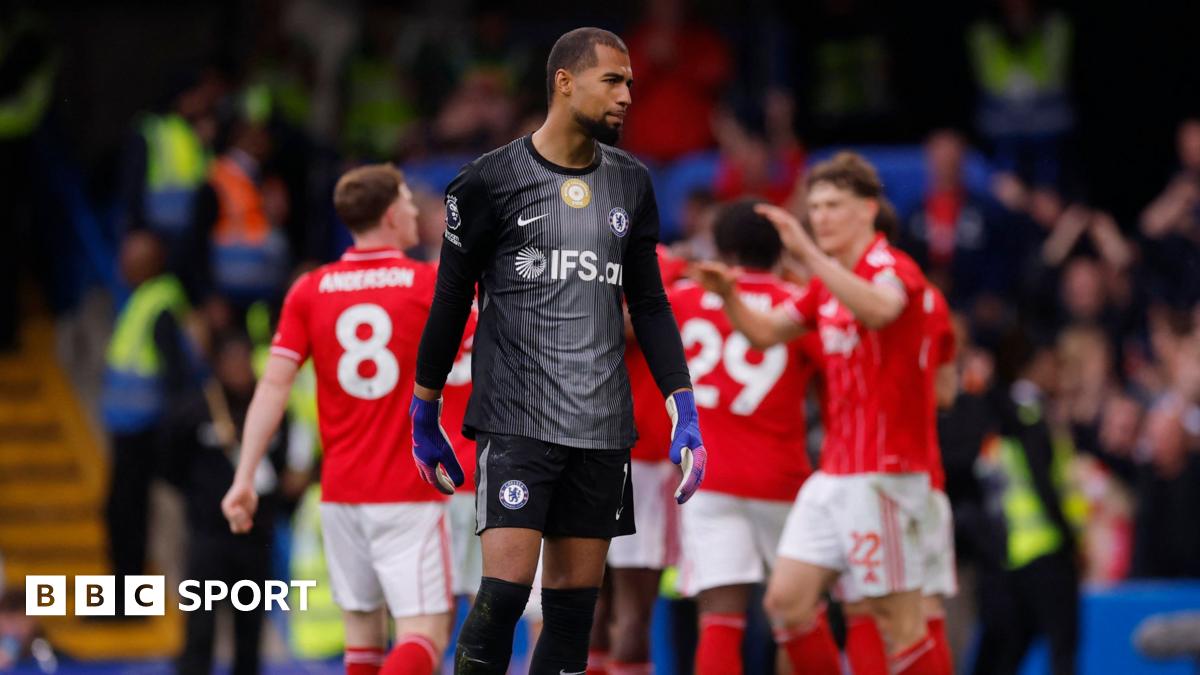
Awoniyi Double Sinks Chelsea as Forest Stroll to 3-1 Victory at Stamford Bridge

Arteta Urges Arsenal to 'Love' the Pressure as Title Race Intensifies