Fuel Crisis Grips Nairobi as Port Clearance Delays and Geopolitical Tensions Disrupt Supply
Motorists face long queues and empty pumps as Kenya's three largest oil marketers run dry, with independent dealers locked out of the supply chain.

KENYA —
Key facts
- Vivo Energy, Rubis Energie Kenya, and TotalEnergies Marketing Kenya are the hardest hit by supply disruptions.
- Delays in cargo clearance at the port of Mombasa, linked to missing Certificates of Conformity, triggered the shortages.
- About 450 oil tankers are stranded globally due to geopolitical tensions and Somali pirate threats.
- Independent dealers, accounting for 68% of fueling points, are forced to buy at the pump from major marketers who limit sales.
- Kenya imports fuel via a Government-to-Government deal with Gulf companies, disrupted by the US-Israel war against Iran.
- Panic buying has surged demand, exacerbating the crisis in Nairobi and expected to spread to other regions.
Empty Pumps and Desperate Motorists Across Nairobi
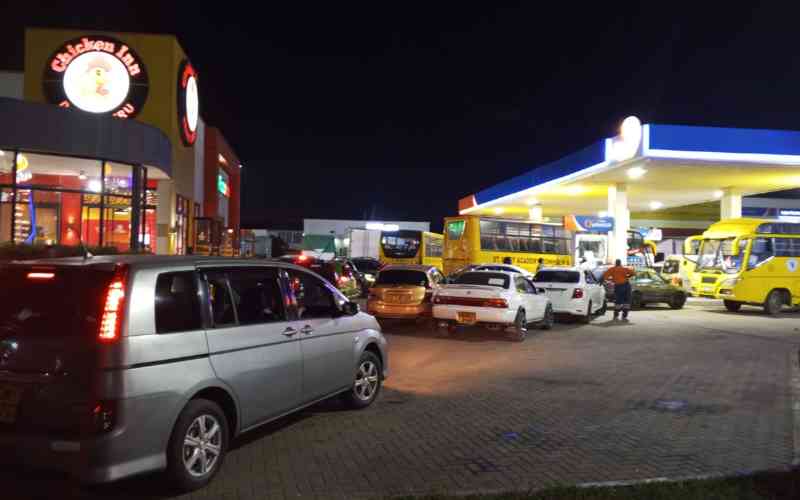
A crippling fuel shortage has gripped Nairobi, leaving motorists stranded and transport operations disrupted as drivers count heavy losses. From South C to Embakasi, Thika Road to Mlolongo, desperate motorists on Tuesday were forced to hop from one petrol station to another in search of fuel—often without success. “As of yesterday night, there was a problem. I moved from one petrol station to another and queues were already building but I finally managed to fuel,” said Fred Mucheru, a taxi driver in Nairobi. Macmilan midarimo, a Boda boda rider, added: “We are charging above the normal price because we have struggled to secure fuel. The whole of CBD, petrol stations are empty.”
Port Clearance Delays and Missing Certificates of Conformity
The shortages stem from logistical hitches and delays in clearing fuel cargoes at the port of Mombasa. Vessels faced delays in getting clearance from the Kenya Bureau of Standards (Kebs) to offload cargo over the weekend, with efforts to ease the clearance delays underway as of Monday afternoon. The delays are linked to the absence of Certificates of Conformity (CoC) on some vessels, which guarantee that products are safe for consumer use and legal to import. However, the document is not mandatory at some ports. A top official in the energy sector, speaking on condition of anonymity, said: “That is a temporary issue that was as a result of delay in clearing cargoes to discharge their product. The issue was sorted out yesterday and things will normalise soon.”
Big Three Marketers Hit Hardest as Independent Dealers Struggle
Vivo Energy, Rubis Energie Kenya, and TotalEnergies Marketing Kenya – the three biggest oil marketers – have been hit hardest, resulting in erratic supplies of diesel and petrol. Independent dealers, who serve the wider parts of the country, have also struggled to secure products, blamed on failure to have a wholesale cap and product for smaller traders. They are forced to buy at the pump from the major Oil Marketing Companies (OMCs), who are also limiting quantities they sell to them, with some completely locking the small dealers out of the supply chain. Independents account for up to 68 per cent of fueling points across the country, moving 40 per cent of the industry volumes.
Global Supply Tightening and Geopolitical Tensions
Tightening refined petroleum product supplies in international markets are catching up with Kenya. With the beginning of May, global refined petroleum product supplies are experiencing significant tightening, particularly in jet fuel and industrial feedstocks, despite an overall abundance of crude oil. This disruption is largely driven by intensified geopolitical tensions in the Middle East, specifically surrounding the Strait of Hormuz, which has restricted the flow of refined products and created bottlenecks in the supply chain. The recent hijacking of an oil tanker by Somali pirates has also created fears, with shipping lines remaining cautious on deploying vessels on routes with proximity to the region. Kenya currently imports fuel via the Government-to-Government (G-to-G) deal inked by Gulf companies, but the US-Israel war against Iran has disrupted supplies, forcing suppliers to seek alternative sources outside the traditional Gulf region.
Panic Buying and Hoarding Exacerbate Crisis
The intermittent stock-outs have triggered panic buying, piling more pressure on the big three marketers, who are now facing a sudden surge in demand. Last month, hoarding of products by major Oil Marketing Companies in anticipation for the recent price increase was blamed for the shortage witnessed in the country during the first week of April. Kenya has been struggling to secure products for import, with vessel availability also proving difficult according to industry players. This has hurt shipments into the country even as the government insists that supply remains stable.
Outlook: Normalisation Expected but Risks Remain
A top official in the energy sector assured that the clearance issue was sorted out and things will normalise soon. However, the underlying vulnerabilities—including geopolitical tensions, pirate threats, and reliance on a few major marketers—suggest that Kenya's fuel supply chain remains fragile. With independent dealers locked out and global supply tightening, the crisis could spread to other regions if not addressed. The government has not provided details on long-term measures to prevent future shortages, leaving motorists and businesses in a precarious position.
The bottom line
- Delays in cargo clearance at Mombasa port due to missing Certificates of Conformity triggered the current fuel shortage.
- The three largest oil marketers—Vivo Energy, Rubis Energie, and TotalEnergies—are most affected, with independent dealers locked out.
- Global supply tightening, Middle East tensions, and Somali pirate threats have disrupted Kenya's fuel imports.
- Panic buying and hoarding by major marketers have worsened the crisis, leading to empty pumps in Nairobi.
- Independent dealers, who control 68% of fueling points, are forced to buy at the pump from major marketers at limited quantities.
- The government insists supply will normalise soon, but underlying risks remain unaddressed.





In Budapest, Star Wars Day Reveals a Galaxy of Hidden Connections

Sporting CP Crushes Vitória Guimarães 5-1 in Primeira Liga Rout

Cucho Hernández double sends Real Betis to 3-0 win, pushes Oviedo closer to relegation