INEOS and Shell Deepen Gulf of America Partnership with New Exploration Deal
The agreement targets three opportunities near the Appomattox platform, including the pre-FID Fort Sumter discovery and two exploration wells.
KENYA —
Key facts
- INEOS acquires a 21% working interest in new exploration opportunities near the Appomattox platform for an undisclosed amount.
- The deal includes Shell's pre-FID Fort Sumter discovery, the Sisco exploration well, and a further well targeted by end of 2030.
- David Bucknall, CEO of INEOS Energy, said the partnership is 'disciplined growth targeting exploration, shared risk, and returns.'
- The agreement builds on existing joint ownership of Appomattox, Rydberg, the Nashville discovery, and the Mattox pipeline.
- INEOS Energy's portfolio spans the Gulf of America, Eagle Ford South Texas, offshore Denmark, and the UK Continental Shelf.
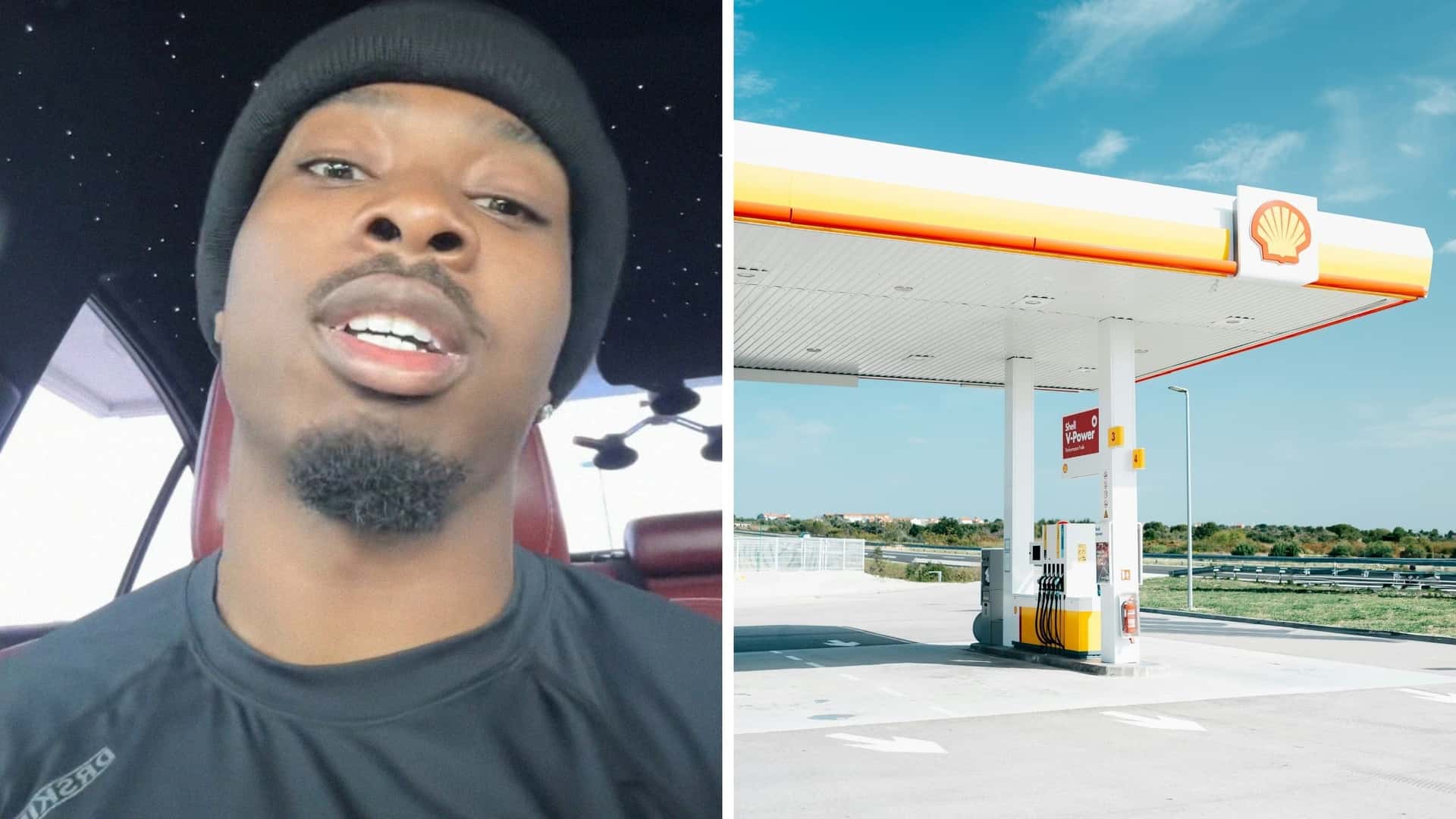
- A viral TikTok video showed a Dodge Hellcat owner filling up with 87 octane at a Shell station, sparking debate on fuel risks.
New Exploration Deal Strengthens Gulf of America Presence
INEOS Energy and Shell Offshore Inc., a subsidiary of Shell plc, have agreed to jointly invest in exploration and development opportunities in the Gulf of America, focusing on areas within tieback distance to the Appomattox platform. The agreement, announced today, marks a deepening of their collaboration and supports long-term energy security, according to the companies. INEOS is acquiring a 21% working interest in the targeted opportunities for an undisclosed amount, consistent with its existing ownership in Appomattox, Rydberg, the recent Nashville discovery, and the Mattox pipeline. The deal initially covers three exploration and production opportunities: Shell's pre-final investment decision (pre-FID) Fort Sumter discovery, the drilling of the Sisco exploration well, and a further exploration well targeted by the end of 2030.
A Natural Step in a Longstanding Partnership
David Bucknall, CEO of INEOS Energy, described the partnership as a natural progression. 'We are focusing on areas close to existing infrastructure where we can move quickly, control costs and unlock new production,' he said. 'This is disciplined growth targeting exploration, shared risk, and returns. These opportunities strengthen our portfolio and support long-term energy security.' The agreement builds on the state-of-the-art Appomattox host platform, integrating early production assets of Appomattox and Rydberg with existing pipeline infrastructure to deliver high-margin barrels. INEOS Energy's broader growth strategy includes established positions in the Gulf of America, Eagle Ford South Texas, offshore Denmark, and the UK Continental Shelf.
Viral Fuel Experiment Highlights Risks of Lower Octane
In a separate but related development, a TikTok video posted by Atoyye Automotive (@srtatoyye) has garnered over 63,000 views, showing a Dodge Hellcat owner filling up with 87 octane gasoline at a Shell station. The owner, frustrated by frequent fill-ups, decided to test whether lower-grade fuel would harm his supercharged 6.2-liter V8 engine, which produces over 700 horsepower and typically requires premium fuel of 91 octane or higher. The video captures the moment of truth: the engine starts without warning lights, but a noticeable knock or sputtering soon emerges with the hood open. The clip ends there, leaving the outcome unresolved and sparking a heated debate in the comments section about engine tolerance and fuel risks.
What Premium Fuel Does for High-Performance Engines
Octane rating measures a fuel's ability to resist premature ignition, which causes engine knock. In high-compression engines like the Hellcat's, lower-octane fuel can ignite too early, creating pressure waves that work against the piston. Modern vehicles have knock sensors that detect this and retard ignition timing to protect the engine, but this reduces power output, throttle response, and fuel efficiency. While a single tank of 87 octane is unlikely to cause immediate catastrophic damage, repeated use increases wear over time, especially during hard acceleration. For a Hellcat, whose entire purpose is high performance, the trade-off of saving a few dollars per fill-up comes at the cost of slower acceleration and reduced efficiency.
Mixed Reactions from Online Commentators
The comment section on the TikTok video reflected a wide range of opinions, from dismissive to cautious. Some viewers argued that one tank of lower-grade fuel would have no effect, while others pointed out that cars often leave dealerships with regular gas and run fine. A few suggested using an octane booster to offset the difference. However, more knowledgeable commenters noted that knock sensors provide a safety net but that long-term use can degrade engine components. 'All cars have knock sensors putting 87 once wont destroy the car it will still start have worse performance worse gas over time it will start to destroy parts,' one viewer wrote. The debate underscores the gap between casual assumptions and the engineering realities of modern high-performance engines.
Broader Implications for Energy and Consumer Behavior
The INEOS-Shell deal represents a significant investment in fossil fuel exploration at a time when global energy markets face volatility and calls for transition to renewables. The partnership aims to unlock new production from existing infrastructure, reducing costs and risks. Meanwhile, the viral fuel experiment highlights consumer behavior at the pump, where rising fuel prices tempt drivers to cut corners, sometimes at the expense of their vehicles' longevity. Both stories, though seemingly unrelated, touch on themes of resource management and risk: one at the corporate level, the other at the individual consumer level. The decisions made in boardrooms and at gas stations alike have long-term consequences for performance, cost, and energy security.
What Comes Next for the Gulf of America and Hellcat Owners
INEOS and Shell will proceed with the Fort Sumter discovery, the Sisco well, and a third exploration well by 2030, with the goal of delivering high-margin barrels through the Appomattox platform. The companies have not disclosed the financial terms of the deal, but it reinforces their commitment to the region. For Hellcat owners and high-performance car enthusiasts, the TikTok experiment serves as a cautionary tale: while modern engines can tolerate occasional low-octane fuel, the long-term trade-offs in performance and engine health are not worth the short-term savings. As one commenter succinctly put it, 'over time it will start to destroy parts.'
The bottom line
- INEOS acquires a 21% working interest in new Gulf of America exploration opportunities near the Appomattox platform, including the Fort Sumter discovery and two wells.
- The deal deepens the partnership between INEOS and Shell, focusing on low-cost, near-infrastructure development.
- A viral TikTok video shows a Dodge Hellcat owner using 87 octane fuel, sparking debate about engine knock and long-term damage.
- High-performance engines require premium fuel to avoid power loss and increased wear; knock sensors provide only temporary protection.
- The INEOS-Shell agreement supports long-term energy security but faces scrutiny amid global energy transition pressures.
- Consumer behavior at the pump reflects broader economic pressures, with potential hidden costs for vehicle maintenance.



In Budapest, Star Wars Day Reveals a Galaxy of Hidden Connections

Sporting CP Crushes Vitória Guimarães 5-1 in Primeira Liga Rout

Cucho Hernández double sends Real Betis to 3-0 win, pushes Oviedo closer to relegation