Spoof Call Scams Drain Accounts as FBI Warns of Growing Threat
Victims lose thousands to fraudsters posing as bank officials and law enforcement, with one Chase customer reporting $40,000 stolen.
KENYA —
Key facts
- Jennifer Lichthardt lost $40,000 after a spoof call displayed Chase's fraud department number.
- Scammers had Lichthardt's account number and balance down to the penny.
- The FBI describes spoofing and phishing as a growing problem that tricks victims into moving money.
- Criminals obtain banking info from the dark web or dumpster diving, then call automated systems for balances.
- Chase stated that Lichthardt's funds were withdrawn from the scammer's account the same day they were deposited.
- The FBI recommends two-factor authentication and not clicking unsolicited links to avoid scams.
- to the FBI's Internet Crime Complaint Center.
A Single Call, a Devastating Loss
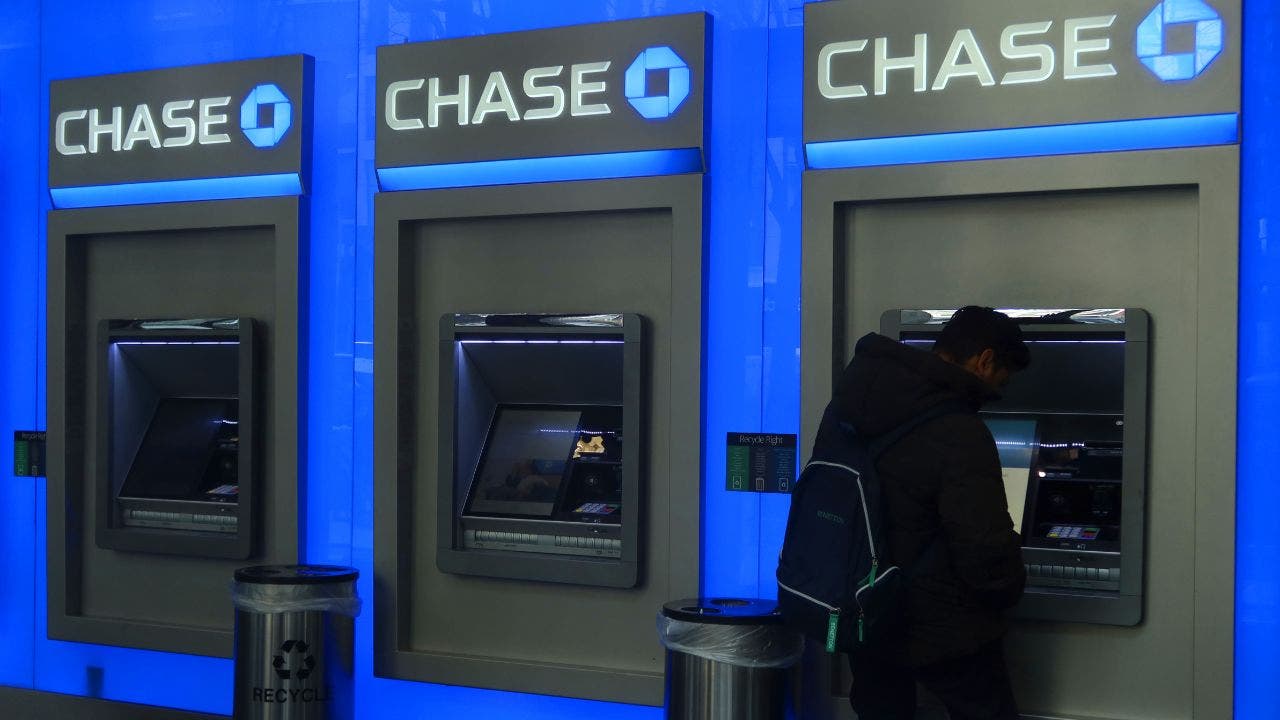
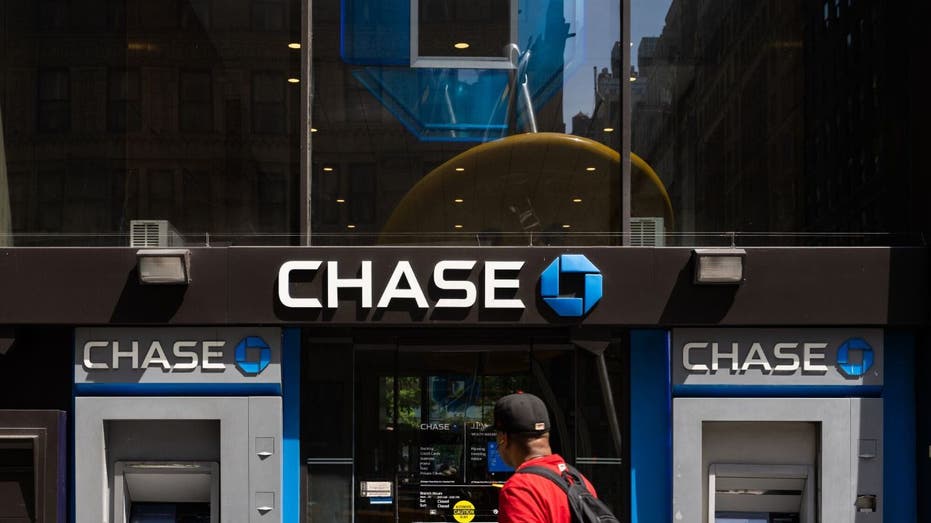
Jennifer Lichthardt, a resident of Elgin, Illinois, lost $40,000 after answering a phone call that appeared to come from the fraud department of JPMorgan Chase. The number displayed matched the one on the back of her Chase debit card. The caller claimed that Chase employees were accessing accounts and that they were working with the FBI to protect her money. Lichthardt was read her account number and balance, accurate to the penny. The scammers provided fake FBI agent numbers to build credibility. She was eventually convinced to move nearly $40,000 from her Chase account into a new "secured" account at her local branch and to transfer thousands more to another online bank. The money disappeared by the next morning.
How the Scam Works: Spoofing and Social Engineering
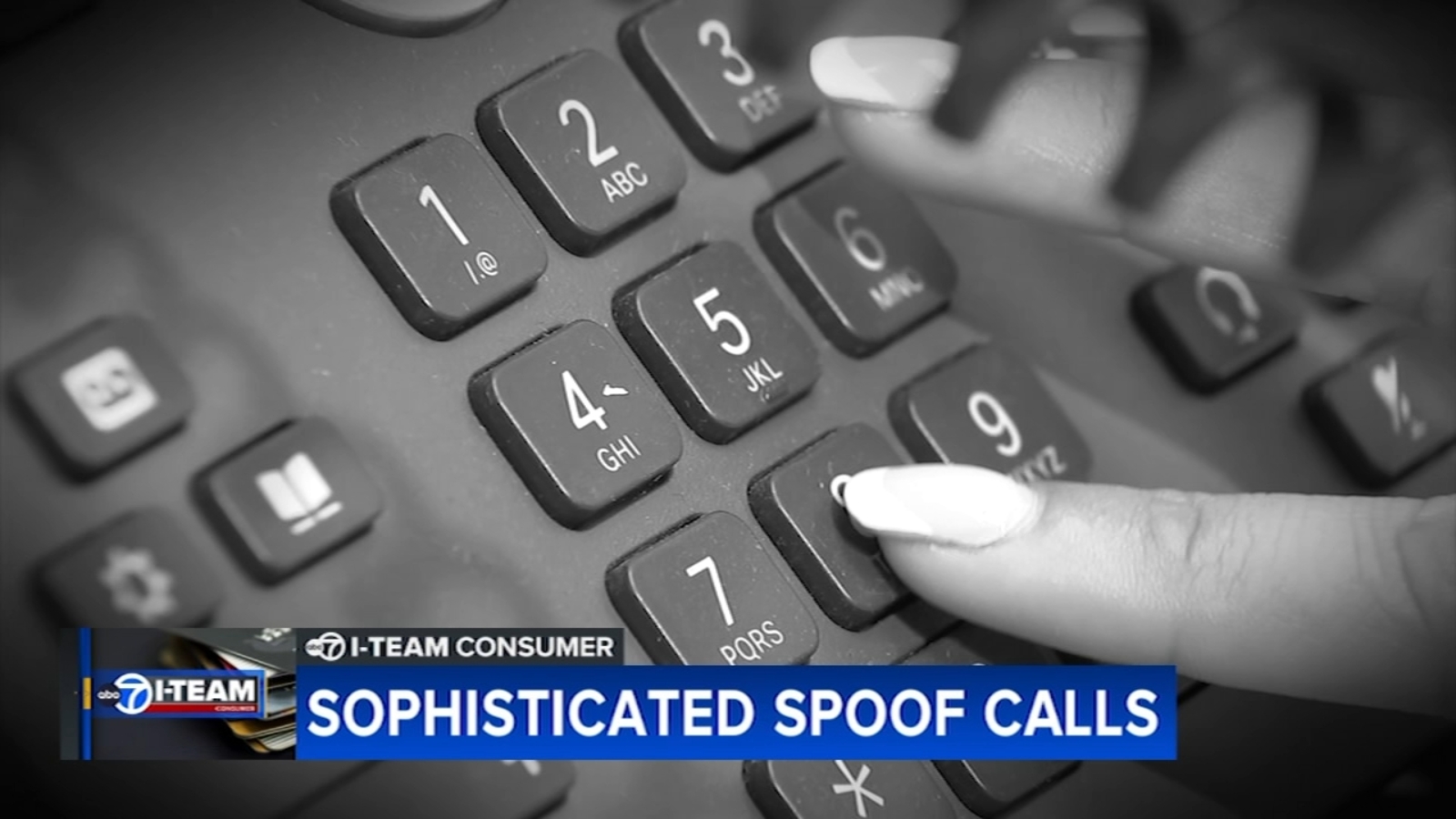
The scam, known as a "banking spoof call," involves criminals disguising their phone number so the caller ID shows the financial institution's legitimate contact information. The FBI warns that these calls are a growing problem, designed to trick victims into revealing sensitive information like passwords or PINs. Once scammers have basic data—often obtained from the dark web or even dumpster diving—they can call a bank's automated system to retrieve account balances and recent transactions. Armed with that detail, they impersonate bank officials or law enforcement to pressure victims into transferring funds to accounts they control.
Victims and the Human Toll
Lichthardt described feeling "financially violated" after realizing she had been scammed. the incident the following morning, but Chase noted that the funds had been withdrawn from the scammer's account the same day they were deposited. Many others have lost thousands in similar schemes, according to the FBI. ABC7's Rob Elgas, who also received a spoof call, managed to avoid the scam but chose to share his story to raise awareness. The FBI and consumer advocates emphasize that banks and legitimate companies will never ask customers to move money or provide passwords over the phone.
Chase and FBI Response: Warnings and Prevention
Chase urged all consumers to "ignore phone, text, or internet requests to move money or gain access to their computer or bank accounts." The bank reiterated that legitimate companies do not make such requests, but scammers do. The FBI recommends setting up two-factor or multi-factor authentication on accounts, examining email addresses and URLs for misspellings, and avoiding clicking unsolicited links in emails or texts. Anyone who suspects they have been targeted by a spoofing or phishing scheme should report it online to the FBI’s Internet Crime Complaint Center. The agency continues to investigate the growing trend, which exploits trust in official-looking caller IDs.
The Broader Context: A Surge in Cyber-Enabled Fraud
Spoofing and phishing are part of a wider wave of cyber-enabled financial fraud that has accelerated as more banking moves online. Criminals are increasingly sophisticated, using data breaches and social engineering to bypass traditional security measures. The FBI has classified these scams as a priority, given the ease with which fraudsters can impersonate institutions and the difficulty of recovering stolen funds. For victims like Lichthardt, the financial and emotional impact is severe. The case highlights the need for stronger consumer education and technological safeguards, such as call authentication protocols that could flag spoofed numbers before they reach potential targets.
What Comes Next: Vigilance and Reporting
Authorities urge consumers to remain skeptical of any unsolicited call requesting money or personal information, even if the caller ID appears legitimate. The FBI advises hanging up and contacting the bank directly using a known number. As spoofing technology evolves, so must public awareness and institutional defenses. For now, the most effective protection is caution. No bank or law enforcement agency will demand immediate fund transfers or passwords over the phone. the crime promptly, though as Lichthardt's case shows, recovering lost money remains difficult.
The bottom line
- Spoof calls mimic legitimate bank numbers to trick victims into transferring money to scammers.
- Criminals obtain personal data from the dark web or bank automated systems to appear credible.
- Jennifer Lichthardt lost $40,000 after being convinced by fake Chase and FBI representatives.
- Chase confirmed that the stolen funds were withdrawn the same day, making recovery nearly impossible.
- The FBI recommends two-factor authentication and ignoring unsolicited requests to move money.
- Report suspected scams to the FBI's Internet Crime Complaint Center.




In Budapest, Star Wars Day Reveals a Galaxy of Hidden Connections

Sporting CP Crushes Vitória Guimarães 5-1 in Primeira Liga Rout

Cucho Hernández double sends Real Betis to 3-0 win, pushes Oviedo closer to relegation