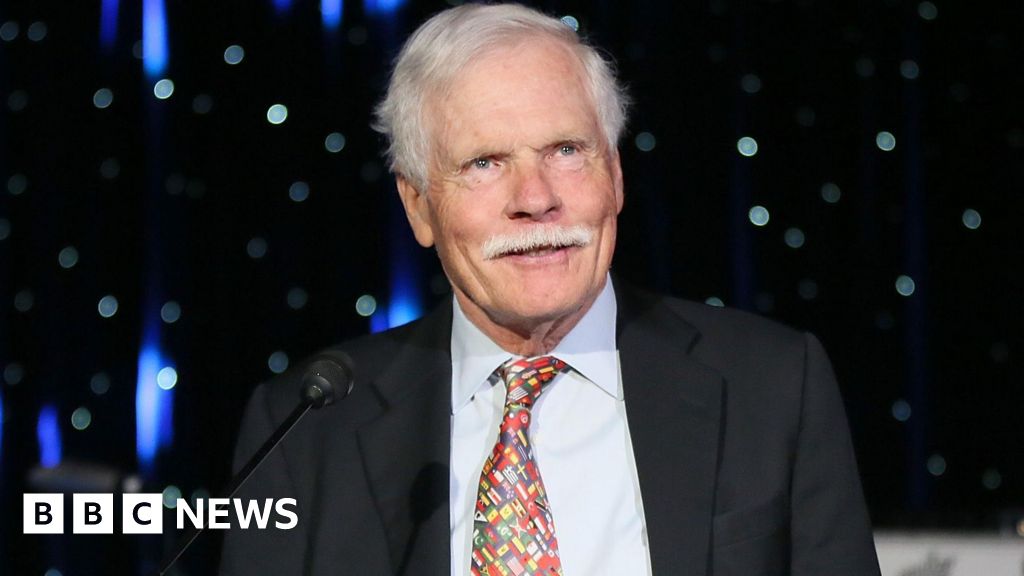
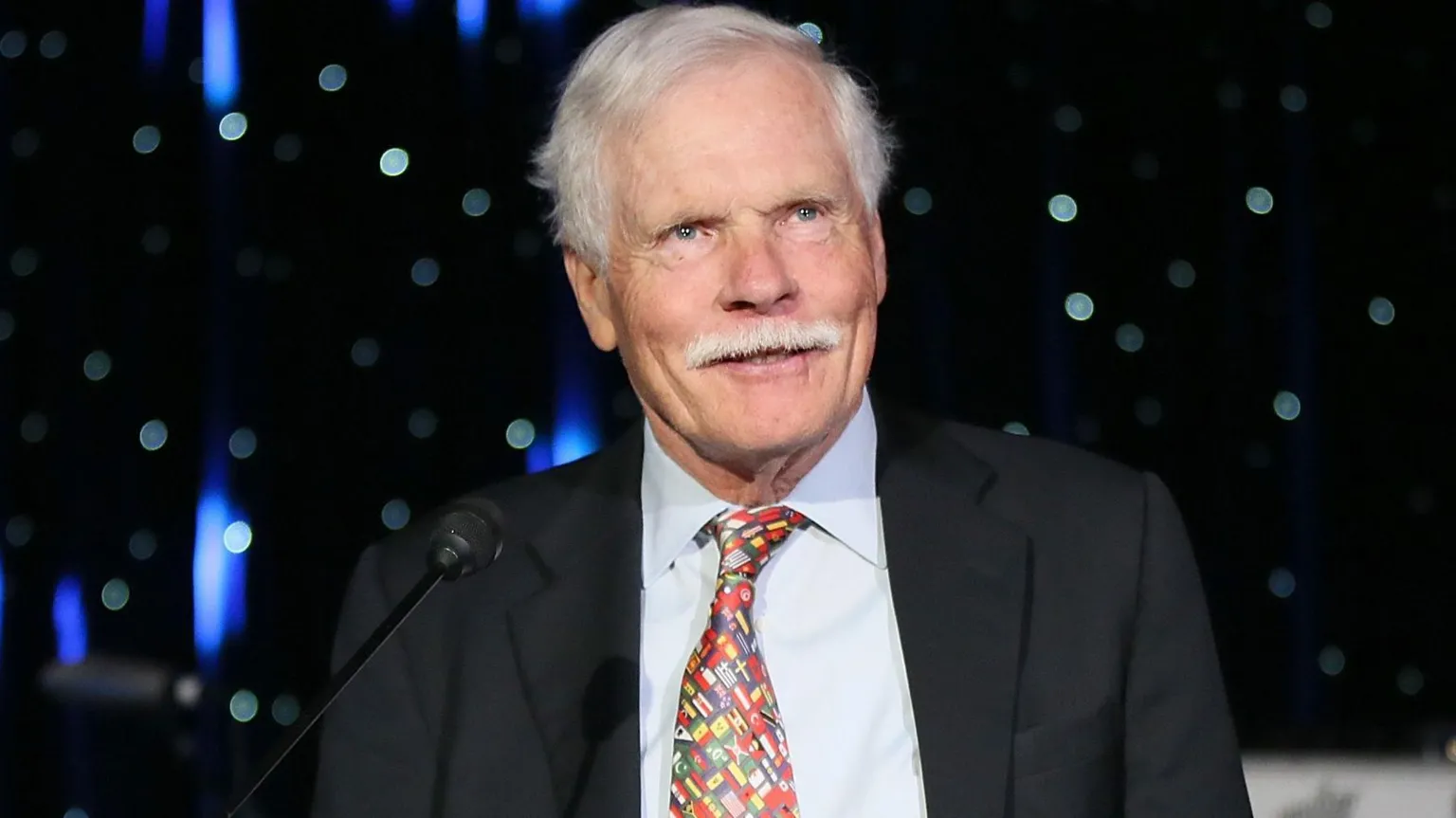
Ted Turner, Pioneer of 24-Hour News and Media Mogul, Dies at 87
The visionary entrepreneur who launched CNN and reshaped television, sports, and philanthropy, leaves an indelible mark on the global media landscape.
KENYA —
Key facts
- Ted Turner died at the age of 87.
- He launched CNN, the first dedicated 24-hour news channel, in 1980.
- Turner was Time Magazine's Man of the Year in 1991.
- He donated $1 billion to create the United Nations Foundation.
- He disclosed in September 2018 that he was suffering from Lewy body dementia.
- Turner owned the Atlanta Braves when they won the World Series.
- He was once the largest single landowner in the U.S.
A Giant of Broadcast History Departs
Media mogul Ted Turner, the visionary who fundamentally altered the television landscape by launching the world's first 24-hour news channel, has died at the age of 87. His passing marks the end of an era for broadcast journalism, a field he not only entered but redefined with his characteristic boldness and foresight. Turner's creation, Cable News Network (CNN), launched in 1980, became a central pillar of the global media ecosystem, a testament to his pioneering spirit. The news of his death was announced by CNN itself, the network that stands as his most enduring legacy. Colleagues and admirers have begun to pay tribute to a figure whose influence stretched far beyond the confines of television news. His impact resonated across sports, philanthropy, and even environmental activism, painting a portrait of a life lived with extraordinary ambition and a relentless drive to innovate. Turner's passing prompts reflection on a career marked by audacious gambles that often paid off, reshaping industries and challenging conventional wisdom. He was a titan whose shadow looms large over the modern media world, a man whose life story is as dramatic and compelling as the news he so famously delivered.
The Genesis of Rolling News
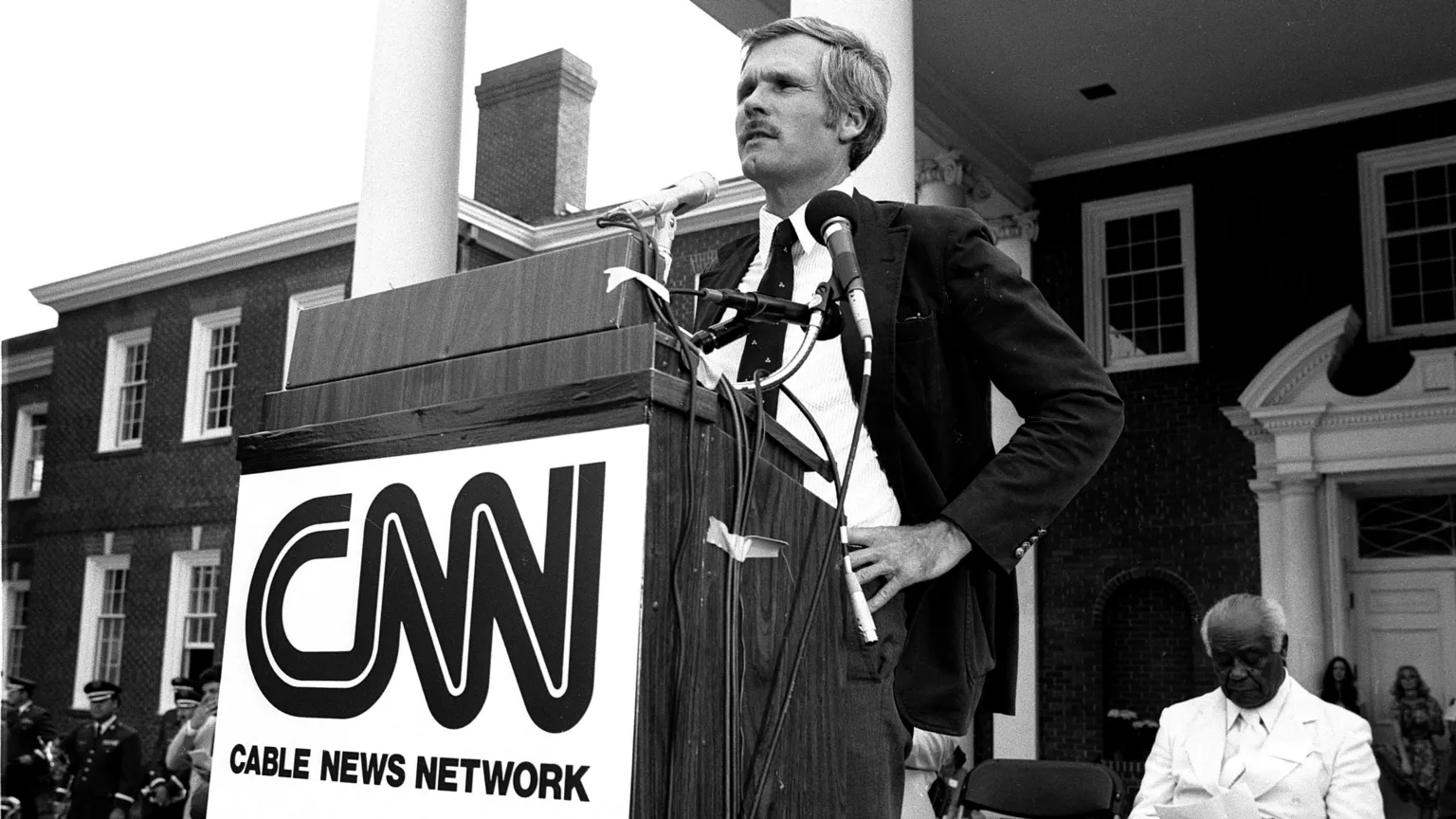
In 1980, Ted Turner launched Cable News Network, a venture met with considerable skepticism. Derided by some as the "Chicken Noodle Network," the nascent channel was an audacious gamble in a media environment not yet accustomed to continuous news cycles. Yet, Turner's conviction in the concept of a dedicated rolling news service would soon prove prescient. CNN's early years were defined by its ability to provide immediate and comprehensive coverage of pivotal global events. The assassination attempt on U.S. President Ronald Reagan in 1981 and the Challenger space shuttle disaster in 1986 were among the stories that solidified the network's value proposition. These events demonstrated the power of real-time reporting, establishing CNN as an indispensable source of information. The network's true coming-of-age arrived with its live, unblinking coverage from Iraq during the 1990-1991 Gulf War. This period cemented CNN's reputation for delivering breaking news directly from the front lines, influencing global perceptions and even shaping the way leaders consumed information. President George Bush famously remarked that he learned more from CNN than from the CIA, underscoring the network's profound impact.
A Multifaceted Empire Builder
Turner's journey into media began not with television, but with his father's family billboard company, which he inherited after his father's suicide. He then acquired a radio station in Atlanta, Georgia, laying the groundwork for what would become the Turner Broadcasting System (TBS) within a decade. This initial foray into broadcasting quickly expanded, demonstrating his innate business acumen and his ambition to build a media empire. His influence extended into sports, where he made deals that redefined broadcasting rights and owned the Atlanta Braves baseball team during their World Series victory. He also ventured into animation, launching channels like the Cartoon Network and creating "Captain Planet and the Planeteers," a children's show with an environmental message. This diverse portfolio showcased Turner's broad interests and his ability to identify and capitalize on emerging media trends. Beyond media and sports, Turner was a significant figure in philanthropy. He was among the first prominent individuals to make substantial donations during his lifetime, rather than through a will. His landmark $1 billion contribution to establish the United Nations Foundation underscored his commitment to global causes, particularly his passion for making the world a safer and healthier place.
Philanthropy, Setbacks, and a Legacy of Activism
Ted Turner's philanthropic endeavors were as ambitious as his business ventures. In 1997, following an award from the United Nations, he pledged $1 billion, a third of his personal wealth at the time, to create the United Nations Foundation. This act of generosity aimed to support the UN's work and promote its causes on a global scale. His career also saw significant financial turbulence. After selling his broadcasting system to Time Warner, he saw his income surge. However, the subsequent merger of Time Warner with AOL in 2000 led to a dramatic stock market decline. Within two years, Turner lost 80% of his wealth, a consequence of a merger he later admitted to approving against his better judgment. Despite these setbacks, Turner remained a dedicated activist. He continued to champion causes such as nuclear disarmament, climate change, and overpopulation. In 2002, he launched Ted's Montana Grill, a chain of eco-friendly restaurants featuring bison burgers, reflecting his commitment to sustainable practices and his significant landholdings across several states. For years, he was the largest single landowner in the U.S., a testament to his enduring connection to the land.
A Life Defined by Boldness and Vision
Ted Turner's life was a masterclass in high-stakes gambles and visionary leadership. From his early days taking over his father's billboard business to his groundbreaking creation of CNN, he consistently pushed boundaries. He embraced challenges, often driven by a philosophy of setting goals so high they could never be fully achieved within a single lifetime, a principle he attributed to his father's advice. His personal life was as dynamic as his professional one. He was Time Magazine's Man of the Year in 1991, a recognition of his profound impact on the world stage. His candid disclosure in September 2018 that he was suffering from Lewy body dementia, a degenerative brain disorder affecting cognitive functions, offered a poignant glimpse into the personal battles faced by a public figure known for his indomitable spirit. Turner's legacy is multifaceted: a pioneer of 24-hour news, a titan of sports broadcasting, a significant philanthropist, and a tireless advocate for environmental causes. His enduring influence on how the world consumes information and engages with global issues ensures his place in history as one of the most impactful figures of the late 20th century.
The bottom line
- Ted Turner revolutionized television by launching CNN, the first dedicated 24-hour news channel, in 1980.
- He was a prolific media entrepreneur, also founding TBS and Cartoon Network, and owning the Atlanta Braves.
- Turner was a major philanthropist, donating $1 billion to establish the United Nations Foundation.
- He was diagnosed with Lewy body dementia in September 2018.
- His career included significant financial losses after the Time Warner-AOL merger.
- Turner was a lifelong advocate for environmental causes and sustainable practices.


LiveScore.com Dominates Global Real-Time Sports Data Market with Unmatched Coverage

De Zerbi masterclass lifts Tottenham out of relegation zone with 2-1 win at Aston Villa
Lazio Stuns Cremonese with Comeback Win, Closes Gap to Atalanta
