University of Michigan Apologizes After Professor Praises Pro-Palestinian Activists
Derek R. Peterson's commencement speech remarks sparked backlash, leading to a swift institutional apology and calls for funding cuts.
KENYA —
Key facts
- Professor Derek R. Peterson praised pro-Palestinian student activists at the University of Michigan's commencement.
- University President Domenico Grasso issued a formal apology for Peterson's remarks.
- Peterson stated he stood by his comments, calling it 'ridiculous' to expect graduations to be apolitical.
- Republican officials, including Sen. Rick Scott, called for the university to lose federal funding.
- Adam Milstein urged Jewish donors to halt contributions to the university.
- Academic labor groups defended Peterson's right to faculty speech.
- The controversy follows a pattern of campus protests related to the war in Gaza over the past two years.
Commencement Speech Ignites Controversy
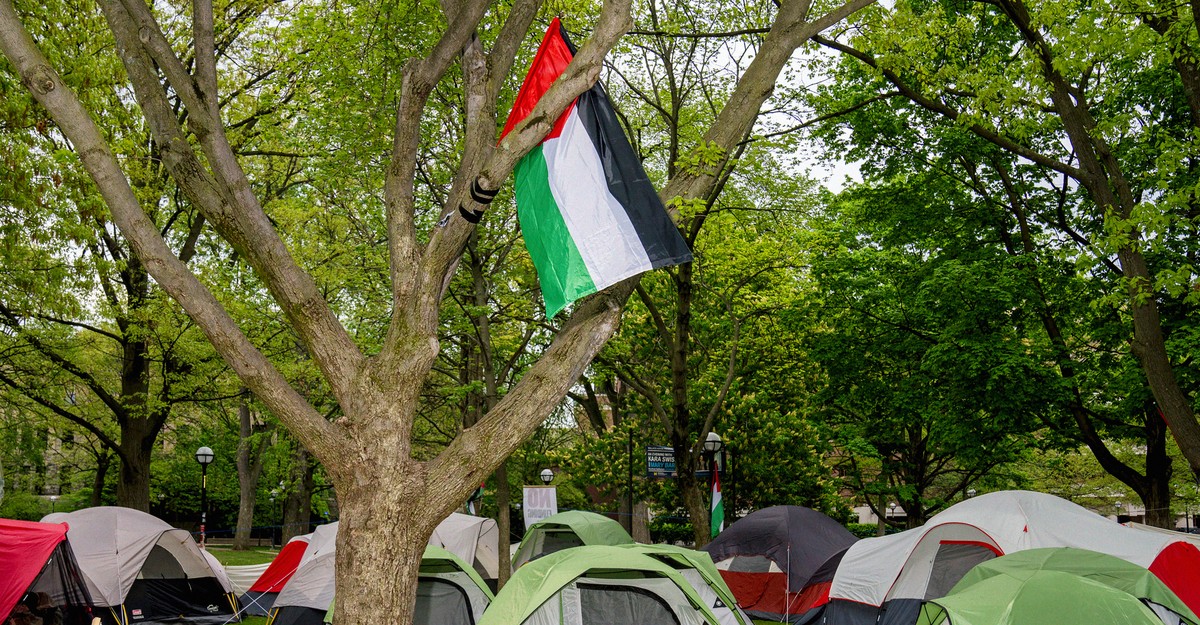
The University of Michigan has issued a formal apology after a history professor, Derek R. Peterson, lauded pro-Palestinian student activists during the universitywide commencement ceremony over the weekend. Peterson, who is also the outgoing chair of the faculty senate, credited these students with "open[ing] our hearts to the injustice and inhumanity of Israel’s war in Gaza." His remarks, delivered on Saturday, quickly circulated online and drew immediate condemnation. The speech occurred against a backdrop of heightened tensions surrounding the conflict in Gaza, which has seen widespread protests on college campuses nationwide. The University of Michigan itself experienced student demonstrations, including encampments and class walkouts, in protest of the war. Peterson’s comments, particularly those highlighting pro-Palestinian activism, were juxtaposed with his earlier praise for historical figures like Moritz Levi, the first Jewish professor at the university, who he said had advanced justice. The juxtaposition, however, did not mitigate the swift backlash that followed the pro-Palestinian segment of his address.
Institutional Apology and Immediate Repercussions
Within hours of the video of Peterson's speech gaining traction online, University President Domenico Grasso released a public apology. Grasso stated that Peterson's comments were "inappropriate and do not represent our institutional position," expressing regret for the "pain this has caused on a day devoted to celebration and accomplishment." He further noted that the professor's delivered remarks "deviated from the remarks he had shared before the ceremony." This swift institutional response, however, did little to quell the ensuing recriminations. Pro-Israel advocates and some Republican officials immediately called for punitive measures against the university. Florida Sen. Rick Scott was among those who publicly demanded that the school be stripped of its federal funding. A Republican member of the university's Board of Regents also signaled that disciplinary action against Professor Peterson might be considered. Prominent Israeli-American investor Adam Milstein took his stance further, urging Jewish individuals to cease all donations to the University of Michigan.
Professor Defends His Remarks
Despite the university's apology and the ensuing political pressure, Professor Derek R. Peterson maintained his stance on his commencement speech. He described the expectation that graduations remain apolitical as "ridiculous." In a statement, Peterson asserted that universities are not merely "finishing schools for polite young men and women" but places that should equip students to confront a "flawed and unjust world." Peterson emphasized the importance of critical reasoning, careful research, and sympathy for the oppressed as tools for students. He also accused the university administration of attempting to remove his speech from the internet, suggesting a desire to suppress his message. His defense aligns with a broader perspective that views academic institutions as arenas for robust debate and critical engagement, even on sensitive geopolitical issues. Peterson's view suggests that a commencement ceremony should not shy away from acknowledging contemporary injustices.
Academic Labor Groups Condemn University's Response
In a joint letter released on Tuesday, a coalition of academic labor organizations, including the American Association of University Professors and the American Federation of Teachers, issued a strong condemnation of the University of Michigan's apology. These groups argued that institutional leaders have a fundamental obligation not only to tolerate faculty speech but to actively defend it, particularly when faced with external political pressure. The letter framed the university's apology as a capitulation to such pressure, undermining the principles of academic freedom. The coalition's statement underscored the view that universities should be spaces where diverse viewpoints can be expressed and debated without fear of institutional reprisal. This defense of faculty speech highlights a growing tension on campuses across the United States, where debates over issues like the conflict in Gaza have become increasingly polarized, often leading to demands for institutional neutrality or, conversely, for strong stances from university leadership.
The Enduring Debate Over Activism and History
Professor Peterson's narrative at commencement drew upon a familiar theme on the left: that progressive activists historically occupy the vanguard of social change. He presented today's pro-Palestinian activists as inheritors of a tradition of brave individuals who defied condemnation to advance justice, suggesting that history ultimately vindicates their causes. This perspective, however, faces criticism for its selectivity. Critics point out that such accounts often omit historical movements or individuals who did not align with a progressive narrative, creating a "survivorship bias" where only successful or ideologically aligned causes are remembered. The history of activism, it is argued, includes instances where left-wing demonstrators opposed aid to allies in the 1940s or advocated against nuclear power in the 1970s. The underlying assumption that progressive activism is inherently on the side of justice can elevate activists into a "priestly class," discouraging scrutiny of their specific positions or methods. This tendency, critics argue, allows potentially flawed ideas to escape critical examination, even when the broader goals of promoting equality or addressing suffering are admirable.
Broader Context of Campus Protests
The controversy at the University of Michigan is emblematic of a wider phenomenon unfolding across American higher education. For the past two years, universities have grappled with intense student activism related to the war in Gaza. These protests have ranged from peaceful demonstrations and teach-ins to more disruptive actions like encampments and walkouts, leading to cancellations of events and heightened campus security. Student groups like Students Allied for Freedom and Equality, which has a chapter at Michigan, are often at the forefront of organizing these pro-Palestine movements. The activism aims not only to draw attention to the conflict but also to influence institutional policies and public discourse. The University of Michigan's experience highlights the complex challenges institutions face in balancing academic freedom, faculty speech, student expression, and the demands of donors and political figures. The incident underscores the difficulty of navigating highly charged geopolitical issues within the academic sphere.
The bottom line
- University of Michigan President Domenico Grasso apologized for Professor Derek R. Peterson's commencement remarks praising pro-Palestinian activists.
- Peterson defended his speech, stating universities should encourage students to confront injustice.
- The incident has led to calls from Republican officials to cut the university's federal funding.
- Academic labor groups defended Peterson's right to faculty speech against external political pressure.
- The controversy reflects broader tensions over free speech and activism on U.S. campuses regarding the Israel-Gaza conflict.
- Critics of Peterson's narrative argue it exhibits a selective view of history, favoring progressive causes.

In War-Torn Sudan, Eid al-Adha Qurbani Meat Is the Only Protein Families Will Eat All Year

Beyoncé Returns to Met Gala After Decade-Long Absence, Co-Chairs 2026 Fundraiser

Nairobi Southern Bypass Closure Set for May 10 Marathon
