Verstappen Dismisses F1 Rule Changes as 'a Tickle' as Drivers Clash Over Engine Future
The reigning champion's critique underscores deepening divisions over the sport's direction ahead of the Miami Grand Prix.
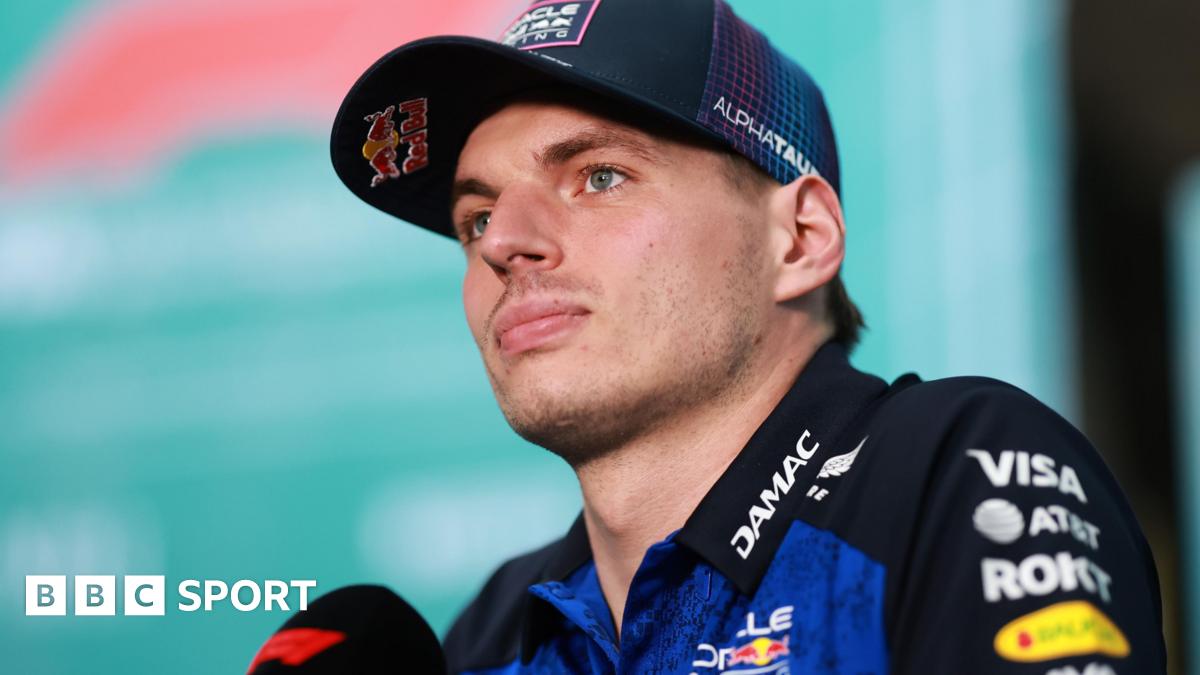
KENYA —
Key facts
- Max Verstappen called the recent F1 rule changes 'a tickle' in addressing driver concerns.
- The new engines have a near 50-50 split between internal combustion and electrical power.
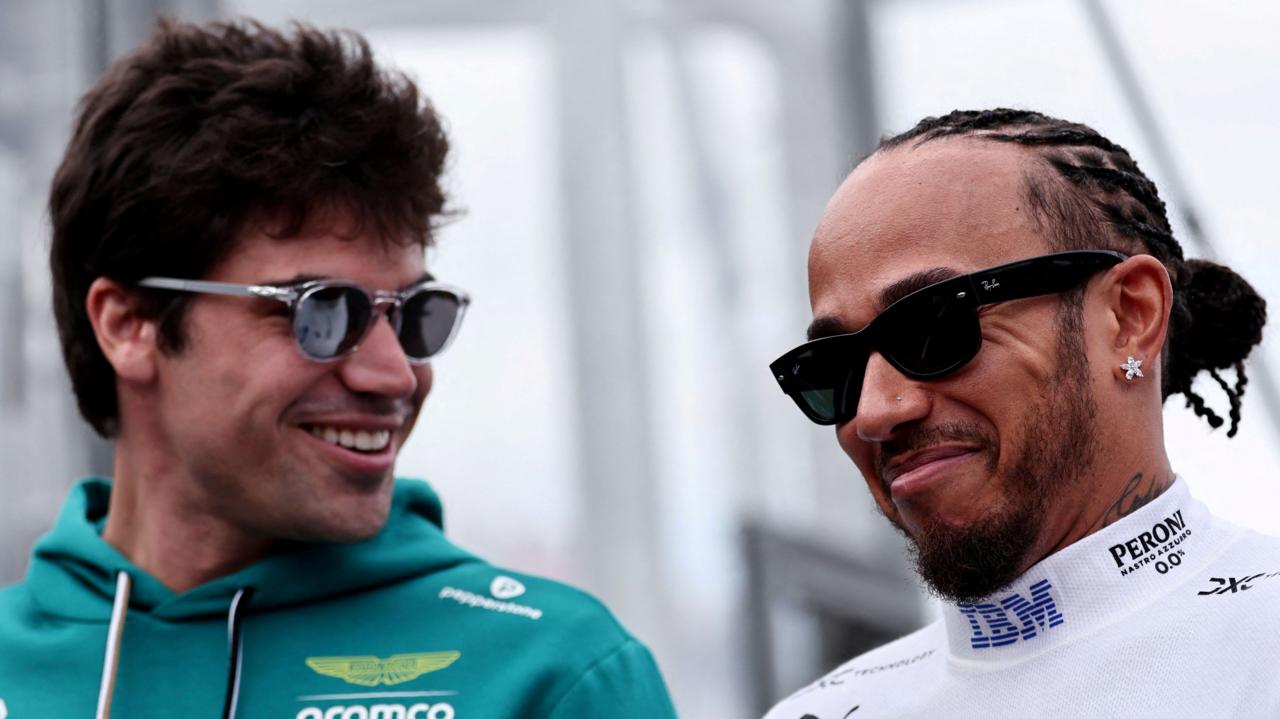
- Aston Martin's Lance Stroll said the new rules are 'fundamentally just so flawed'.
- FIA president Mohammed Ben Sulayem has pushed for a return to V8 or V10 naturally aspirated engines.
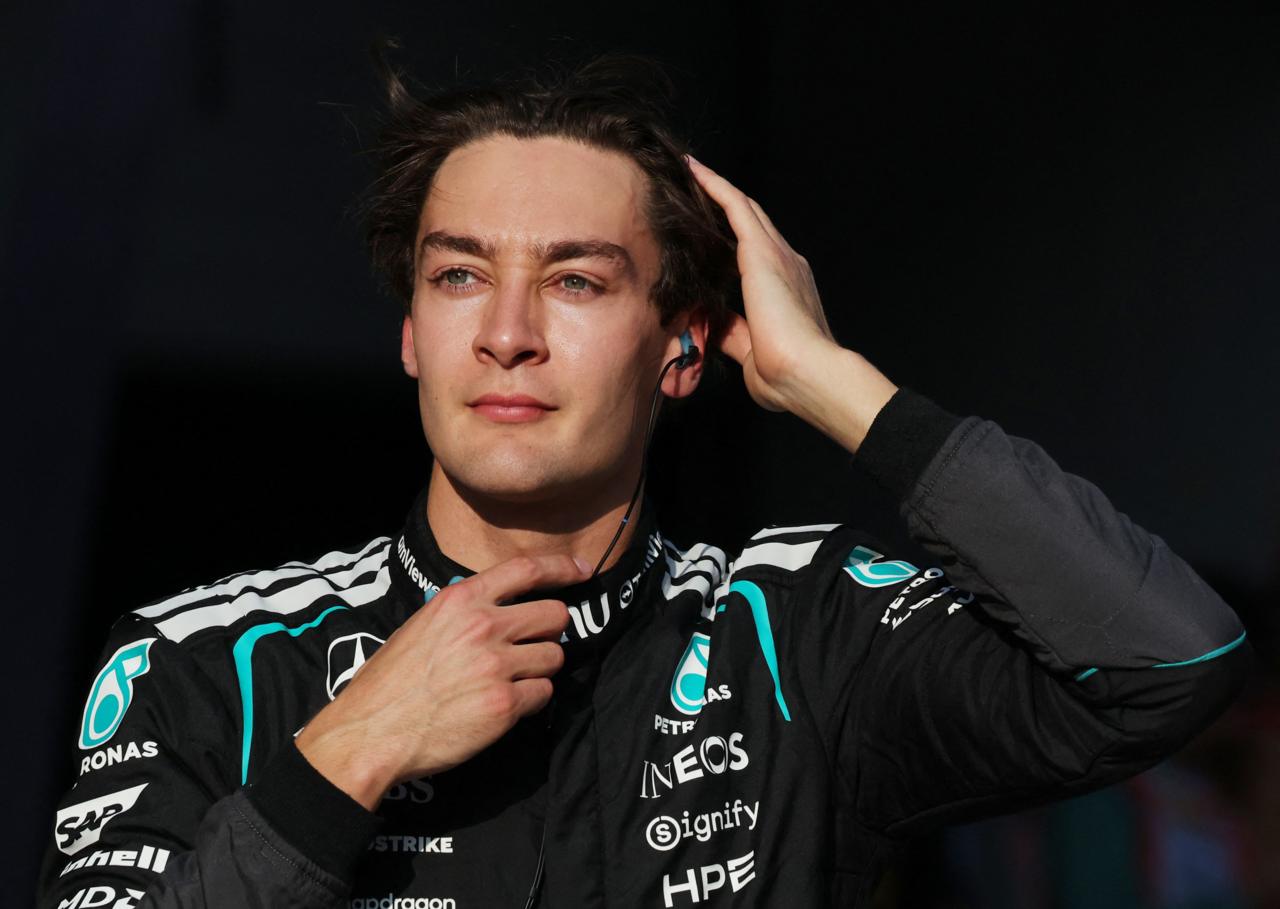
- Mercedes driver expressed interest in sustainable fuel but noted the appeal of a V8 return.
- F1 and the FIA are monitoring weather forecasts for the Miami Grand Prix but have not discussed schedule changes.
Verstappen's Dismissal Highlights Driver Frustration
Max Verstappen has dismissed the latest Formula 1 rule changes as merely 'a tickle,' suggesting they fall far short of addressing the concerns he and other drivers have raised about the current racing style. The Red Bull driver's comments, made ahead of the Miami Grand Prix this weekend, underscore a growing rift between the sport's governing bodies and its competitors. Verstappen's critique comes as F1 prepares for its first sprint race of the season, with practice set for Friday at 5pm and Sprint Qualifying at 9:30pm.
New Engine Regulations Face Backlash
The new power units, designed to feature a near 50-50 split between internal combustion and electrical power, require significant energy management, a factor that has drawn criticism from drivers. Aston Martin's Lance Stroll did not mince words, calling the rules 'fundamentally just so flawed' and lamenting that drivers are still 'far away from proper F1 cars, pushing flat-out without thinking about batteries.' The regulations aim to reduce speed differentials caused when one car deploys its full 350kW (470bhp) of electrical power while another charges its battery, but such changes cannot take effect before next year due to reliability concerns with current engines.
Engine Supplier Disagreements Stall Progress
Any modification to the current engine rules requires approval from at least four of the five engine manufacturers, as well as the FIA and F1. This consensus has proven elusive, leaving the sport in a state of limbo. Meanwhile, FIA president Mohammed Ben Sulayem has been advocating for a return to naturally aspirated V8 or V10 engines, a position he has held for two years and continues to push. The Mercedes driver acknowledged the appeal of such a move, calling it 'pretty cool,' but also highlighted the importance of sustainable fuel, which he described as 'a fantastic topic' for F1.
Miami Grand Prix Weather Concerns Loom
As the Miami Grand Prix approaches, F1 and the FIA are keeping a close eye on the weather forecast. However, no serious discussions about altering the schedule have taken place, though the possibility remains open. The event marks the return of sprint racing, adding an extra layer of complexity to the weekend's proceedings. Live commentary will be available on BBC Radio 5 Live and BBC Radio 5 Sports Extra, with live text updates on the BBC Sport website and app.
The Glory Days vs. Sustainable Future
The debate over engine regulations has reignited nostalgia for what many consider the 'glory days' of Formula 1 in the early 2000s, when V10 engines produced some of the most iconic cars in the sport's history. The Mercedes driver acknowledged that those cars were 'probably the coolest we ever saw in Formula 1.' Yet the push for sustainability remains a key driver of current regulations, with the sport aiming to balance environmental concerns with the raw performance that fans and drivers crave. The tension between these competing visions is likely to persist as F1 navigates its technical future.
What Comes Next for F1's Rulebook
With the current rules facing widespread criticism and the FIA president advocating for a return to naturally aspirated engines, the sport is at a crossroads. The requirement for consensus among engine suppliers and governing bodies makes any swift change unlikely, but the pressure from drivers and teams is mounting. As Verstappen's 'tickle' comment suggests, the current adjustments are seen as insufficient, and more substantial reforms may be necessary to satisfy the sport's key stakeholders. The Miami Grand Prix will provide a temporary focus, but the underlying debate over F1's identity is far from resolved.
The bottom line
- Max Verstappen's dismissal of rule changes as 'a tickle' reflects widespread driver dissatisfaction with the current racing style.
- The new engines' 50-50 power split requires heavy energy management, which drivers like Lance Stroll find fundamentally flawed.
- Any engine rule changes require approval from four of five manufacturers, the FIA, and F1, creating a bottleneck.
- FIA president Mohammed Ben Sulayem continues to push for a return to V8 or V10 naturally aspirated engines.
- The Miami Grand Prix is proceeding as scheduled, with weather monitoring but no schedule changes yet.
- The debate between nostalgic V10 glory days and sustainable fuel technology remains unresolved.


Wood's 200th goal gives Forest Europa League semi-final edge over Villa

Substitute Dorgeles' Stoppage-Time Winner Gives Braga 2-1 First-Leg Lead Over Freiburg

Bodø/Glimt Host Start in Eliteserien Mismatch as Newly Promoted Side Struggles for Form