LG Energy Solution Posts $1.5B Loss as BMW Nears $7.6B Battery Deal
The South Korean battery maker swings to a quarterly operating loss of 207.8 billion won while finalizing a 10 trillion won contract to supply next-generation 46-series cylindrical cells to BMW.
SOUTH KOREA —
Key facts
- Q1 2025 operating loss of 207.8 billion won, reversing from a 374.7 billion won profit a year earlier.
- Revenue fell 2.5% year-on-year to 6.555 trillion won; net loss was 944 billion won.
- The company is close to signing a 10 trillion won (~$7.6 billion) contract to supply 46-series cylindrical batteries to BMW over about 10 years.
- LG Energy Solution has secured over 100 GWh in new orders for 46-series batteries in Q1, boosting its order backlog above 440 GWh.
- Advanced Manufacturing Production Credit (AMPC) under the U.S. Inflation Reduction Act dropped to 189.8 billion won, 41.5% of the 457.7 billion won received in Q1 2024.
- The company's ESS business now accounts for over 25% of total revenue, up from a smaller share, as the portfolio shifts from EVs to power infrastructure.
- LG Energy Solution operates 46-series production at its Ochang plant (8 GWh capacity) and is building a 36 GWh plant in Arizona, with production expected by year-end.
- BMW has also selected China's EVE Energy as a 46-series supplier; Samsung SDI is expected to supply as well.
A Pivotal Quarter: Losses Mount as a Landmark Deal Takes Shape
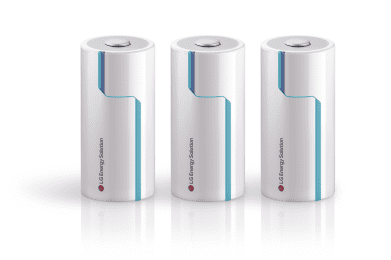
LG Energy Solution, the South Korean battery giant, has swung to an operating loss of 207.8 billion won ($156 million) in the first quarter of 2025, its second consecutive quarterly deficit, as the global electric vehicle slowdown and reduced U.S. tax credits hammer profitability. a 2.5% drop in revenue to 6.555 trillion won and a net loss of 944 billion won, it is on the verge of securing a contract that could reshape its future: a roughly 10 trillion won, 10-year deal to supply BMW with next-generation 46-series cylindrical batteries. If finalized, the agreement would mark the first time LG Energy Solution supplies batteries for BMW's pure electric vehicles. The 46-series cells — 46 millimeters in diameter, a significant upgrade from the current 2170 format — offer 10% higher energy density, five times the capacity, and six times the power output, making them a cornerstone for next-generation high-performance EVs.
The BMW Deal and the 46-Series Race
Industry sources say LG Energy Solution is in the final stages of negotiations with BMW, with the contract value estimated at 10 trillion won and a duration of about a decade. The 46-series batteries are already being produced at LG's Ochang plant in South Korea, which has an annual capacity of 8 GWh. A much larger facility in Arizona, with a planned 36 GWh capacity dedicated to 46-series cells, is on track to begin production by the end of this year, and the company is considering building a 46-series line at its Polish plant as well. BMW has already tapped China's EVE Energy as a 46-series supplier, and Samsung SDI, a long-time partner, is also expected to supply the format. LG Energy Solution's victory in this race would diversify its customer base beyond Tesla, which remains its core client. The company has already signed 46-series supply agreements with Mercedes-Benz, Rivian, Chery Automobile, and Aptera, and in the first quarter alone it secured more than 100 GWh in new orders for the format, pushing its total order backlog above 440 GWh.
Why the Red Ink: AMPC Cuts and EV Demand Slump
The primary driver of LG Energy Solution's losses is the sharp reduction in U.S. tax credits under the Inflation Reduction Act's Advanced Manufacturing Production Credit (AMPC). In Q1 2025, the company received only 189.8 billion won in AMPC, a 58.5% drop from the 457.7 billion won it claimed in the same period last year. This decline reflects both lower battery production volumes and a change in the credit calculation methodology. At the same time, global EV demand remains sluggish, particularly in North America and Europe, where governments have scaled back purchase subsidies. LG Energy Solution's North American operations — including five production sites in Tennessee, Ohio, and elsewhere — are still in their early stabilization phase, incurring initial ramp-up costs. The company also faced reduced shipments of pouch cells to a key North American strategic customer, further squeezing margins.
A Strategic Pivot: From EVs to Energy Storage
Faced with the EV slowdown, LG Energy Solution is accelerating a shift toward energy storage systems (ESS). In the first quarter, ESS revenue grew to account for more than 25% of total sales, up from a much smaller share a year ago. The company's portfolio is being restructured from an EV-centric model to one focused on power infrastructure, a move that helped offset some of the weakness in automotive battery demand. Koo Kwang-mo, chairman of LG Group, recently visited Vertiv, LG Energy Solution's North American ESS subsidiary, where he inspected pouch-type battery cells used in ESS battery packs. The visit underscores the group's commitment to the ESS business as a growth engine. However, the transition is not without pain: the company's overall operating loss widened to 207.8 billion won from a 374.7 billion won profit a year earlier, and net losses reached 944 billion won.
The Broader K-Battery Crisis: Samsung SDI and SK On Also Struggle
LG Energy Solution is not alone in its misery. Samsung SDI, which reported its own losses earlier, is also expected to supply 46-series cells to BMW, but its financial performance has been similarly pressured by the EV downturn. SK On, the third member of the 'K-battery' trio, has not yet released its Q1 results, but analysts forecast an operating loss of around 300 billion won, marking its sixth consecutive quarterly deficit. All three companies are grappling with the same headwinds: reduced AMPC benefits, lower EV demand in key markets, and the high cost of expanding production capacity. The battery industry is in a 'dark tunnel,' as one analyst put it, with no immediate sign of a turnaround in EV sales. Yet the race to secure next-generation battery contracts — particularly the 46-series format — is intensifying, as automakers bet on higher-performance cells to revive consumer interest.
What Comes Next: Production Ramp-Up and Market Recovery Hopes
LG Energy Solution is betting that its 46-series production capacity will give it a competitive edge when the EV market eventually recovers. The Arizona plant, with its 36 GWh capacity, is expected to come online by the end of 2025, and the company is evaluating a 46-series line in Poland to serve European automakers. The BMW deal, if signed, would provide a stable revenue stream for a decade and help fill that capacity. But the near-term outlook remains challenging. The company's operating loss in Q1 was worse than many analysts had expected, and the net loss of 944 billion won — including one-time items — raises questions about cash flow and investment capacity. Management has signaled that the ESS business will continue to grow, and that the company is positioning itself for a recovery in European EV demand later this year. Whether that recovery materializes in time to offset the current losses is the open question.
A Calculated Gamble on the 46-Series Future
LG Energy Solution's strategy is a high-stakes bet: absorb short-term losses from the EV slowdown and AMPC cuts while pouring investment into 46-series production capacity, then reap the rewards when automakers like BMW, Mercedes-Benz, and Rivian launch their next-generation EVs. The company's order backlog of over 440 GWh — much of it in the new format — suggests that customers are placing their bets alongside it. Yet the risks are considerable. The 46-series is still a relatively new technology, and scaling production to 36 GWh in Arizona and beyond will require flawless execution. The broader K-battery sector is under pressure from Chinese rivals like CATL and BYD, which have been gaining market share globally. For LG Energy Solution, the BMW deal could be the lifeline that secures its place in the next wave of electrification — or a costly diversion if the EV market takes longer to rebound than expected.
The bottom line
- LG Energy Solution posted a Q1 2025 operating loss of 207.8 billion won, its second straight quarterly deficit, as AMPC credits fell 58.5% and EV demand remained weak.
- The company is close to a 10 trillion won, 10-year deal to supply 46-series cylindrical batteries to BMW, its first contract for BMW's pure EVs.
- 46-series cells offer 10% higher energy density, 5x capacity, and 6x power vs. 2170 cells; production is underway in Ochang, with a 36 GWh Arizona plant due by year-end.
- ESS revenue now accounts for over 25% of total sales, signaling a strategic pivot from EVs to power infrastructure.
- Order backlog exceeded 440 GWh after securing over 100 GWh in new 46-series orders in Q1.
- Samsung SDI and SK On are also struggling; SK On is expected to post a 300 billion won loss for its sixth consecutive quarterly deficit.



KT 위즈, KIA 꺾고 20승 선착…장성우 9회 결승타

17기 순자, 뒤늦은 후회의 눈물… '나는 솔로' 31기 영숙 직진 논란까지

YG Entertainment Unveils Five-Member Boy Group for September Debut Alongside 'Next Monster' Girl Group
