South Korea's President Lee Jae-myung Makes G7 Summit His First Overseas Trip
Lee arrives in Calgary for a three-day visit, seeking bilateral talks and a diplomatic breakthrough amid US trade pressures.
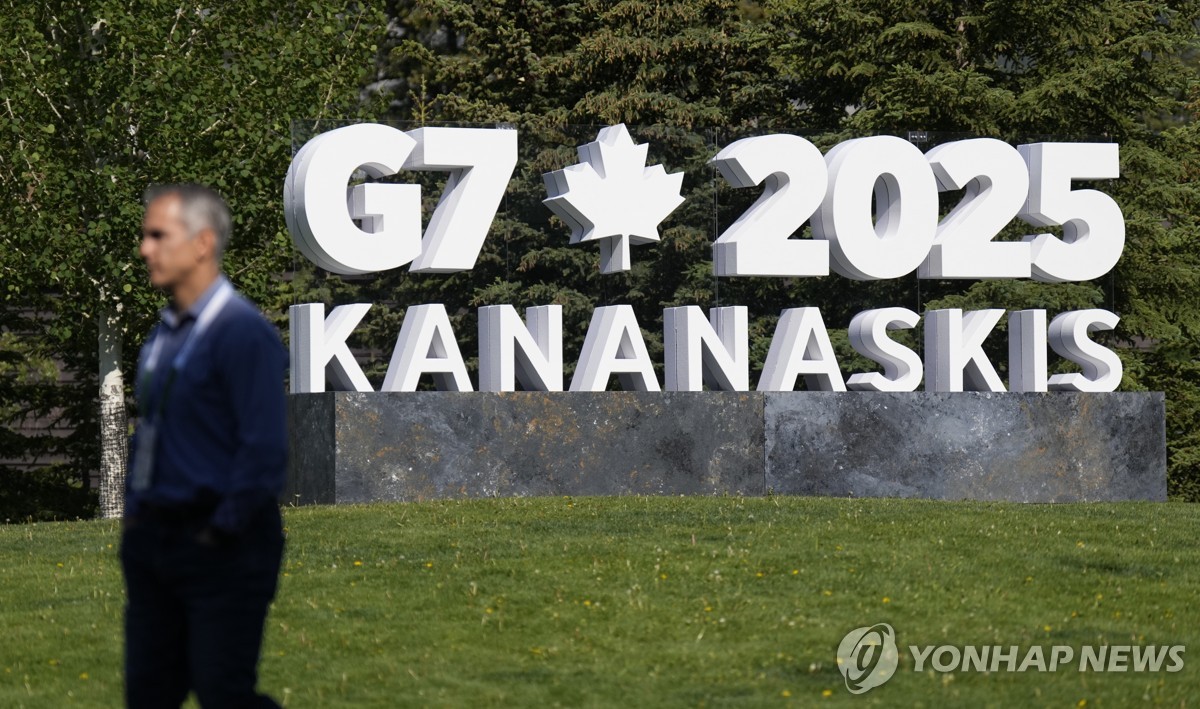
SOUTH KOREA —
Key facts
- President Lee Jae-myung departs for Canada on June 16 for a 1-night, 3-day G7 summit trip.
- Lee will attend the G7 summit in Calgary, Canada, on June 16-17.
- South Korea is one of seven invited guest nations, alongside Australia, Brazil, India, Mexico, South Africa, and Ukraine.
- Lee is scheduled to hold bilateral meetings with key leaders on the first day.
- A possible meeting with Ukrainian President Volodymyr Zelenskyy is being prepared.
- Lee will speak on energy supply chain diversification and AI-energy linkage during the expanded session on June 17.
- National Security Advisor Wi Sung-lac said the summit is a chance for 'practical diplomacy centered on national interests'.
- Lee returns to South Korea late on June 18.
Lee's Diplomatic Debut at the G7
President Lee Jae-myung landed in Calgary on Monday afternoon, embarking on his first overseas trip since taking office just four days ago. The three-day visit to the Group of Seven summit marks a swift return to multilateral diplomacy for South Korea, which had been in a diplomatic lull for six months. Lee is one of seven invited guest leaders at the summit, joining counterparts from Australia, Brazil, India, Mexico, South Africa, and Ukraine. The expanded session on Tuesday will bring together all G7 members and the invited nations.
Bilateral Meetings and the Prospect of a Trump Encounter
On the first day, Lee is scheduled to hold bilateral meetings with key leaders. A senior official from the presidential office confirmed that a meeting with Ukrainian President Volodymyr Zelenskyy is possible, stating, 'There may be an opportunity to talk, and we are preparing for it.' Attention is also focused on whether Lee will meet with US President Donald Trump and Japanese leaders. National Security Advisor Wi Sung-lac said on Sunday that the schedule for bilateral talks is being coordinated with several countries. indicated that a South Korea-US summit could be finalized within June.
Energy and AI: Lee's Agenda for the Expanded Session
During the expanded session on Tuesday, Lee is expected to address energy supply chain diversification and the linkage between artificial intelligence and energy. The presidential office views the summit as a platform to advance South Korea's economic interests amid ongoing US trade pressures. Wi Sung-lac described the gathering as 'a meeting of leaders from major countries leading the global economy,' adding that it provides 'a good opportunity to take the first step in practical diplomacy centered on national interests.' He expressed hope that the summit would contribute to economic recovery and improving people's livelihoods.
Domestic Controversy Over G7 Invitation
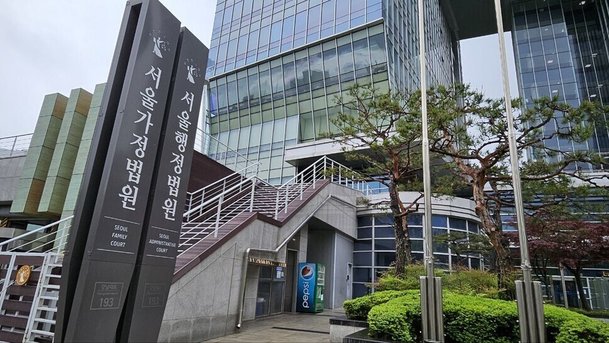
The trip has been shadowed by a domestic legal dispute. A local election candidate who lost in a recent by-election filed a lawsuit against President Lee and the foreign minister, claiming that the government improperly requested the G7 invitation. The plaintiff argued that the foreign minister rejected his request for information about the invitation process. According to the lawsuit, the foreign minister denied the request on May 16, citing that disclosure could harm diplomatic relations. The court is reviewing the case, and a ruling is expected soon. The foreign ministry has maintained that the invitation was extended by Canada, and that any claims of improper lobbying are unfounded.
Strategic Stakes: Trade, Security, and Diplomatic Momentum
Lee's participation comes at a critical juncture for South Korea. The country faces persistent US trade pressure, and the summit offers a chance to build bridges with key partners. Wi Sung-lac emphasized that the summit would help 'lay a bridgehead to resolve pending issues.' The trip also signals a restoration of summit diplomacy after a six-month hiatus. Lee's predecessor had not attended any multilateral summits, and the new administration is keen to reassert South Korea's role on the global stage.
What Comes Next: Return and Follow-Up
After concluding his G7 schedule, President Lee is expected to return to South Korea late on June 18. The presidential office will then focus on follow-up measures, including possible bilateral agreements and further diplomatic engagements. Analysts will watch for any concrete outcomes from Lee's bilateral meetings, particularly with US and Japanese leaders, as well as any progress on energy and AI cooperation.
A Calculated First Step
Lee's choice of the G7 summit for his debut overseas trip underscores his administration's priority on economic diplomacy and alliance management. By engaging with world leaders on energy and technology, Lee aims to position South Korea as a proactive player in global governance. The success of this trip will be measured not only by the number of bilateral meetings but by tangible advances in trade and security cooperation. For now, the president has taken a calculated first step onto the world stage.
The bottom line
- President Lee Jae-myung made the G7 summit in Canada his first overseas trip, signaling a return to active diplomacy.
- Lee is scheduled for bilateral meetings with key leaders, including a possible session with Ukraine's Zelenskyy.
- The summit agenda includes energy supply chain diversification and AI-energy linkage, reflecting South Korea's economic priorities.
- A domestic lawsuit alleges improper lobbying for the G7 invitation, but the government denies any wrongdoing.
- The trip aims to address US trade pressures and restore South Korea's diplomatic momentum after a six-month gap.
- Lee returns on June 18, with follow-up actions expected on bilateral agreements and cooperation.


Shedge's 57, Sundar's 40 lead Gujarat Titans to tense four-wicket win over Punjab Kings

Mainoo strike seals Champions League return as Man United beat Liverpool 3-2

Vietnam's XSMB Lottery: A Daily Ritual of Hope and Data-Driven Obsession
