U.S. Strikes Iranian Fast Boats in Strait of Hormuz as Ceasefire Frays
President Trump orders destruction of seven Iranian vessels under 'Project Freedom', while Iran claims warning shots at missile and drone attacks.
KUWAIT —
Key facts
- U.S. helicopters destroyed seven Iranian fast boats in the Strait of Hormuz on Monday.
- President Trump's 'Project Freedom' aims to help stranded vessels and seafarers exit the strait.
- Iran insists the strait is closed and says it fired warning shots at U.S. destroyers; Washington denies any warship was hit.
- UAE defences engaged 15 Iranian missiles and four drones; a drone strike sparked a fire at the Fujairah oil industry zone, wounding three Indian nationals.
- South Korea is investigating a suspected strike on a cargo vessel after an explosion in its engine room.
- Senior U.S. officials said the U.S. is closer to resuming major combat operations than 24 hours earlier.
- The U.S. military 'stands ready to respond' and is 'rearmed and retooled,' but no orders to end the ceasefire have been given.
Escalation in the Strait
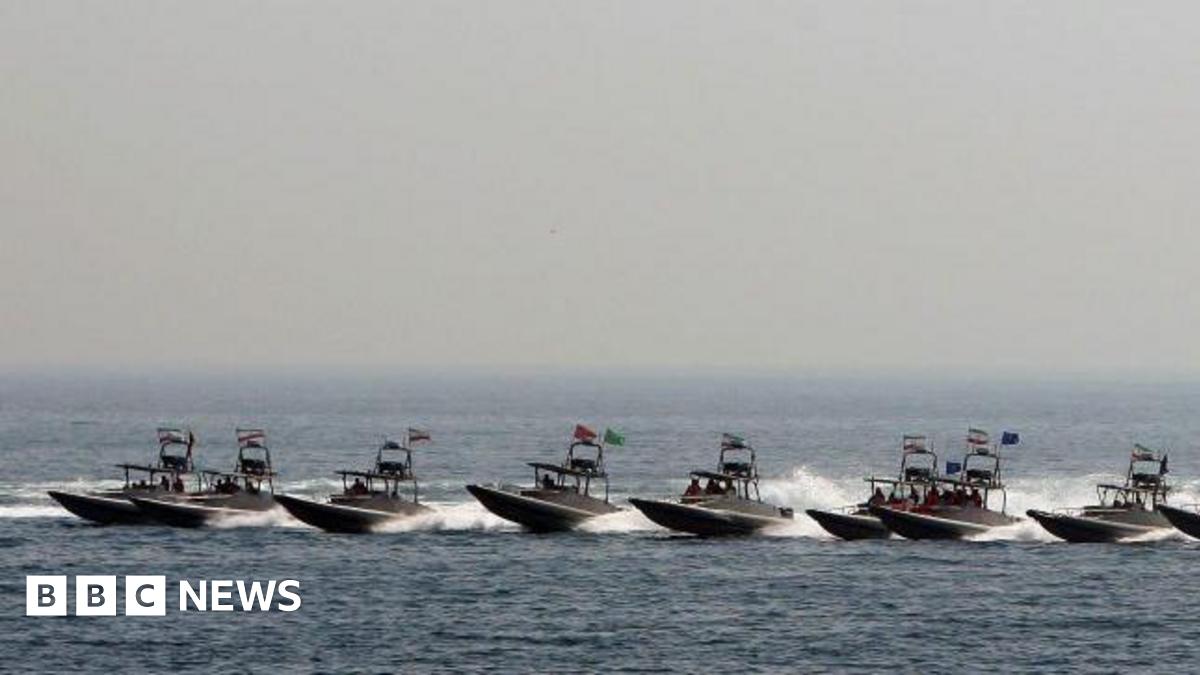
The United States struck seven Iranian fast boats in the Strait of Hormuz on Monday, President Donald Trump announced, as hostilities in the vital waterway intensified. The operation, carried out by helicopter under the banner of 'Project Freedom,' is part of a U.S. effort to assist stranded commercial vessels and seafarers exit the strait. Iran, however, continues to insist the strait is closed and claims its forces fired warning shots at U.S. destroyers. Washington has denied that any American warship was hit. The duelling narratives underscore the fragility of the U.S.-Iran ceasefire, which now faces its most severe test since it took effect.
Project Freedom and the Ceasefire at Risk
Senior U.S. officials said Monday that the country is edging closer to restarting major combat operations against Iran, with the final decision resting with President Trump and Tehran’s new leadership. 'We are closer to the resumption of major combat operations than we were 24 hours ago after Iran fired on US vessels and targeted UAE today with missiles and drones and fast boats,' officials told Chief National Security Correspondent Jennifer Griffin. Major General Ali Abdollahi of the Iranian military has stated that Trump's 'Project Freedom' would constitute a violation of the fragile ceasefire. No orders to end the ceasefire have been given, officials said, but the U.S. military 'stands ready to respond' and is 'rearmed and retooled.'
UAE Under Fire: Missiles and Drones Strike Oil Facility
its defences engaged 15 Iranian missiles and four drones on Monday, and accused Tehran of a drone strike on the Fujairah oil industry zone. The attack left three people injured, all Indian nationals, and sparked a fire at the facility. two cargo vessels ablaze off the UAE coast. The incidents mark a significant broadening of the conflict beyond the Strait of Hormuz, drawing in regional infrastructure and civilian shipping.
U.S. Rules of Engagement: Preemptive Strikes Authorized
A well-placed U.S. defense official outlined the authorities granted to commanders on scene: 'The commanders on scene have all the authorities they need to protect themselves and commercial shipping.' The official added that a commander can strike 'if US forces see missile launchers moving or identity missiles being put on the rails or identify targets of opportunity that threaten commercial shipping.' 'We preserve the right to eliminate those threats. We don’t have to wait. We can anticipate and preempt. There is a level of maneuverability,' the official said. 'We can hit a known threat. We don’t have to wait until Iran fires first.'
Global Shipping in the Crosshairs
Shipping company Maersk confirmed that one of its commercial vessels was able to exit the Gulf accompanied by the U.S. military. Meanwhile, South Korea announced it is investigating a 'suspected strike' on a cargo vessel in the strait after a reported explosion in the ship's engine room. The developments have raised alarm among international shipping lines, which rely on the Strait of Hormuz for the transit of about 20% of the world's oil. The U.S. military has focused on defensive actions to protect ships in the Gulf, but the threat to commercial vessels remains acute.
The Fragile Ceasefire Holds—For Now
Despite the escalation, no orders have been received to restart the bombing campaign. 'There has been no un-pause of the ceasefire,' officials said. The decision to resume major combat operations remains a political one, resting with President Trump and Iran’s leaders. For now, the U.S. military is limited to defensive operations, but the authorities granted to commanders allow for preemptive strikes against threats. The situation remains fluid, with both sides accusing the other of violating the ceasefire.
Stakes for the Region and Beyond
The confrontation in the Strait of Hormuz and the attacks on the UAE represent the most serious challenge to the U.S.-Iran ceasefire since it was established. The involvement of regional powers like the UAE and the potential for disruption to global oil supplies heighten the stakes. As the U.S. and Iran trade accusations and military actions, the international community watches closely. The coming days will determine whether the ceasefire can be salvaged or whether the region slides back into full-scale conflict.
The bottom line
- The U.S. struck seven Iranian fast boats in the Strait of Hormuz under 'Project Freedom,' escalating tensions with Iran.
- Iran claims it fired warning shots at U.S. destroyers and insists the strait is closed; Washington denies any warship was hit.
- UAE suffered missile and drone attacks, including a strike on the Fujairah oil zone that wounded three Indian nationals.
- Senior U.S. officials say the country is closer to resuming major combat operations, but no orders to end the ceasefire have been given.
- U.S. commanders have authority to conduct preemptive strikes against threats to commercial shipping.
- The ceasefire remains in place but is severely tested, with the decision to resume combat resting with Trump and Iran's leadership.

US Embassy Warns Citizens in UK to Avoid Schools and Churches as Threat Level Raised to ‘Severe’

UAE Intercepts 12 Ballistic Missiles, 3 Cruise Missiles, and 4 Drones in Renewed Iranian Attacks

Mohammad Ali fined 10% of match fee for PSL Code of Conduct breach in Eliminator 2