Miranda Priestly Meets Metrics: ‘The Devil Wears Prada 2’ Hits Theaters as a Satire of Fashion’s Digital Reckoning
Twenty years after the original, the sequel follows Runway’s editor as she navigates mass layoffs, brand power shifts, and a media world ruled by clicks—while luxury houses that once shunned the film now clamor for cameos.

KUWAIT —
Key facts
- The film premieres in 60 countries simultaneously on April 30, 2026 (Egypt) and May 1, 2026 (U.S. and others).
- Original cast returns: Meryl Streep, Anne Hathaway, Emily Blunt, Stanley Tucci; new cast includes Kenneth Branagh, Lucy Liu, Justin Theroux, Simone Ashley, B.J. Novak, and Pauline Chalamet.
- Director David Frankel and screenwriter Aline Brosh McKenna reunite for the sequel.
- The plot centers on Miranda Priestly’s struggle to keep Runway afloat amid print journalism’s decline and the rise of digital metrics.
- Emily Blunt’s character, Emily Charlton, now works for a luxury brand and wields power over her former boss.
- Early press screenings drew praise for its ‘charming’ and ‘delightful’ tone, though some critics note it lacks the original’s ‘pained, human relatability.’
- Luxury brands that refused to lend clothes for the 2006 film now eagerly provide pieces and cameos, including Donatella Versace.
- Anna Wintour appears on the May 2026 Vogue cover with Meryl Streep, photographed by Annie Leibovitz and styled by Grace Coddington.
A Sequel Born from a Changed World
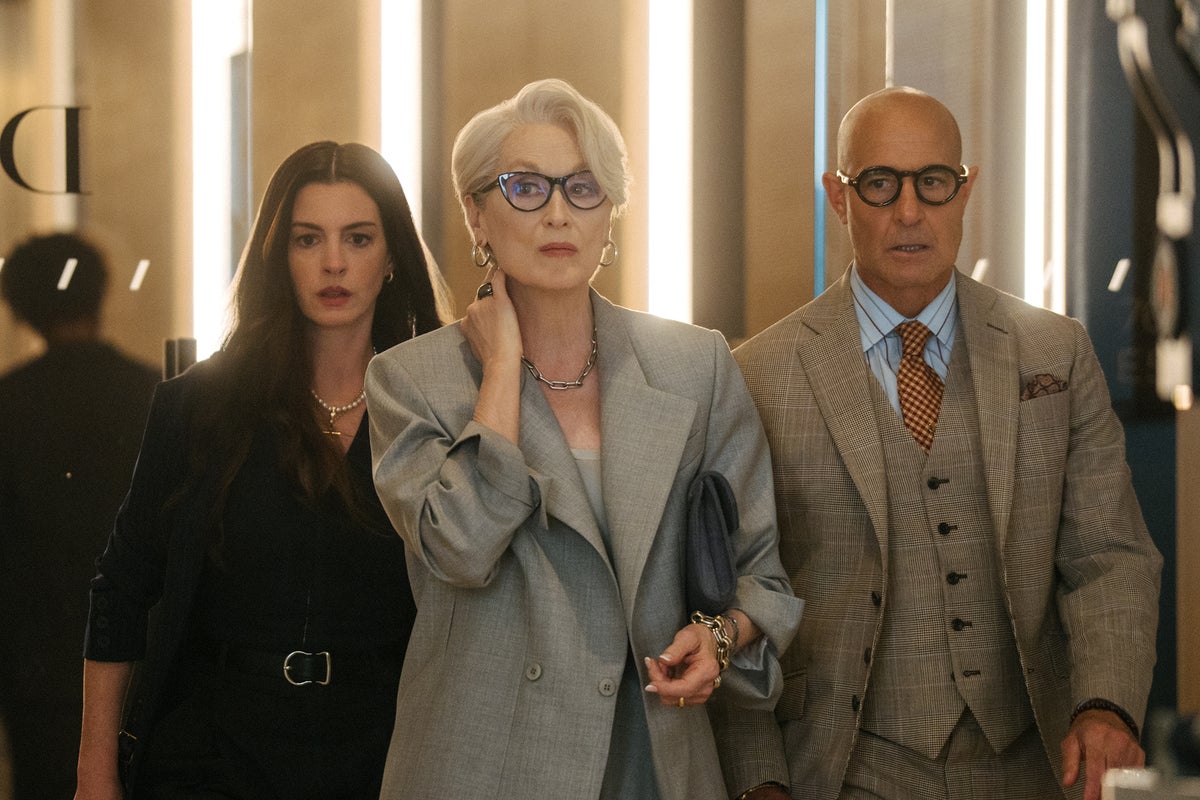
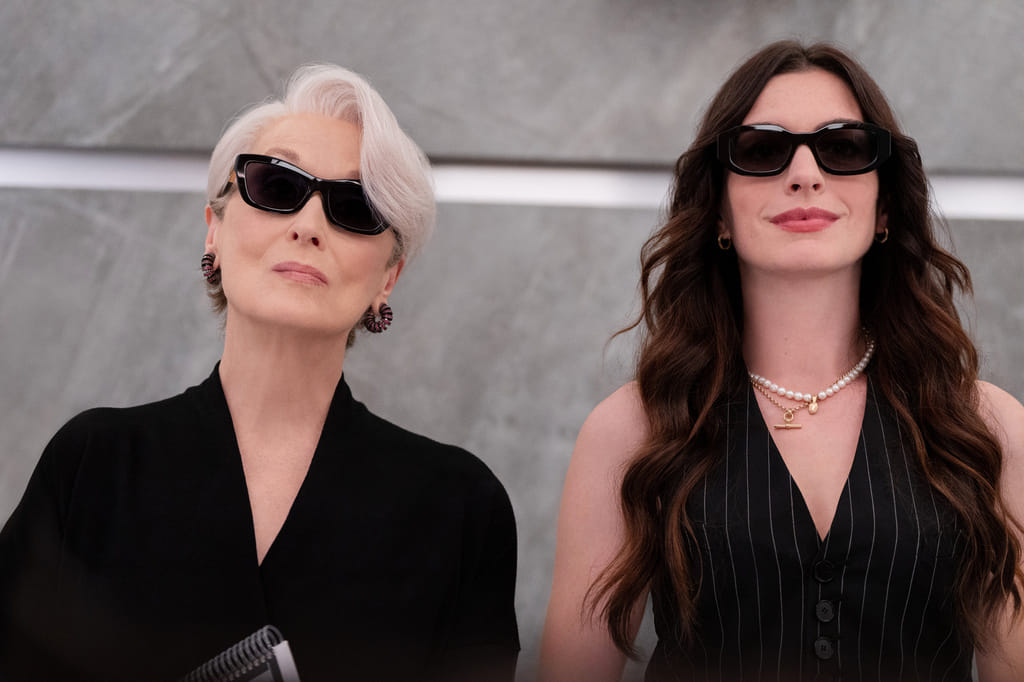
Twenty years after The Devil Wears Prada became a cultural touchstone, its sequel arrives in theaters on April 30 in Egypt and May 1 globally, rolling out across 60 countries simultaneously. The film reunites the original core cast—Meryl Streep as Miranda Priestly, Anne Hathaway as Andy Sachs, Emily Blunt as Emily Charlton, and Stanley Tucci as Nigel Kipling—and adds Kenneth Branagh, Lucy Liu, Justin Theroux, Simone Ashley, B.J. Novak, and Pauline Chalamet. Director David Frankel and screenwriter Aline Brosh McKenna, both returning from the first film, have crafted a story that directly confronts the upheavals that have reshaped fashion media since 2006. The plot follows Miranda Priestly as she battles to keep Runway magazine relevant in an era where digital metrics, clicks, and engagement have supplanted editorial instinct and authority. The power dynamic that once placed editors on a pedestal has inverted: luxury brands now hold the upper hand, and magazine staffers face mass layoffs and shrinking budgets. In one striking scene, a collective phone beep announces layoffs during an awards night—a moment that mirrors real-world newsroom cuts.
The Reversal of Fortunes Between Editors and Brands
The sequel’s central tension revolves around the shifting balance of power between magazine editors and luxury houses. Emily Blunt’s character, Emily Charlton, has left Runway to work for a luxury brand, and now finds herself in a position to dictate terms to her former boss. Editors who once dictated taste according to their whims must now court commercial partners they previously considered beneath them. The film’s screenwriter, Aline Brosh McKenna, noted the irony that businesses satirized in both movies have enthusiastically embraced the sequel. ‘It has kind of blown our minds how much we have been embraced by businesses that we poked fun at in the first movie and continue to poke fun at in the second movie,’ she said. This reversal is mirrored in the real-world reception of the franchise. When Lauren Weisberger’s novel was published in 2003, fashion insiders denounced it as high treason, and designers refused to lend clothes for the 2006 film for fear of offending Vogue. Two decades later, the sequel is ‘bursting at the seams with eagerly lent designer pieces,’ and cameos from Versace and other industry insiders are plentiful. Donatella Versace hosted the London premiere after-party at the National Gallery, beneath Paul Delaroche’s The Execution of Lady Jane Grey.
Early Critical Reception: Charm Amid a Step Down
Press screenings held on Monday night before the official release generated a wave of early social media reactions. Yahoo Entertainment’s chief film critic Brett Arnold declared the film ‘quite charming and fun, despite that awful trailer,’ predicting it ‘will be a massive hit.’ Actor and producer Alex Hammerli called it ‘beyond amazing… like holy s*** we are so back.’ WatchMojo writer Nick Spake described it as ‘a legacy sequel that not only sees the characters grow, but also reflects how the world has changed,’ praising its ‘surprisingly timely exploration of modern media.’ However, several critics noted that the sequel does not match the original’s impact. Next Best Picture’s Dan Bayer wrote that while ‘the cast is so good that it’s still fun,’ the film is ‘not a classic like the first.’ Freelance entertainment reporter Jonathan Sim called it ‘an acceptable, notable step down from the original,’ adding that ‘the story lacks the pained, human relatability of the OG.’ Critics’ Choice member Grace Randolf observed that the film is ‘more slice of life than slice of cake & that’s both good and bad.’ The Independent’s Clarisse Loughrey had previously given a two-star review to another long-delayed sequel, Freakier Friday, raising concerns that The Devil Wears Prada 2 might fall into the same trap—but early reactions suggest it avoids that fate.
The Real-World Context: Print’s Decline and Digital Dominance
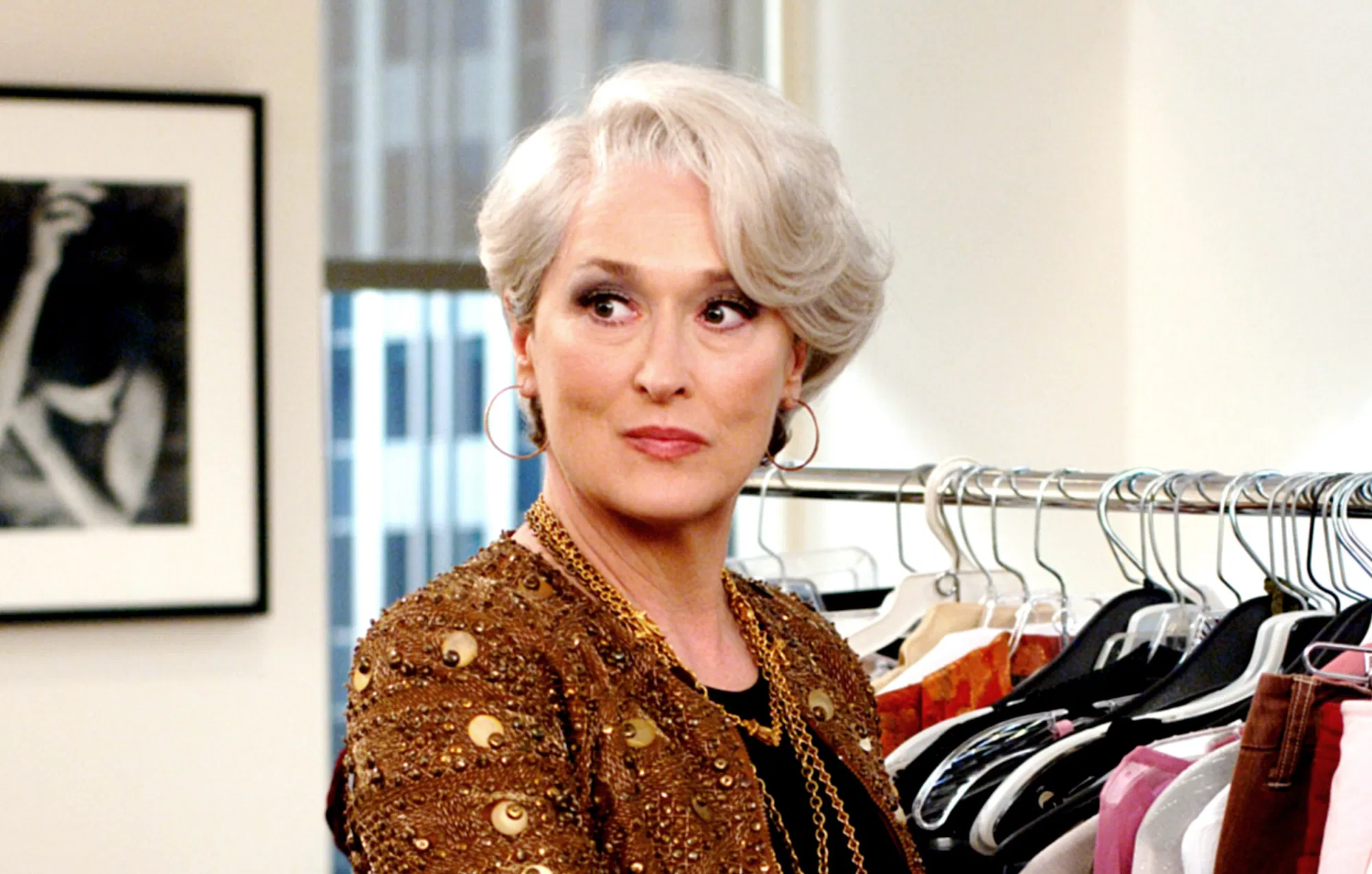
The film’s plotline—Miranda Priestly steering Runway through the collapse of print publishing—resonates with an industry that has been turned upside down. Director David Frankel said, ‘The media business is frightening today. The same is true of Hollywood. There’s a terrible contraction – we all see the tsunami of AI coming and we are all just doing anything we can to survive.’ The sequel addresses these pressures head-on, with Frankel noting that while the first film was a coming-of-age story, ‘this one is about values and morals.’ He added, ‘I see Miranda as heroic. She’s steering a ship through rough water and determined to find land.’ Glossy magazine staffers who attended the premiere described the plot, off the record, as ‘close to the bone.’ The film touches on female rivalry and camaraderie without descending into cattiness, acknowledging that women often have to work twice as hard only to find the rules shifting. One of the film’s most honest moments comes when Miranda tells Emily she will never be a visionary, only a vendor—a cutting remark that lingers with dismay and self-doubt.
Anna Wintour’s Enduring Presence and the Aging of Icons
The publicity around the sequel underscores how Anna Wintour, the real-life editor who inspired Miranda Priestly, has emerged from two bruising decades unscathed. A year after stepping down from the editor’s chair at American Vogue, she appears on the May 2026 cover alongside Meryl Streep—a clear signal that she remains the industry’s leading lady. The cover, photographed by 76-year-old Annie Leibovitz and styled by 84-year-old Grace Coddington, features two 76-year-old women, highlighting changing attitudes toward older women in fashion and media. The film itself, while satirizing the industry’s demise, has become a beloved part of fashion’s self-mythology. Editors and designers are falling over themselves to be associated with the hype. The contrast with 2003, when the novel was seen as a betrayal, could not be starker. As Frankel put it, ‘What is amazing about fashion is that it never loses its appeal. Humans are drawn to beauty and to glamour and to remaking our identities using clothing.’
What Comes Next: Box Office Expectations and Cultural Impact
With early buzz labeling the film ‘charming’ and ‘delightful,’ and predictions of a ‘massive hit,’ The Devil Wears Prada 2 is poised for a strong opening weekend. The simultaneous release in 60 countries suggests a coordinated global marketing push, and theaters in Egypt are advising advance bookings, especially for weekend shows. The film’s exploration of modern media—how we consume it, how icons work harder than ever to remain visible—arrives at a moment when the fashion and publishing industries are still grappling with digital disruption. Yet the sequel also raises open questions. Can a film that packages messy real-world power plays into neat narrative arcs truly capture the chaos of today’s newsrooms? Critics have noted that the story sometimes feels too convenient. And while the cast’s chemistry is widely praised, the absence of the original’s raw relatability may leave some viewers wanting. For now, the film stands as both a nostalgic reunion and a timely commentary—one that, in the words of Next Best Picture’s Matt Neglia, ‘may not aim for high art, but you can feel the passion from everyone shining through all the glitz and glamor, making for a comforting and entertaining watch.’
The bottom line
- The Devil Wears Prada 2 premieres April 30 (Egypt) and May 1 (2026) in 60 countries, with the original cast and director returning.
- The plot centers on Miranda Priestly’s struggle to adapt Runway to a digital-first world where metrics and brand partnerships dominate.
- Luxury brands that once boycotted the franchise now eagerly participate, reflecting a power shift from editors to commercial partners.
- Early critical reception is mixed: praised for charm and timeliness, but noted as a step down from the original’s emotional depth.
- Anna Wintour’s Vogue cover with Meryl Streep underscores her enduring influence and the industry’s changing attitudes toward older women.
- The film serves as both a satire of fashion media’s decline and a celebration of its enduring glamour.



مصطفى زيكو يمنح بيراميدز التقدم بهدف ثانٍ في شباك إنبي بالدقيقة 27
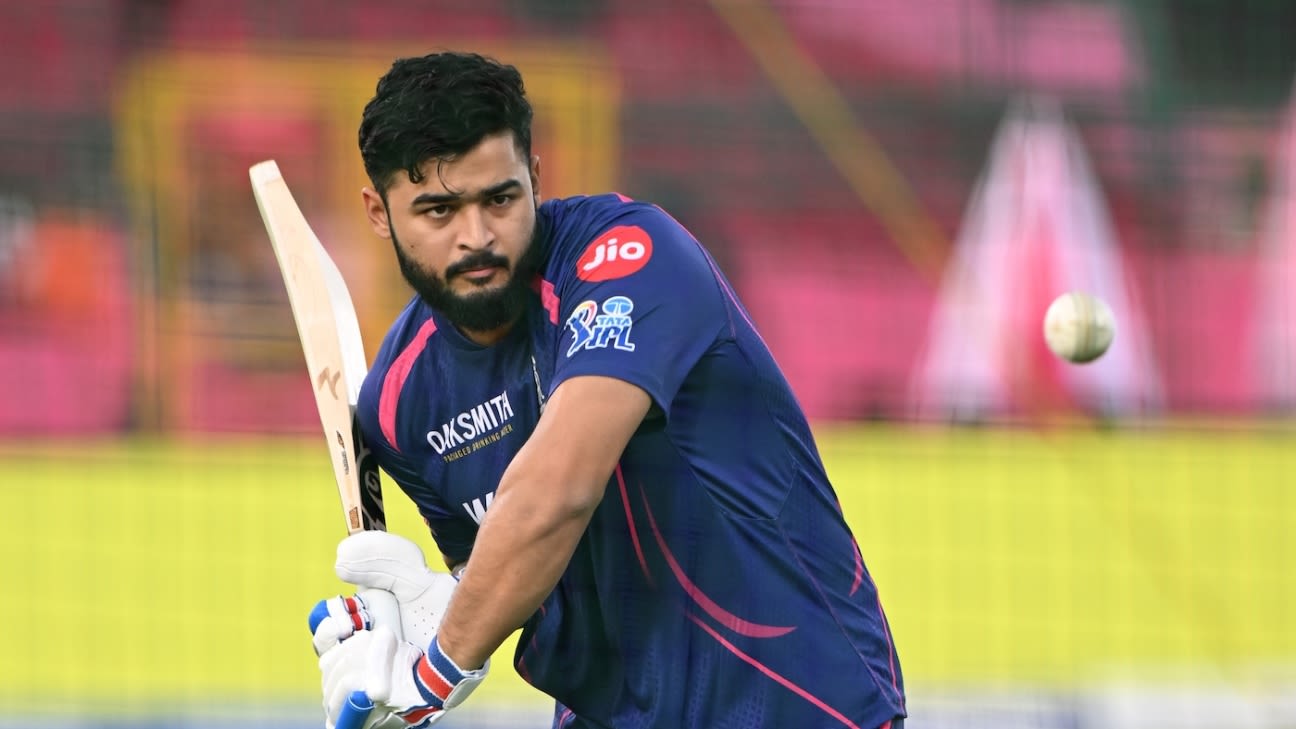
Riyan Parag faces possible IPL ban after vaping in Rajasthan Royals dressing room
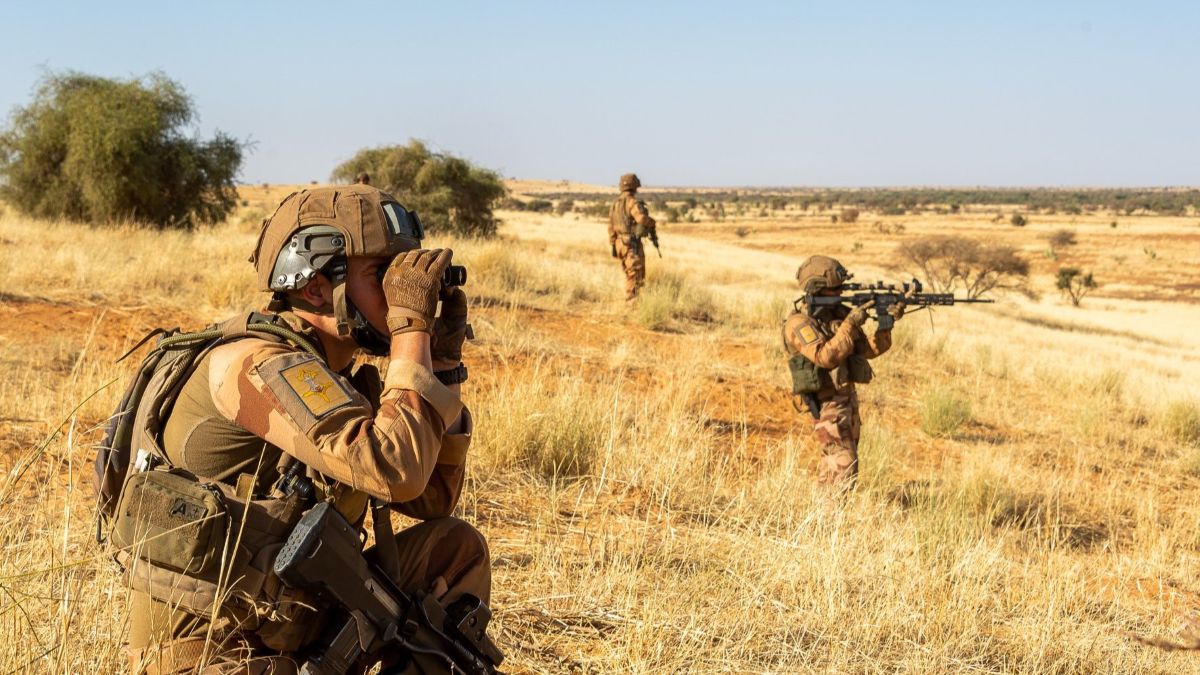
Coordinated Attacks on Malian Military Sites Raise Fears of Sahel Collapse