Lithuania's renewable energy surge drives 10% rise in Q1 electricity generation
Wind and solar output hit record shares, but cold weather and growing demand push consumption up 12.4% and imports 20% higher.

LITHUANIA —
Key facts
- Lithuania generated 2.784 TWh of electricity in Q1 2025, up 10% year-on-year.
- Renewable sources (wind, solar, hydro) produced 1.933 TWh, a 29% increase, accounting for 69.4% of total generation.
- Wind output rose 28% to 1.461 TWh; solar surged 65% to 0.314 TWh; hydro grew 2% to 0.097 TWh.
- Thermal plant generation fell 22% to 0.719 TWh.
- Total electricity consumption reached 3.592 TWh, up 12.4% from 3.195 TWh a year earlier.
- Industrial consumption rose 5% to 1.198 TWh; services and households each grew 15% to 1.161 TWh.
- Electricity imports increased 20% to 1.937 TWh, with imports from Latvia tripling to 0.892 TWh.
- Exports rose 8% to 0.627 TWh, with exports to Sweden quadrupling to 0.158 TWh.
Record renewable output reshapes Lithuania's power mix
Lithuania's electricity generation rose 10% in the first quarter of 2025 compared to the same period last year, driven by a surge in renewable energy production, according to grid operator Litgrid. The country produced 2.784 terawatt-hours (TWh) from January to March, up from 2.542 TWh a year earlier. Wind farms became the largest source of electricity in Lithuania, generating 1.461 TWh — a 28% increase year-on-year. Solar output jumped 65% to 0.314 TWh, while hydroelectric plants added 0.097 TWh, up 2%. Combined, renewables accounted for 69.4% of total generation and met 47.5% of the country's overall demand. Donatas Matelionis, head of Litgrid's System Management Department, said the growth in renewable output came as thermal plant generation declined sharply. Thermal electricity fell 22% to 0.719 TWh, reflecting a structural shift toward cleaner sources.
Cold weather and economic activity drive consumption records
Electricity consumption in Lithuania grew 12.4% to 3.592 TWh in the first quarter, up from 3.195 TWh a year earlier. Matelionis noted that the country set multiple consumption records during the period, largely due to harsh winter weather. "The total demand for electricity, mostly due to the cold weather, grew by as much as one-eighth," he said. Industrial use rose 5% to 1.198 TWh, while services and households each consumed 1.161 TWh, up 15%. The jump in household and service-sector demand reflects both the prolonged cold snap and broader economic activity. The gap between domestic generation and consumption widened, pushing imports up 20% to 1.937 TWh. Exports also increased, rising 8% to 0.627 TWh.
Shifting trade flows: Latvia replaces Sweden as top import source
Lithuania's electricity import patterns shifted significantly in the first quarter. Imports from Sweden fell 20% to 0.931 TWh, while those from Latvia surged 3.36 times to 0.892 TWh. Imports from Poland dropped 32% to 0.115 TWh. On the export side, Lithuania sent 0.304 TWh to Latvia, down 24% from a year earlier. Exports to Poland rose 57% to 0.165 TWh, and shipments to Sweden quadrupled to 0.158 TWh. The changing trade flows reflect evolving regional supply conditions and interconnection capacities.
Solar and wind growth outpaces thermal decline
The first-quarter data underscores the accelerating transition to renewables in Lithuania. Solar generation, though still modest in absolute terms due to seasonal low sunlight, posted the fastest growth rate at 65%. Wind output expanded by more than a quarter, while hydro remained stable. Thermal plants, which historically provided baseload power, saw their output shrink by over a fifth. Their declining role aligns with national policy goals to reduce fossil fuel use and increase the share of renewables in the energy mix. Litgrid's data shows that renewable sources now dominate both generation and, increasingly, the ability to meet a large portion of domestic demand.
Implications for consumers and energy policy
The rapid growth in renewable generation has not yet translated into lower retail prices for all consumers. highlight that some electricity suppliers have introduced a €20 service fee, and vulnerable customers — including a 90-year-old disabled woman — face bureaucratic hurdles when trying to switch providers or cancel service. At the same time, owners of solar installations are unhappy with compensation for surplus electricity fed into the grid, despite the government paying out millions of euros. These tensions suggest that the benefits of the renewable boom are unevenly distributed. Litgrid's Matelionis emphasized that the first quarter's record consumption and generation trends are likely to continue as Lithuania pushes toward greater energy independence and decarbonization.
Outlook: balancing growth, equity, and grid stability
Lithuania's power system is undergoing a rapid transformation, with renewables now supplying more than two-thirds of domestic generation. However, the 12.4% rise in consumption — driven by weather and economic expansion — means the country still relies heavily on imports to meet peak demand. Grid operator Litgrid will need to manage the variability of wind and solar output while ensuring reliability. The decline in thermal capacity reduces backup options, making interconnections with neighbors and storage solutions increasingly important. For consumers, the challenge lies in ensuring that the clean energy transition is affordable and accessible. As the first quarter's data shows, the shift to renewables is accelerating — but the benefits are not yet reaching everyone equally.
The bottom line
- Lithuania's Q1 2025 electricity generation rose 10% to 2.784 TWh, with renewables supplying 69.4% of the total.
- Wind output grew 28% and solar 65%, while thermal generation fell 22%.
- Consumption jumped 12.4% to 3.592 TWh, driven by cold weather and economic growth.
- Imports increased 20%, with Latvia replacing Sweden as a major source; exports rose 8%.
- Despite record renewable output, consumer complaints persist over fees, access, and compensation for surplus solar power.
- The energy transition in Lithuania is advancing rapidly but faces equity and grid stability challenges.



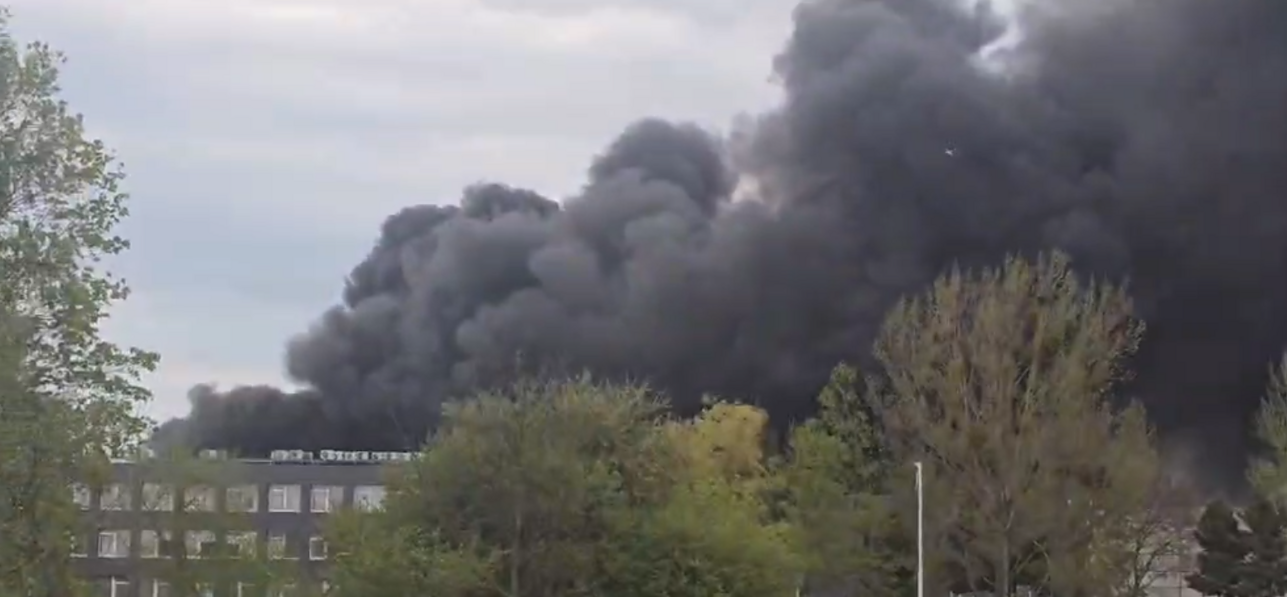
Kaunas waste fire contained after two hours; company cites spontaneous combustion

Ciklonas „Anna“ užklojo Lietuvą sniegu: sinoptikai skelbia pavojų

Lithuanian Farmer Vygantas Baršauskas Killed in Tractor Accident on His Farm