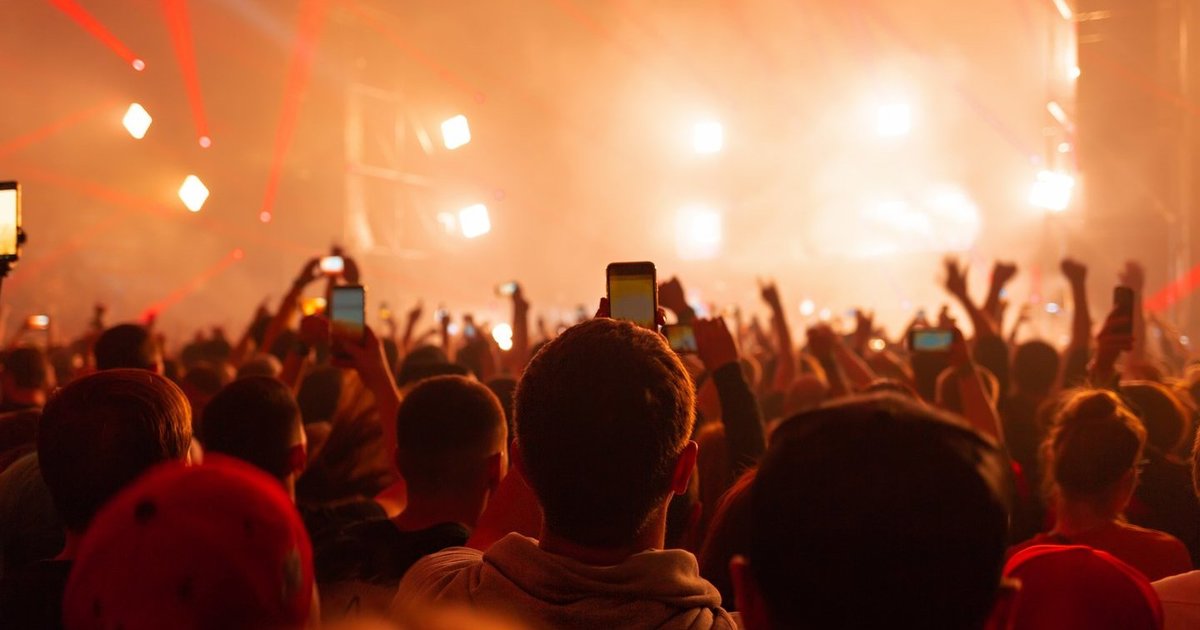
Eurovision Turns 70 in Vienna Amid Boycotts Over Israel's Participation
The 2026 contest, celebrating seven decades of music and unity, faces political tensions as several countries stay away to protest Israel's involvement.
LITHUANIA —
Key facts
- The 70th Eurovision Song Contest takes place in Vienna, Austria, May 12-16, 2026.
- 35 countries are participating, with some high-profile absentees boycotting due to Israel's participation.
- Semi-Finals are on May 12 and 14; the Grand Final on May 16.
- Last year's contest was watched by 166 million people worldwide.
- Fans from 75 countries have bought tickets for the live shows in Vienna.
- A new Eurovision website and app feature the Eurodex archive and My Scoreboard interactive tool.
- The EBU has launched Eurofan, offering exclusive content and a fan voice initiative.
A Landmark Anniversary Under a Shadow
The Eurovision Song Contest, the world's largest live music event, marks its 70th anniversary this May with a glittering extravaganza in Vienna, Austria. But the celebration of pop, diversity and unity is clouded by political tensions: several countries are boycotting the contest to protest Israel's participation. Organizers expect 166 million viewers worldwide, and fans from 75 nations have secured tickets for the live shows. Yet the absence of some high-profile broadcasters underscores the persistent friction between the contest's founding ideals of post-war unity and the geopolitical realities of the 21st century.
Vienna Hosts a Multi-Layered Cultural Celebration
Rehearsals begin on March 2, kicking off a year-long programme of events. The Semi-Finals are scheduled for May 12 and 14, with the Grand Final on May 16. A total of 35 public service broadcasters from across Europe and beyond will compete. Among the hopefuls are Austria's Cosmó, Germany's Sarah Engels, Ukraine's Leléka, Estonia's Vanilla Ninja, and San Marino's entry featuring Senhit with Boy George. The contest's 70th edition also introduces a new digital experience, including the Eurodex archive and My Scoreboard feature.
Boycotts and Protests Over Israel's Inclusion
The decision to allow Israel to compete has sparked protests and boycotts. In Belgrade, Serbia, a rally against Israel's participation drew crowds outside the state-run TV headquarters on April 28. Several countries have opted out entirely, though the EBU has not disclosed the full list of absentees. This is not the first time politics has intruded on Eurovision. Previous editions have seen controversies over host countries' human rights records and voting blocs. The 2026 contest, meant to celebrate unity, instead highlights the difficulty of separating music from geopolitics.
A Contest Born of Post-War Idealism
Eurovision was founded in 1956 to test live-broadcasting technology and foster unity after World War II. From seven initial contestants, it has grown to include dozens of nations, including non-European members Israel and Australia. The contest is known for its campy, heartfelt celebration of diversity and national pride. Memorable winners include ABBA's 'Waterloo' (1974), Celine Dion for Switzerland (1988), Conchita Wurst (2014), Måneskin (2021), and Kalush Orchestra (2022). Last year's winner, JJ from Austria, took the trophy in Basel, Switzerland.
New Digital Initiatives and Fan Engagement
The EBU has launched a revamped Eurovision website and app, featuring the Eurodex — a comprehensive archive of results and information from every contest since 1956. Fans can also use My Scoreboard to rank songs from this year and past editions. A new initiative, Eurofan, offers exclusive content, ticket opportunities and collectibles. The Eurofan Voice programme will allow fans to help shape the future of the contest. Additionally, ORF commissioned 'Life of Toni', a short film tracing one fan's life alongside Eurovision, to be aired during the First Semi-Final.
The Stakes for the EBU and the Contest's Future
The boycott threatens to undermine the EBU's claim that Eurovision unites people across borders. With 35 participants, the contest remains large, but the absence of key countries could affect viewership and the event's prestige. The EBU has not commented on the boycotts directly, but the anniversary year is seen as a test of the contest's resilience. The expansion into Asia and new digital tools aim to broaden the audience, but the political rift may deepen if unresolved.
A Celebration of Music, but Not Without Discord
As Vienna prepares for the 70th Eurovision, the contrast between the contest's joyful spirit and the surrounding protests is stark. The event will go ahead with its trademark spectacle — including a drone show depicting Conchita Wurst over Schönbrunn Palace — but the boycotts serve as a reminder that music alone cannot bridge every divide. The question remains whether Eurovision can continue to evolve as a unifying force or whether it will become increasingly entangled in the very conflicts it was designed to transcend.
The bottom line
- The 70th Eurovision Song Contest is held in Vienna from May 12-16, 2026, with 35 participating countries.
- Several countries are boycotting to protest Israel's participation, reflecting ongoing political tensions.
- The contest introduces new digital features, including the Eurodex archive and My Scoreboard app.
- The EBU launches Eurofan, a fan engagement initiative with exclusive content and a voice programme.
- Last year's contest reached 166 million viewers, and fans from 75 countries bought tickets for 2026.
- The anniversary highlights Eurovision's evolution from a post-war broadcasting experiment to a global cultural phenomenon.


Cleetis Mack, Digital Underground Rapper Known as Clee, Dies Suddenly

Zayn Malik cancels US tour and UK dates after hospitalization, citing need to 'reduce' shows

American TikToker’s Lithuanian Apartment Tour Reveals Cultural Quirks from Dual-Opening Windows to Heated Floors