Lithuania Debates Immigration Balance as Migrant Numbers Rise and Economy Booms
Amid record employment and a booming economy, Lithuanian politicians and business leaders clash over the risks and rewards of a growing foreign-born population.
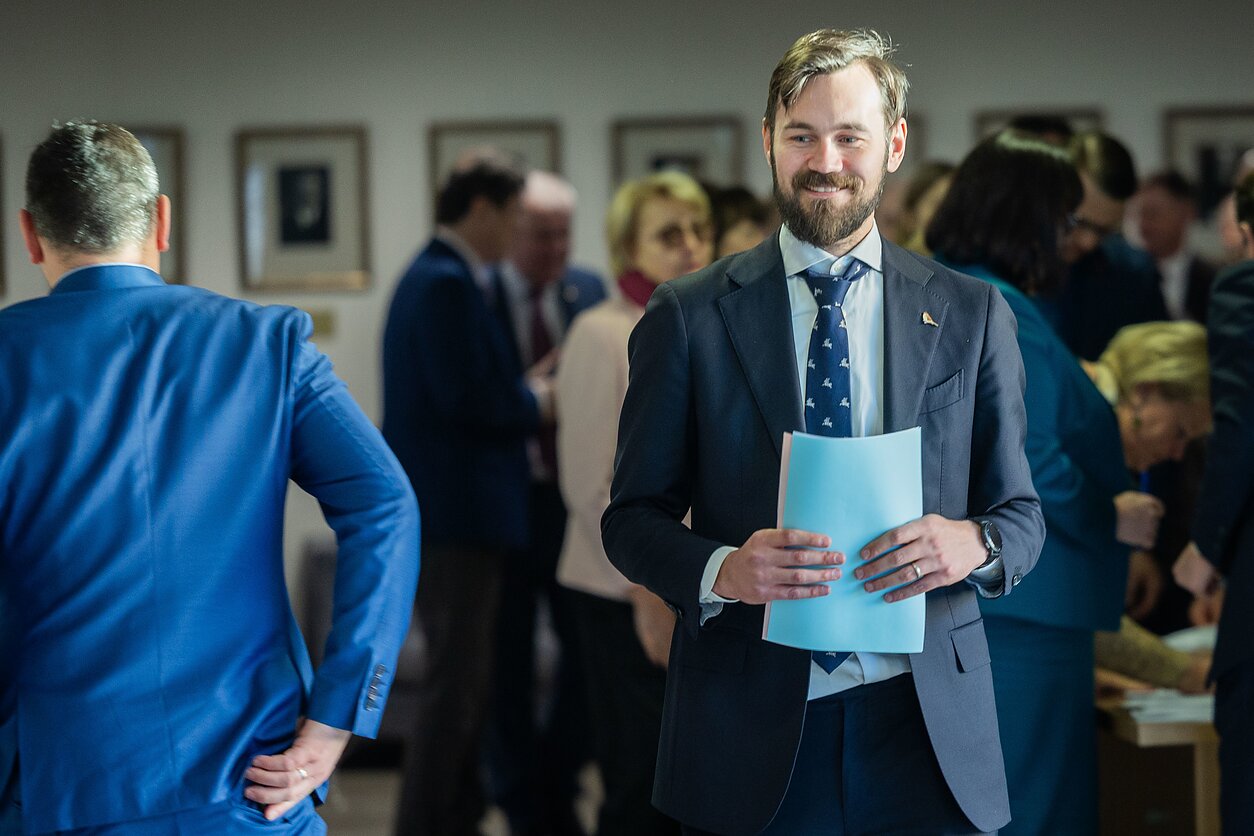
LITHUANIA —
Key facts
- Ruslanas Baranovas, a Social Democrat MP, argues immigrants from Pakistan, India, and elsewhere enrich Lithuania.
- Laurynas Kasčiūnas, leader of the Homeland Union, warns that when foreigners exceed 10% of society, risks emerge, citing Stockholm, Berlin, and Paris.
- Interior Minister Vladislovas Kondratovičius says migration is currently balanced, with no growth in unregistered groups.
- Andrius Romanovskis, president of the Lithuanian Business Confederation, notes Lithuania has the highest employment in its history.
- Of approximately 200,000 immigrants, about 80,000 are Ukrainian refugees; Central Asian migrants number only about 25,000.
- The annual immigration quota is 25,000; business suggests 30,000 as an upper limit.
- Top professions among third-country immigrants are truck drivers (90% of time outside Lithuania), concrete workers, and welders.
- Vilnius Mayor Valdas Benkunskas states the Vilnius region has surpassed the EU average in economic development.
A Nation Transformed by Migration
Lithuania, once a transit country for migrants heading west, has become a destination in its own right. With record employment and an economy that now outpaces the European Union average in some regions, the nation is grappling with the social and economic implications of a rising foreign-born population. On Monday, a televised forum on LRT brought together politicians, business leaders, and officials to debate the country's immigration policy. The discussion revealed deep divisions over how to manage the influx while preserving social cohesion.
Politicians Clash Over Risks and Rewards
Ruslanas Baranovas, a member of the Social Democratic Party faction, emphasized that immigrants from Pakistan, India, and other countries not only pose risks but also enrich Lithuania. He reminded viewers that Lithuanians themselves have recently experienced large waves of emigration and have seen diversity abroad. "That diversity brings our country many good things," he said. Laurynas Kasčiūnas, chairman of the Homeland Union-Lithuanian Christian Democrats, countered that balance is crucial. Citing experts, he warned that when foreigners exceed 10% of a society, significant risks emerge. He pointed to Stockholm, Berlin, and Paris as examples of cities where immigrant ghettos have formed, questioning whether they have truly benefited. "We need to lay everything out very clearly," he urged.
Government and Business See Stability
Interior Minister Vladislovas Kondratovičius stated that migration in Lithuania is currently fully balanced. "We do not see growth, we do not see any groups where people are unregistered or lack permits," he said. Andrius Romanovskis, president of the Lithuanian Business Confederation, highlighted that Lithuania today has the highest number of employed people in its history. He noted that of roughly 200,000 immigrants, about 80,000 are Ukrainian refugees, while Central Asian migrants number only about 25,000—less than 1% of the population. He also reminded that an annual immigration quota of 25,000 is in place, with businesses suggesting 30,000 as a reasonable upper limit.
The Changing Face of Vilnius
Vilnius Mayor Valdas Benkunskas urged recognition that Lithuania's reality has changed. "Once Lithuania was a convenient transit state to Western Europe, but now with our economic growth we are becoming a good place to stay for longer," he said. He noted that the Vilnius region has long surpassed the EU average in economic development, making it economically more advantageous to work there than in some parts of Spain. The mayor's comments underscore a broader shift: as the economy booms, labor shortages have made immigration a necessity. The most common professions among third-country immigrants are truck drivers—who spend 90% of their time outside Lithuania—concrete workers, and welders.
Outlook: Balancing Growth and Integration
The debate reflects a nation at a crossroads. With employment at historic highs and the economy outperforming much of Europe, Lithuania's need for foreign labor is unlikely to diminish. Yet the political discourse reveals anxiety about social integration and the potential for ethnic enclaves. As the government maintains that migration is balanced and business pushes for a higher quota, the challenge will be to craft policies that sustain economic growth while ensuring that the diversity Baranovas champions does not lead to the segregation Kasčiūnas fears. The coming months will test whether Lithuania can manage this transition as successfully as it has managed its economic rise.
The bottom line
- Lithuania's immigration debate centers on balancing economic benefits with social risks, as the country becomes a destination for migrants.
- Politicians are divided: Baranovas highlights enrichment from diversity, while Kasčiūnas warns of risks when foreigners exceed 10% of the population.
- Government officials and business leaders see the current situation as stable, with a quota of 25,000 immigrants per year and a proposal to raise it to 30,000.
- The Vilnius region has surpassed the EU average in economic development, making it a magnet for both local and foreign workers.
- Most third-country immigrants work in transport and construction, with truck drivers spending the majority of their time outside Lithuania.
- The outcome of this debate will shape Lithuania's social fabric and economic trajectory for years to come.


Lithuania's Summer Concert Season Opens with Kaleo, Alizée, and a New Opera

Russia Earned €1.1 Trillion from Fossil Fuel Exports Since Invasion, Europe Second-Largest Buyer
Kaunas waste fire contained after two hours, no casualties reported
