Latvia Confronts Echoes of War on May 9th Amidst Tensions
The anniversary, once a day of remembrance, has become a focal point for societal friction and political provocation.

LATVIA —
Key facts
- Latvian police initiated 98 administrative offense cases on May 9th.
- Four individuals were detained by law enforcement on May 9th.
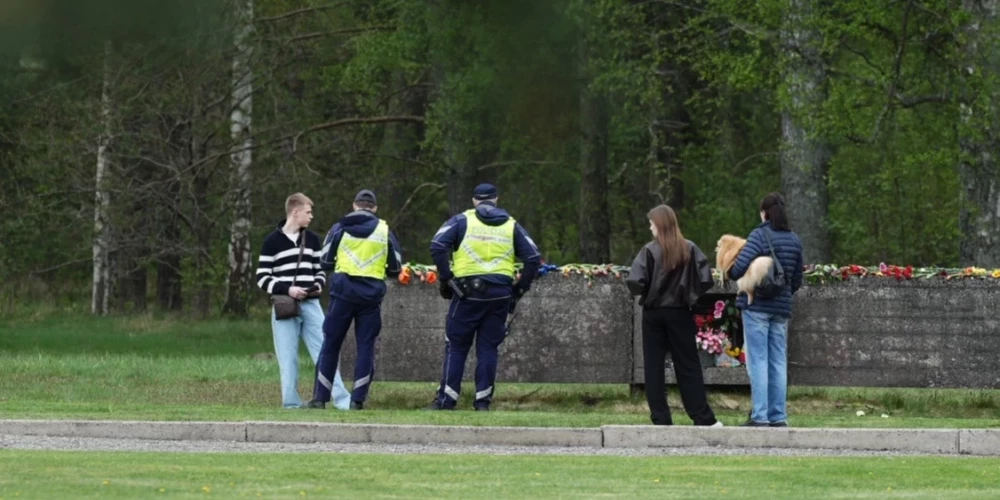
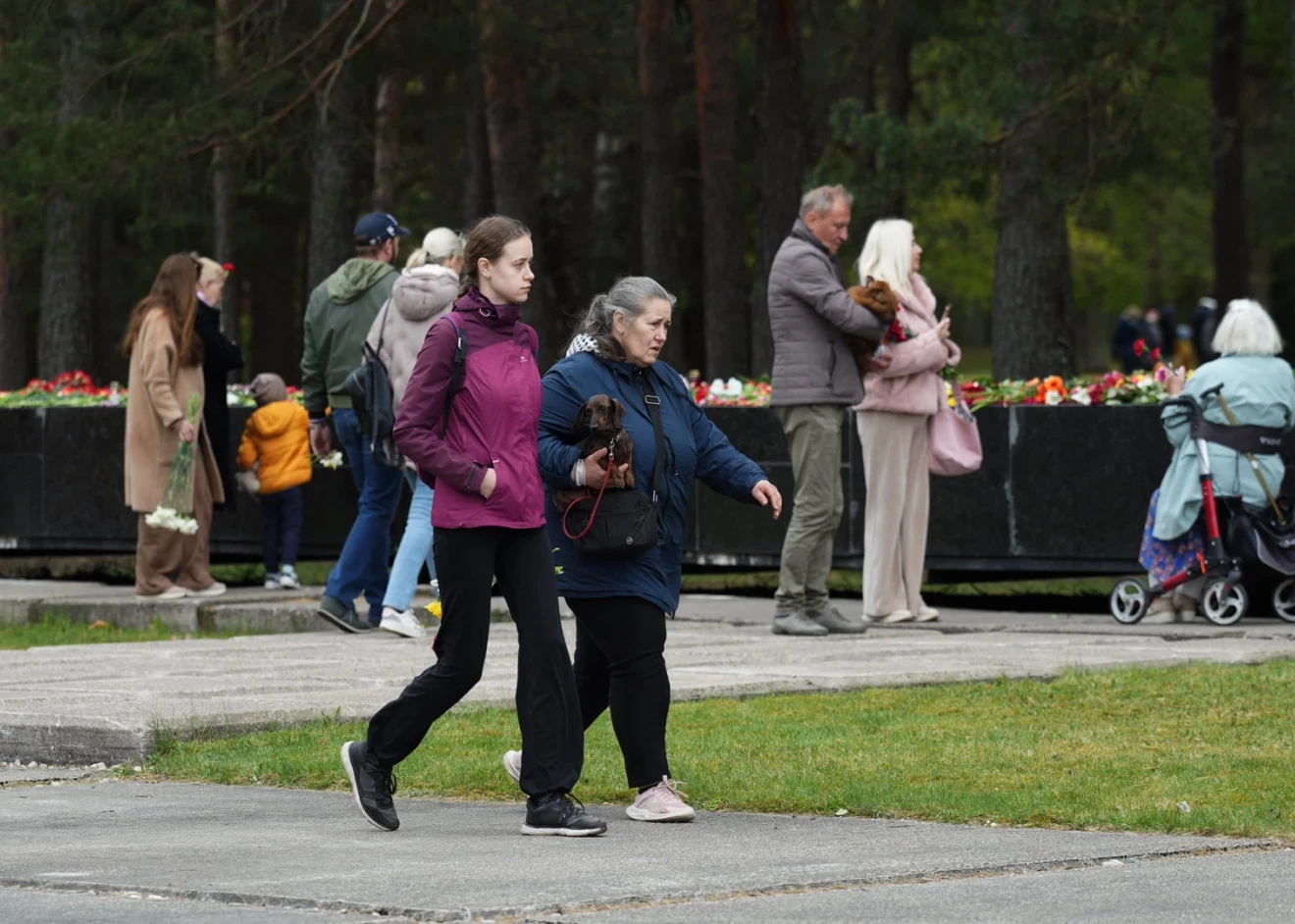
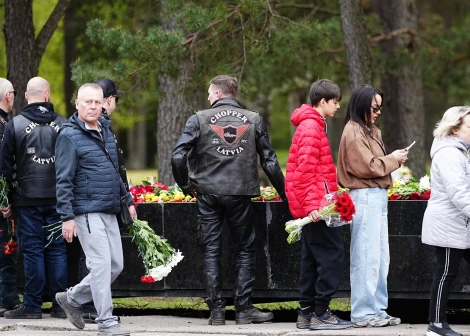
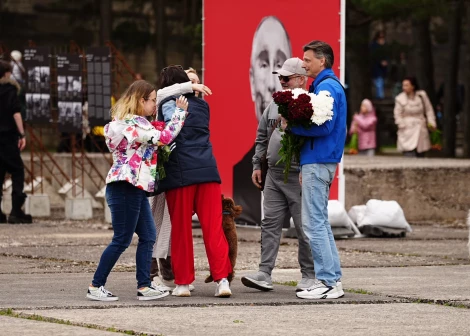
- Attempts to lay flowers at sites of dismantled Soviet monuments were recorded.
- These acts are being treated as glorification of military aggression and war crimes.
- Journalist Božena Rinska noted a shift in public perception of the date.
- The date has transformed from a day of remembrance into a source of societal tension.
- Provocations included the display of St. George's ribbons and attempts at mass gatherings.
A Day of Remembrance Becomes a Flashpoint
May 9th, a date historically marked for remembrance in Latvia, has increasingly become a focal point for societal tension since 2022. The anniversary, once a solemn occasion, now represents a complex intersection of historical memory and contemporary political friction. This shift has been observed and articulated by figures within Latvian society, highlighting a growing unease surrounding the public observance of the date. The transformation of May 9th from a day of commemoration to one of public strain is a direct consequence of evolving societal attitudes. Journalist and public commentator Božena Rinska has publicly shared her observations on how the perception of this day has changed, particularly in the context of ongoing geopolitical events. Her commentary underscores a sentiment that the memory of war is being drawn into political conflicts. This evolving dynamic means that what was once a shared moment of reflection is now a source of division. The public sphere, particularly online, has become a venue where these differing perspectives clash, reflecting deeper societal currents.
Provocations and Prohibitions Mark Observance
a significant number of administrative offense cases initiated on May 9th, with 98 such processes opened by the end of the day. This figure reflects a heightened state of vigilance and enforcement surrounding the anniversary. In addition to these cases, four individuals were detained by authorities for actions deemed in violation of public order and regulations. Incidents recorded by law enforcement included attempts by individuals to lay flowers at the sites where Soviet-era monuments have been dismantled. Such actions are being officially categorized as the glorification of military aggression and war crimes, indicating a strict stance against any perceived endorsement of past or present conflicts. Beyond these specific instances, the broader context of May 9th in Latvia has been marked by provocations. These have included the display of St. George's ribbons, a symbol associated with Russian military history and often used in contemporary pro-Russian contexts, and attempts to organize mass public gatherings. These actions are seen by many as efforts to transform a day of historical commemoration into a political demonstration.
Societal Division Over Historical Symbols
Božena Rinska, a journalist and public commentator residing in Latvia, has articulated a view that a segment of the population has reoriented Victory Day. According to her analysis, the day has been repurposed from a commemoration of past events into an occasion for demonstrative behavior and political provocations. This reinterpretation fuels the societal tension surrounding the anniversary. She further noted that while cemeteries, often sites of remembrance, are typically maintained with order by local residents, including Latvians, the public observances of May 9th have introduced a discordant element. The underlying cause for this disruption, as identified by Rinska, lies in the provocative nature of certain activities. These provocations manifest in various forms, including the use of specific symbols like the St. George's ribbon and efforts to stage large-scale events. The intent behind these actions appears to be the conversion of a day meant for historical reflection into a platform for political expression, thereby exacerbating societal divisions.
Enforcement and Legal Ramifications
By 8:00 PM on May 9th, the Latvian State Police had initiated a total of 66 administrative offense proceedings. This number was later updated to 98, indicating a sustained effort by law enforcement to address violations throughout the day. The police presence and their actions underscore the sensitive nature of public gatherings and symbolic displays on this particular date. Both Riga and Daugavpils, major cities in Latvia, recorded instances where individuals attempted to place flowers at locations where Soviet monuments have been removed. These acts were not viewed as simple gestures of remembrance but were interpreted by authorities as a deliberate endorsement of military aggression and wartime atrocities. The legal framework in Latvia is being applied to discourage and penalize such displays, framing them as violations of laws pertaining to the glorification of conflict. This approach highlights the state's commitment to preventing the instrumentalization of historical dates for political ends that could incite division or support aggression.
Broader Geopolitical Context and Divergent Narratives
The events in Latvia on May 9th occur against a backdrop of significant geopolitical developments, most notably the ongoing conflict in Ukraine. The anniversary, which commemorates the Soviet Union's victory over Nazi Germany in World War II, carries different connotations for various populations, particularly in Eastern Europe. In Russia, President Vladimir Putin has presented his own narratives regarding the reasons for initiating the conflict in Ukraine. These narratives often seek to draw parallels with historical struggles and frame current actions within a context of national defense or historical justice. However, these interpretations are widely contested internationally. The differing perspectives on historical events and contemporary conflicts underscore the complex legacy of the Soviet era and its impact on current international relations. Latvia, having experienced Soviet occupation, maintains a distinct historical viewpoint that often contrasts with official Russian narratives.
Looking Ahead: Navigating Historical Memory
The events of May 9th in Latvia signal an ongoing challenge in navigating the complex terrain of historical memory and national identity. The date's evolution into a site of societal friction suggests that a consensus on how to commemorate or acknowledge this period remains elusive. Future observances will likely continue to be shaped by the interplay of domestic societal attitudes and the broader geopolitical climate. The state's firm stance on preventing the glorification of aggression indicates a continued emphasis on maintaining public order and adhering to legal frameworks that prohibit such displays. Ultimately, Latvia's experience with May 9th reflects a wider regional struggle to reconcile past traumas with present realities, particularly in light of renewed conflicts. The path forward will involve continued dialogue, clear legal boundaries, and a societal effort to distinguish between historical remembrance and political provocation.
The bottom line
- Latvia recorded 98 administrative offense cases and four detentions on May 9th, highlighting increased enforcement.
- Attempts to glorify military aggression by laying flowers at former monument sites were officially addressed.
- The date has shifted from a remembrance day to a point of societal tension and political provocation.
- Journalist Božena Rinska observed a societal reinterpretation of the day for demonstrative and political purposes.
- The St. George's ribbon and attempts at mass gatherings were among the noted provocations.
- Latvia's approach reflects a broader regional challenge in managing historical memory amidst current geopolitical conflicts.