Nigeria’s Parliament Demands Sanctions Against South Africa Over Xenophobic Killings
Lawmakers call for suspension of bilateral agreements and review of licenses for South African firms, while a joint committee prepares a diplomatic visit to Pretoria.
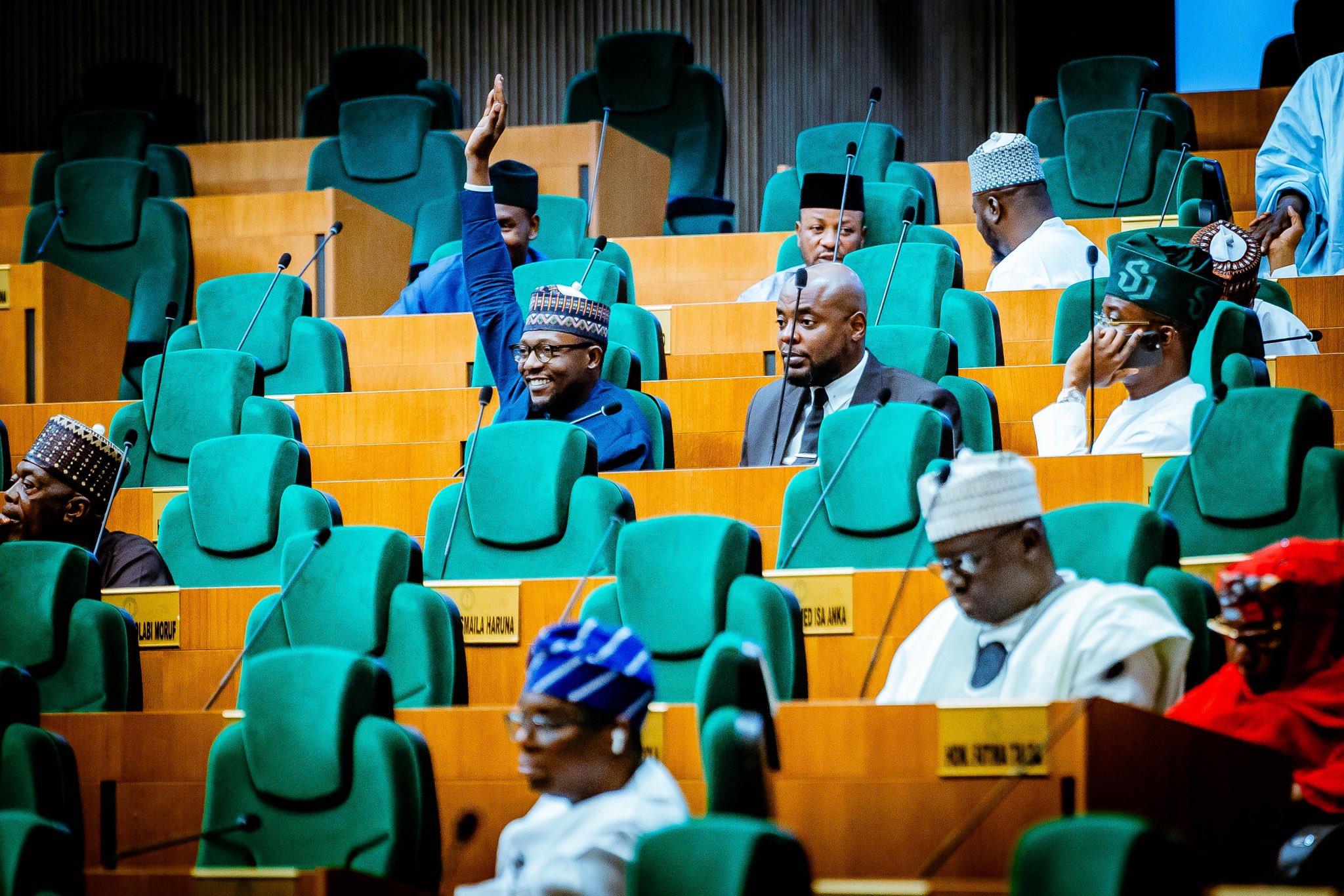
NIGERIA —
Key facts
- Two Nigerians, Ekpenyong Andrew and Amaramiro Emmanuel, were killed in South Africa in separate incidents involving security personnel.
- The House of Representatives voted to suspend all bilateral agreements with South Africa pending action against the attacks.
- The Senate rejected a proposal by Senator Adams Oshiomhole to revoke licenses of MTN and DSTV on procedural grounds.
- A joint ad hoc committee of the National Assembly will visit South Africa to express displeasure and seek solutions.
- The Senate observed a minute of silence for victims of xenophobic violence.
- Lawmakers cited Nigeria’s role in ending apartheid as a reason South Africa should protect Nigerian nationals.
Two Nigerians Killed in Attacks Involving Security Forces
The House of Representatives has demanded that Nigeria suspend all bilateral agreements with South Africa after the killing of at least two Nigerian nationals in what lawmakers described as targeted xenophobic violence. The victims, Ekpenyong Andrew and Amaramiro Emmanuel, died in separate incidents last month involving South African security personnel. Andrew was arrested on April 19 in Pretoria following an alleged altercation with police officers; his body was later found in a morgue. Emmanuel died from injuries sustained after being beaten by personnel of the South African National Defence Force on April 20. The deaths have reignited tensions between Africa’s two largest economies.
House Votes to Suspend Bilateral Agreements
During Tuesday’s plenary, the lower chamber adopted a motion of urgent public importance sponsored by Donald Ojogo, who represents the Ilaje/Ese-Odo federal constituency in Ondo state. Ojogo described the violence as having reached an “alarming rate” and said Nigerians were being “selectively targeted” in South Africa. “Both incidents were shocking as they involved South African security personnel,” Ojogo said during the debate. He argued that the attacks were a “demonstration of ingratitude” given Nigeria’s pivotal role in the struggle against apartheid. The motion was adopted by voice vote after Deputy Speaker Benjamin Kalu presided over the session.
Senate Rejects Oshiomhole’s Call for License Revocations
In the upper chamber, Senator Adams Oshiomhole proposed revoking the operational licenses of South African companies such as MTN and DSTV as an economic retaliatory measure. However, the suggestion was declined on procedural grounds. Senate President stressed that economic retaliation against businesses would not be the preferred course of action, emphasising the importance of diplomatic engagement. Instead, the Senate resolved to constitute a joint ad hoc committee of the Senate and the House of Representatives, to be led by the Chairman of the National Assembly. The committee will undertake a fact-finding and diplomatic visit to South Africa aimed at finding lasting solutions to the crisis.
Lawmakers Divided Over Open or Closed Debate
The Senate’s deliberations followed a motion of urgent national importance raised by Senator Bassey, titled: “Intensifying Xenophobic Persecution of Nigerians in South Africa and Ghana: A Call for Urgent National, Diplomatic and Humanitarian Action to Defend the Dignity, Safety and Honour of Nigerian Citizens.” During the session, lawmakers were divided over whether to step down the motion for closed-door discussion after Senator Aliero called for it to be debated behind closed doors. Senator Ningi and others insisted on open deliberation, which prevailed. Lawmakers expressed deep concern over not only the physical attacks but also the growing climate of fear, psychological trauma, and dehumanisation faced by Nigerians abroad. They noted that many Nigerians are increasingly being profiled and targeted solely based on their nationality. The Senate subsequently observed a minute of silence in honour of Nigerians who have lost their lives in the attacks.
Nigeria’s Historical Role and the Call for Reciprocity
Several lawmakers invoked Nigeria’s historical support for South Africa’s liberation from apartheid as a moral basis for demanding better treatment of Nigerians. Deputy Speaker Benjamin Kalu stated, “Nigerians did not allow the apartheid masters to suppress South Africans. South Africans who are liberated should not put other Africans in their territory in bondage. These are facts.” Ojogo echoed this sentiment, warning that the “trajectory in South Africa is a recipe for anger and reprisals in Nigeria, and there is a need to prevent such.” The House resolution also called for a review of all bilateral agreements, trade and aviation treaties, and targeted economic measures including temporary suspension of business permits for new South African companies and a review of tax incentives enjoyed by existing South African firms in Nigeria.
Diplomatic Path Forward and Unresolved Questions
The Senate also plans to write to the Speaker of the South African Parliament and invite Nigeria’s Minister of Foreign Affairs to brief lawmakers on the outcomes of their engagements. Senator Simon Lalong called for a review of resolutions reached during a 2019 bilateral meeting between Nigeria and South Africa to ensure their implementation. While the House has taken a hardline stance, the Senate’s preference for diplomacy suggests a potential rift between the two chambers on how to proceed. The joint committee’s visit to South Africa will be a critical test of whether diplomatic channels can yield concrete protections for Nigerians or whether economic retaliation will eventually be enacted.
Stakes for Africa’s Largest Economies
The escalating dispute between Nigeria and South Africa threatens to disrupt economic ties that underpin regional stability. South African firms like MTN and MultiChoice (owner of DSTV) have substantial operations in Nigeria, while Nigerian businesses and individuals are significant investors in South Africa. Any suspension of bilateral agreements or economic measures could have far-reaching consequences for both countries. For now, the Nigerian government faces pressure to act decisively while avoiding a full-blown diplomatic rupture. The coming weeks will reveal whether the joint committee’s mission can de-escalate tensions or if the calls for economic retaliation will gain momentum.
The bottom line
- The House of Representatives has called for suspension of all bilateral agreements with South Africa over xenophobic attacks.
- Two Nigerians were killed in incidents involving South African police and military personnel in April.
- The Senate rejected a proposal to revoke MTN and DSTV licenses, opting for diplomatic engagement instead.
- A joint National Assembly committee will visit South Africa to demand action against the attacks.
- Lawmakers cited Nigeria’s role in ending apartheid as a basis for expecting better treatment of Nigerians.
- The dispute poses risks to economic ties between Africa’s two largest economies.



Knicks vs 76ers: Embiid's Return Fuels Playoff Showdown at MSG

Lakers Face 15.5-Point Spread, Largest of LeBron's Career, as Thunder Host Game 1 Without Doncic
Hearts Stun Rangers 2-1 to Restore Three-Point Premiership Lead
