Africa Cup of Nations 2027 Draw Set for May 2026 as Hosts Accelerate Preparations
East African nations Kenya, Tanzania, and Uganda gear up for the historic co-hosted tournament, with major stadium renovations underway.

NIGERIA —
Key facts
- The TotalEnergies CAF Africa Cup of Nations PAMOJA 2027 will be co-hosted by Kenya, Tanzania, and Uganda.
- The tournament's opening match is scheduled for Saturday, June 19, 2027, with the final on Saturday, July 17, 2027.
- The draw for the AFCON 2027 qualifiers will take place on May 19, 2026.
- A total of 48 teams, including the three co-hosts, will participate in the qualifiers.
- The Benjamin Mkapa Stadium in Dar es Salaam is undergoing a multi-million-dollar renovation, with upgrades to be completed by April 2026.
- The Samia Suluhu Hassan Stadium in Arusha has a construction cost of $112 million.
- This marks the first AFCON hosted by three countries and the first in East Africa since 1976.
East Africa Gears Up for Historic AFCON 2027
The stage is being set for the TotalEnergies CAF Africa Cup of Nations PAMOJA 2027, a landmark tournament poised to be co-hosted by Kenya, Tanzania, and Uganda. This historic event, the first of its kind to be shared by three nations, is scheduled to kick off on Saturday, June 19, 2027, culminating in the final match on Saturday, July 17, 2027. These dates have received the official endorsement of the FIFA Council, underscoring the global significance of the continental championship. The upcoming tournament represents a unique opportunity for the Confederation of African Football (CAF) and the sport across the continent, aiming to connect with an audience exceeding 400 million people across the East African region. This ambitious undertaking promises to not only elevate African football but also to foster regional cooperation and drive economic development. The journey for the 48 participating teams, including the three host nations, will commence with the official draw for the qualifiers, slated for May 19, 2026. This draw will chart the course for teams vying for a spot in the final tournament, setting the stage for intense competition.
Stadium Renovations Underway Amidst Ambitious Timelines
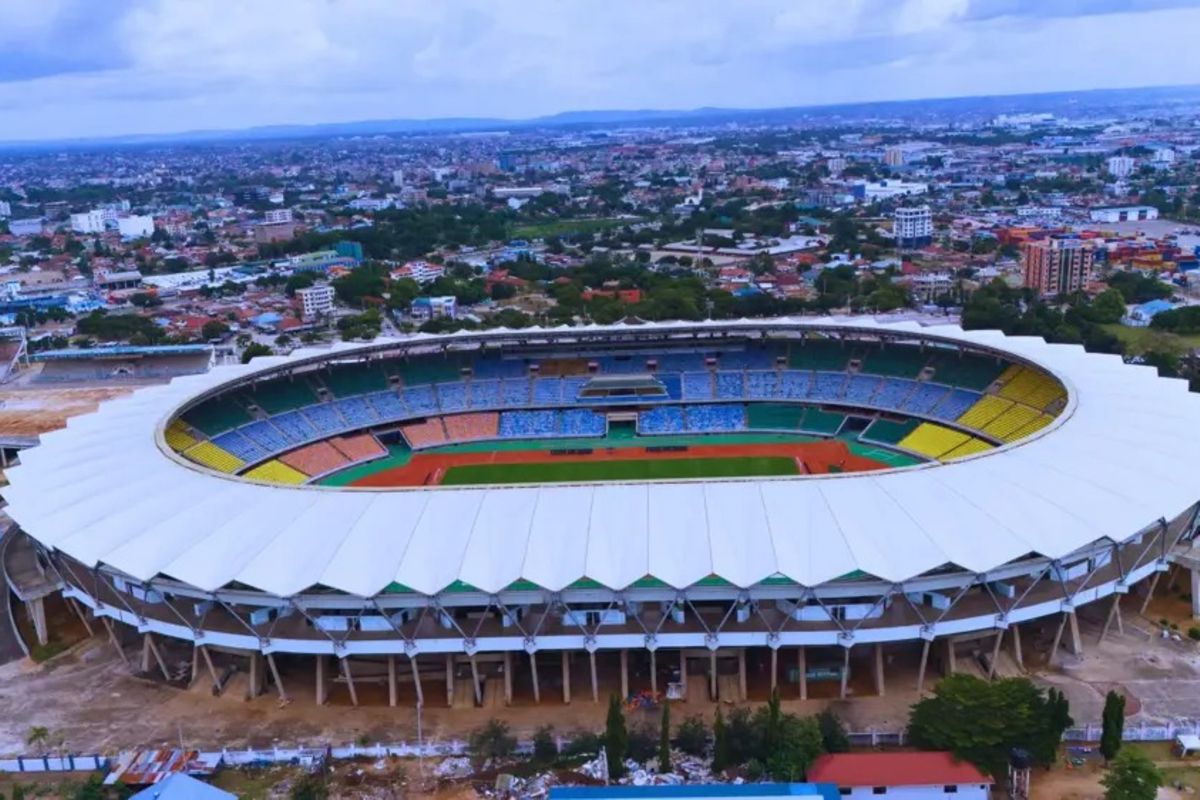
In Dar es Salaam, the iconic Benjamin Mkapa Stadium is at the forefront of extensive multi-million-dollar renovations. This crucial upgrade aims to bring the 60,000-seat arena up to stringent international standards required for hosting a tournament of AFCON's magnitude. The Tanzanian government is working against a tight deadline, with parliamentary mandates requiring all critical stadium enhancements to be finalized by April 2026. The scope of the Benjamin Mkapa Stadium's transformation is considerable, encompassing the modernization of VIP suites, the establishment of advanced media broadcast facilities, and the overhaul of its security infrastructure. These improvements are vital for ensuring the stadium can meet the demands of global broadcasting and fan experience. Beyond the Benjamin Mkapa Stadium, Tanzania is undertaking a broader construction campaign to decentralize the tournament's economic benefits. In Arusha, the new Samia Suluhu Hassan Stadium is rapidly taking shape with a projected cost of $112 million, designed to accommodate 30,000 spectators and tap into the lucrative northern tourism market. Further investment is planned for Dodoma, with stadium construction estimated at $135 million, and Zanzibar's Afcon City project has a budget of TSh 388.8 billion.
A Legacy of Sport and Infrastructure
The Benjamin Mkapa Stadium, originally renamed in 2020 to honor the late President John Magufuli's predecessor, is more than just a sports venue; it is a symbol of Tanzanian political history and development. President Magufuli's decree to immortalize Mkapa's contributions through the stadium's rebranding highlighted the former president's role in laying the foundation for modern sports facilities in Tanzania. Historically, the arena has served as the home ground for the Tanzanian national team and prominent domestic clubs Simba and Yanga, regularly hosting high-stakes CAF Champions League matches. Its transformation for AFCON 2027 signifies a leap from a national asset to a globally compliant architectural marvel. To ensure the long-term viability and maintenance of state-owned arenas like the Benjamin Mkapa Stadium, lawmakers are proposing the establishment of a specialized management body. This entity would be tasked with ring-fencing a portion of stadium revenue specifically for upkeep, a measure designed to prevent the rapid deterioration often seen in post-tournament infrastructure in developing regions.
The Road to AFCON 2027: Format and Reach
With the preliminary round of qualifiers now concluded, the focus shifts to the upcoming draw which will shape the competitive landscape for AFCON 2027. A total of 48 teams will enter this phase, aiming to secure their place in the final tournament. The draw will structure these 48 teams into 12 groups, each comprising four nations. The format dictates that the top two teams from each group will earn automatic qualification for the main event. This ensures a robust and competitive qualification process. The TotalEnergies CAF AFCON PAMOJA 2027 is significant not only for its co-hosting arrangement but also for its return to the East African region. This marks the first time the tournament will be held in this part of the continent since Ethiopia hosted the event in 1976, highlighting a resurgence of interest and capacity in East African football.
Economic Stakes and Regional Ambition
The preparations for AFCON 2027 extend beyond the realm of sports, carrying immense regional economic stakes. The multi-million-dollar renovations and new stadium constructions represent a significant investment in infrastructure, promising to reshape the commercial dynamics of the host cities and nations. By co-hosting the tournament, Kenya, Tanzania, and Uganda are positioning themselves to attract international attention, boost tourism, and stimulate local economies. The development of world-class facilities is expected to have a lasting impact, providing modern venues for future sporting events and cultural activities. The ambition is clear: to leverage the global spotlight of the Africa Cup of Nations to drive sustainable development and enhance the region's profile on the international stage. The success of the tournament will be measured not only by the quality of football but also by its enduring legacy in infrastructure and economic upliftment.
The bottom line
- The 2027 Africa Cup of Nations will be jointly hosted by Kenya, Tanzania, and Uganda, marking a historic first for the tournament.
- The qualifying draw is scheduled for May 19, 2026, involving 48 national teams.
- Major stadium infrastructure projects, including the renovation of Benjamin Mkapa Stadium and construction of the Samia Suluhu Hassan Stadium, are underway with strict deadlines.
- The tournament's opening match is set for June 19, 2027, and the final on July 17, 2027.
- This AFCON represents a significant return to East Africa, the last time being in 1976.
- The co-hosting initiative is expected to yield substantial economic benefits and infrastructural development across the participating nations.





Knicks vs 76ers: Embiid's Return Fuels Playoff Showdown at MSG

Dangote Refinery Reverses Petrol Price Hike Amid Market Volatility

Lakers Face 15.5-Point Spread, Largest of LeBron's Career, as Thunder Host Game 1 Without Doncic