The Africa Splitting Apart moment
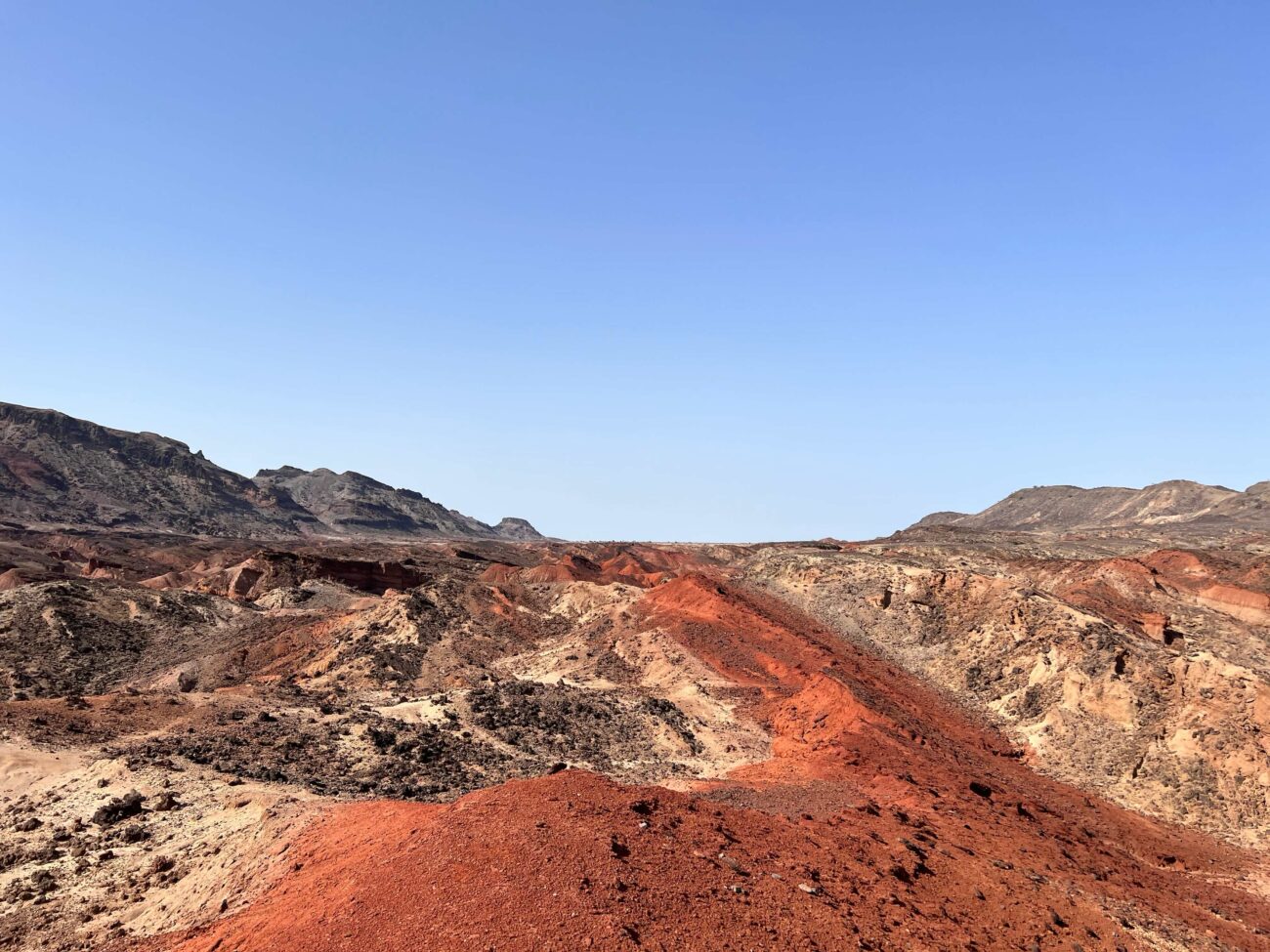
At the Turkana Rift, the African and Somali plates are drifting apart at a rate of about 4.7 millimeters per year.
NIGERIA —
At the Turkana Rift, the African and Somali plates are drifting apart at a rate of about 4.7 millimeters per year. Africa Splitting Apart has emerged this Saturday as one of the stories drawing attention in Nigeria.
Key facts
- At the Turkana Rift, the African and Somali plates are drifting apart at a rate of about 4.7 millimeters per year.
- Geologists have discovered that the African continent will split apart sooner than we thought.
- This study indicates that the East African Rift System in northern Kenya may be closer to breaking apart than previously thought and that its development played an important role in the preservation of the hominin fossil record.
- Researchers have found that Earth’s underlying crust in the Turkana Rift region has been significantly thinned, presaging Africa’s eventual breakup—and with that finding, the researchers offer a new perspective on Turkana’s fossil record of human evolution.
- Eastern Africa is nearing a critical breakup stage—in geologic time: Dramatically thinned crust beneath the Turkana Rift shows the region is further along in continental rifting than previously thought.
What we know
Going deeper, Geologists have discovered that the African continent will split apart sooner than we thought.
On the substance, this study indicates that the East African Rift System in northern Kenya may be closer to breaking apart than previously thought and that its development played an important role in the preservation of the hominin fossil record.
Beyond the headlines, Researchers have found that Earth’s underlying crust in the Turkana Rift region has been significantly thinned, presaging Africa’s eventual breakup—and with that finding, the researchers offer a new perspective on Turkana’s fossil record of human evolution.
More precisely, Eastern Africa is nearing a critical breakup stage—in geologic time: Dramatically thinned crust beneath the Turkana Rift shows the region is further along in continental rifting than previously thought.
It is worth noting that the Turkana Rift started pulling apart about 45 million years ago, and the researchers estimate that necking began after an episode of widespread volcanic eruptions roughly 4 million years ago.
By the numbers
At this stage, However, the slow crustal-stretching rates and >20-km deep mantle beneath many active rifts worldwide suggest that present-day breakup may not be imminent.
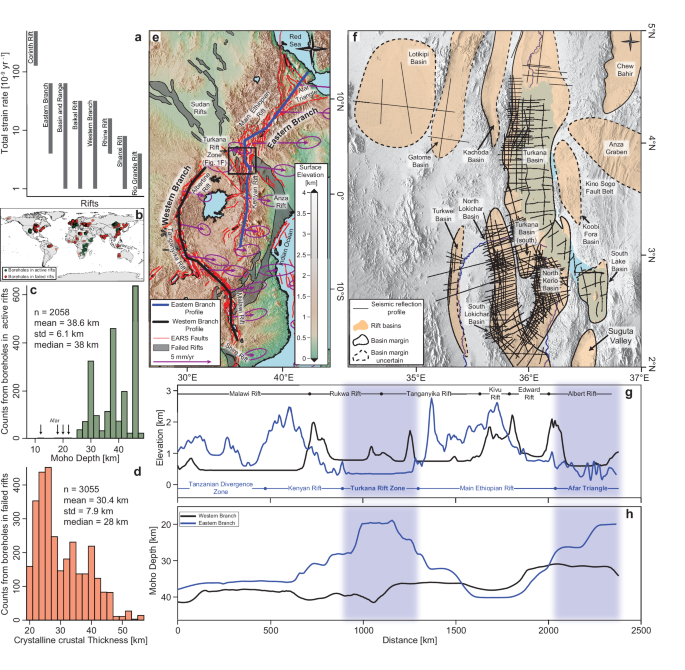
On a related note, here, we show that Turkana’s crystalline crust has thinned to ~13 km along the rift axis, revealing an active rift undergoing crustal necking.
Going deeper, Onset of necking is constrained to ~4 Ma and facilitated the accumulation of Turkana’s world-famous fossil record of human evolution.
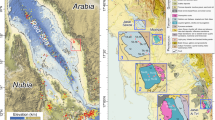
On the substance, here, we investigate the Turkana Rift Zone (TRZ) in Kenya, which hosts the shallowest Moho depth12 in the interior of the slowly-stretching East African Rift System (EARS) (Fig.
What they're saying
“We’ve reached that critical threshold” of crustal breakdown, says Anne Bécel, a geophysicist at Lamont and co-author of the study. “We think this is why it is more prone to separate.”
The wider context
On a related note, an active rift has reached a "critical threshold" and will soon break apart, forming a new ocean.
Going deeper, the African plate is currently splitting into two: the massive Nubian plate to the west, which contains most of the continent; and the smaller Somali plate, which contains much of the eastern coast and the island of Madagascar.
On the substance, High-resolution seismic data from the Turkana Rift Zone of the East African Rift System (EARS) reveal the rift’s subsurface structure.
Beyond the headlines, Identification of necking in the EARS indicates that eastern Africa is primed for continental breakup.
More precisely, related faulting initiated in the TRZ at ~45–40 Ma, representing the earliest documented evidence of EARS rifting in eastern Africa17.
The bottom line
- This study indicates that the East African Rift System in northern Kenya may be closer to breaking apart than previously thought and that its development played an important role in the preservation of the hominin fossil record.
- The Turkana Rift started pulling apart about 45 million years ago, and the researchers estimate that necking began after an episode of widespread volcanic eruptions roughly 4 million years ago.
- An active rift has reached a "critical threshold" and will soon break apart, forming a new ocean.



Nigeria Supreme Court Invalidates PDP Convention, Sends ADC Leadership Dispute Back to Trial Court

Bodø/Glimt Host Start in Eliteserien Round 18 Mismatch

Nigeria Declares May 1, 2026, Public Holiday for Workers' Day as Minister Hails Labour's Dedication
