Naira Edges Up Despite Zero Deals as Liquidity Squeeze Deepens
The Nigerian currency gained N4.52 in the official market on Thursday, but with no trades executed, analysts warn the move may not signal underlying strength.

NIGERIA —
Key facts
- Naira appreciated to N1,374.94 per dollar on April 30, up 0.33% from N1,379.46.
- Zero deals were recorded at the NFEM on April 30, down from 393 deals on April 29.
- Total official turnover fell from $802.44 million to zero on April 30.
- Parallel market rate held steady at N1,400 per dollar, widening the gap to N26.
- Nigeria's external reserves declined to $48.36 billion as of April 29, 2026.
- Interbank turnover dropped to $58.03 million from $249.91 million.
- CBN introduced the Nigerian Overnight Financing Rate (NOFR) to improve transparency.
Lede: A Gain on Paper, but No Trades Behind It
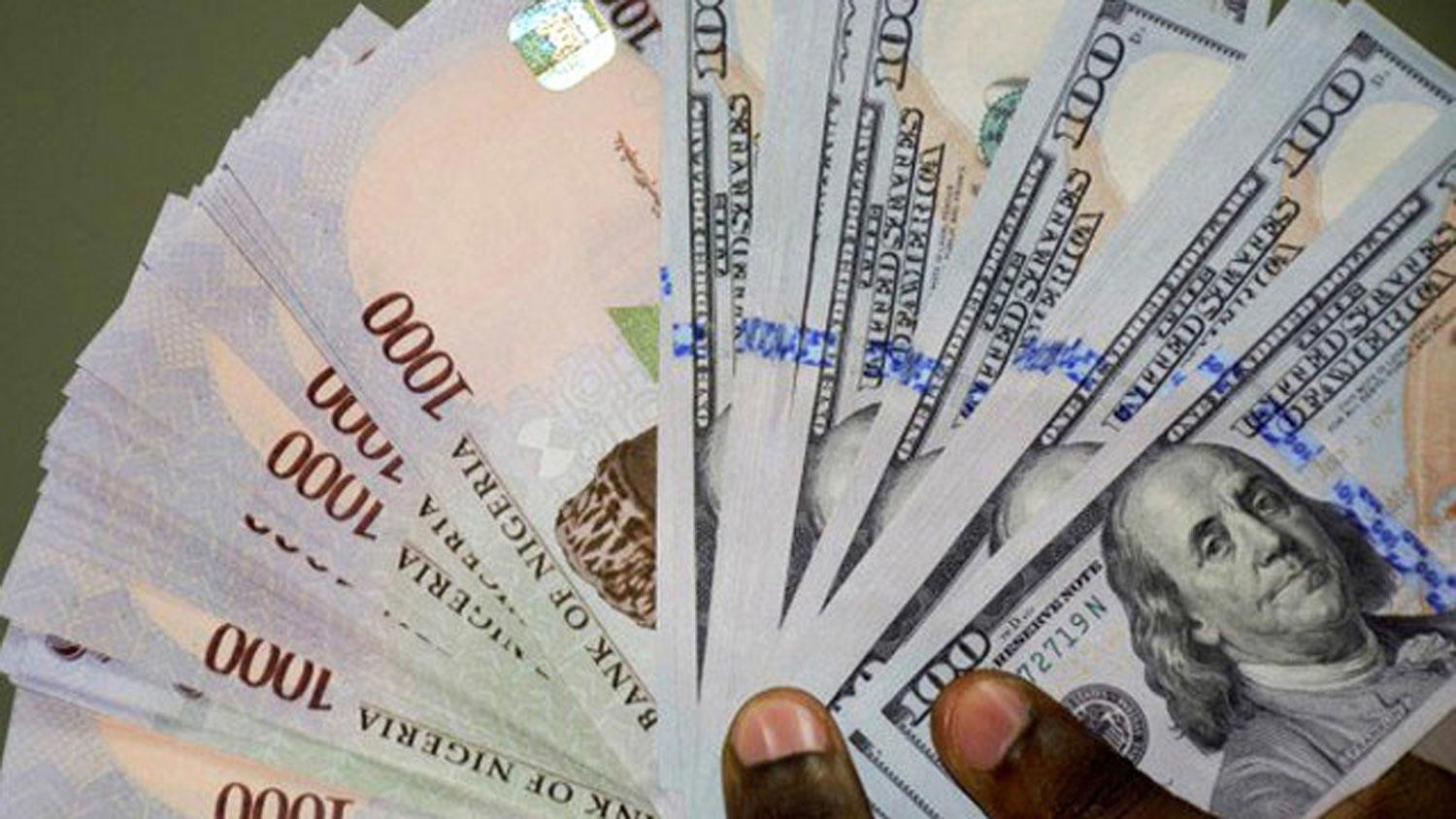
The naira strengthened by N4.52 against the dollar in Nigeria's official foreign exchange market on Thursday, April 30, closing at N1,374.94 per dollar. Yet the gain occurred in a market that recorded zero transactions, raising questions about the currency's true value. Data from the Central Bank of Nigeria (CBN) showed that the official window, the Nigerian Foreign Exchange Market (NFEM), executed no deals on Thursday, compared with 393 deals the previous day. Total turnover in the official window also collapsed to zero from $802.44 million on Wednesday.
Parallel Market Holds Steady as Spread Widens
In the parallel market, the naira remained unchanged at N1,400 per dollar, the same rate since the previous week. As a result, the gap between the official and parallel rates widened to N26 per dollar, up from N21 on Wednesday. Bureau De Change operators in Lagos and Abuja quoted rates between N1,374 and N1,376 per dollar on Friday, May 1, reflecting continued convergence in the informal market. However, some traders reported increased demand for the British Pound and Canadian Dollar, which traded at approximately N1,735 and N1,010 respectively.
Liquidity Squeeze Hits Official and Interbank Markets
The absence of deals in the official window underscores a severe liquidity squeeze. With no trades executed, price formation was driven entirely by the interbank segment, where turnover also fell sharply to $58.03 million from $249.91 million. Analysts caution that the naira's appreciation under such thin trading conditions may not reflect underlying market strength. Instead, it likely results from limited transactions influencing pricing in an illiquid environment, they said.
External Reserves Continue Downward Trend
Nigeria's external reserves, which provide the CBN with a buffer to support the naira, continued their decline, falling to $48.36 billion as of April 29, 2026, according to the apex bank. The reserves have been on a downward trajectory, adding to concerns about the central bank's ability to intervene in the currency market. The decline in reserves comes as the country faces persistent foreign exchange demand pressures, particularly for trade-related transactions.
CBN Introduces New Benchmark Rate to Enhance Transparency
Amid the market turbulence, the CBN has introduced the Nigerian Overnight Financing Rate (NOFR), a benchmark designed to improve transparency and strengthen pricing in the financial system. According to analysts at the Financial Markets Dealers Association (FMDA), a benchmark rate serves as the foundation upon which other interest rates are built. The CBN clarified that NOFR does not determine loan margins or total borrowing costs, which remain dependent on factors such as credit risk, tenor, and contractual terms. While NOFR offers a reliable starting point, final pricing will continue to reflect the specific risk profile of each transaction.
Outlook: Stability Hinges on Interventions and Global Factors
The relative stability of the exchange rate as of May 1 is attributed to consistent CBN interventions and monitoring of foreign capital inflows, according to market participants. However, stakeholders are closely watching global oil prices and domestic inflation figures, which often dictate the long-term trajectory of the naira. For many Nigerians, the narrowing gap between official and parallel market rates provides a clearer picture for planning, though the high cost of imports continues to pressure consumer goods and electronics prices across the country.
The bottom line
- The naira's official gain to N1,374.94 occurred with zero market turnover, indicating artificial pricing.
- External reserves fell to $48.36 billion, limiting the CBN's capacity to defend the currency.
- Parallel market rate held at N1,400, widening the spread to N26 per dollar.
- Interbank turnover dropped 77% to $58 million, reflecting broad liquidity constraints.
- The new NOFR benchmark aims to improve transparency but does not set loan margins.
- Market stability remains dependent on CBN interventions, oil prices, and inflation trends.



Crystal Palace Take 2-1 Lead Over Shakhtar Donetsk in Conference League Semi-Final First Leg

Dorgeles' Stoppage-Time Strike Gives Braga 2-1 Edge Over Freiburg in Europa League Semi-Final First Leg

Girona Art Museum Exhibition Spotlights 20th Century Catalan Masters Amidst City's Diverse News Cycle