Nigeria Bans 'Dr' Prefix for Honorary Degree Holders
New policy targets academic fraud and restores integrity to higher education, restricting title usage and award criteria.
NIGERIA —
Key facts
- Federal Government banned honorary degree recipients from using the 'Dr' prefix.
- The ban took effect following Federal Executive Council approval on April 30.
- Minister of Education Tunji Alausa announced the policy on Wednesday.
- Universities without active PhD programs are barred from conferring honorary degrees.
- Only four types of honorary degrees can now be conferred: LL.D, D.Lit, D.Sc, and D.Arts.
- Universities must obtain clearance from the National Universities Commission (NUC) before awarding honorary degrees.
- Misrepresenting honorary degrees as earned credentials will be treated as academic fraud.
Government Moves to Curb Academic Fraud
Nigeria's Federal Government has issued a sweeping ban on the use of the "Dr" prefix by recipients of honorary degrees, a decisive move aimed at curtailing academic fraud and restoring credibility to the nation's higher education system. The policy, announced on Wednesday, prohibits individuals from appending the title in official, academic, or professional contexts, framing its misuse as a form of academic fraud with legal and reputational repercussions. This stringent measure follows a growing concern over the indiscriminate conferral of honorary degrees, often linked to political patronage and financial gain. The government views the current trend as a politicisation of academic privilege, eroding public trust in the value of these accolades. The directive, enacted following a Federal Executive Council (FEC) meeting on April 30, seeks to dismantle a system perceived as being exploited for personal or political advantage. The aim is to ensure that honorary degrees are conferred with greater discernment and that their use is clearly delineated from earned academic qualifications.
New Policy Restricts Title Usage and Award Criteria
Under the new uniform policy for honorary degrees, recipients will no longer be permitted to prefix "Dr" to their names. Instead, they are required to cite the full honorary designation after their name, such as "Chief Louis Clark, D.Lit. (Doctor of Literature, Honoris Causa)" or "Mrs Miriam Adamu, LL.D.". This format, clearly distinguishes honorary awards from earned academic credentials. Furthermore, the policy restricts the types of honorary degrees that Nigerian universities can confer to four specific categories: Doctor of Laws (LL.D), Doctor of Letters (D.Lit), Doctor of Science (D.Sc), and Doctor of Humanities (D.Arts). This standardization aims to bring a uniform standard to the practice across all institutions. The government has also stipulated that universities without active PhD-awarding programmes will be barred from conferring any honorary degrees. This measure is intended to ensure that only institutions with robust academic foundations are involved in such high-level recognitions.
Strengthening Oversight and Enforcement
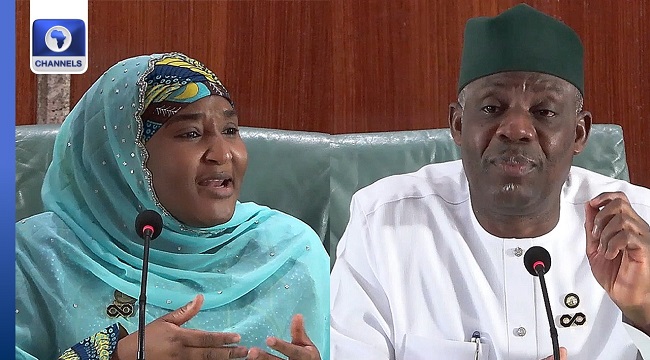
The Federal Executive Council, chaired by President Bola Tinubu, has mandated that all universities must now obtain clearance from the National Universities Commission (NUC) before conferring honorary degrees. The NUC will be responsible for vetting proposed recipients to ensure that only deserving individuals are honoured, thereby ending what the government described as indiscriminate awards. Minister Alausa, who was accompanied by the Minister of State for Education, Prof. Suwaiba Ahmed, warned that universities violating these directives would face sanctions, including consequences for their vice chancellors. This increased accountability is a cornerstone of the new framework designed to enforce compliance. Individuals found to be falsely claiming or parading unverified honorary degrees will also face potential prosecution. Government agencies are empowered to verify such claims directly with the awarding institutions, underscoring the administration's determination to restore integrity to the academic system.
Addressing Decades of Abuse
The reforms, which took effect from April 20 following FEC approval, are a response to a problem that has persisted for years. Minister Alausa noted that attempts to regulate the practice had been made since 2012, when university administrators first raised concerns. However, previous efforts lacked the necessary legal backing for effective enforcement. "The recent trend we’ve seen with the award of honorary degrees has revealed a growing abuse and politicisation of this academic privilege," Alausa stated, highlighting instances of awards being used for political patronage, financial gain, and conferred upon serving public officials – practices contrary to the ethics of honorary degree awards. The government views this new policy as a decisive step toward accountability and discipline in the conferment and use of academic titles, aiming to rebuild public confidence in Nigeria's higher education sector.
Broader Reforms and Future Outlook
While the government will strictly enforce compliance in official communications and formal engagements, Alausa acknowledged that regulating informal usage in social settings might prove difficult. The primary focus remains on ensuring accuracy and integrity in formal and professional contexts. This initiative to regulate honorary degrees is part of a broader commitment by the Federal Government to strengthen standards across the education sector. The reforms are expected to lead to a more rigorous and ethical approach to academic recognition. In addition to the honorary degree policy, the FEC also approved a second memo establishing a National Research and Innovation Development Fund, signalling a wider agenda for educational and scientific advancement in the country.
The bottom line
- Recipients of honorary degrees in Nigeria can no longer use the 'Dr' prefix.
- The new policy aims to combat academic fraud and restore integrity to higher education.
- Universities must now seek NUC approval for honorary degree conferrals and meet stricter eligibility criteria.
- Only four specific types of honorary degrees are now permitted.
- Misrepresenting honorary degrees as earned credentials is now considered academic fraud and subject to legal action.
- The reforms are intended to end the practice of awarding honorary degrees for political or financial gain.



Knicks vs 76ers: Embiid's Return Fuels Playoff Showdown at MSG

Dangote Refinery Reverses Petrol Price Hike Amid Market Volatility

Lakers Face 15.5-Point Spread, Largest of LeBron's Career, as Thunder Host Game 1 Without Doncic