Mark Zuckerberg and Priscilla Chan Make Met Gala Debut Amidst Fashion Industry Shifts
The Meta founder and pediatrician attended the prestigious event, signaling a growing tech presence in the luxury world.
NIGERIA —
Key facts
- Mark Zuckerberg and Priscilla Chan attended the 2026 Met Gala on May 4.
- This marked their first appearance at the Met Gala.
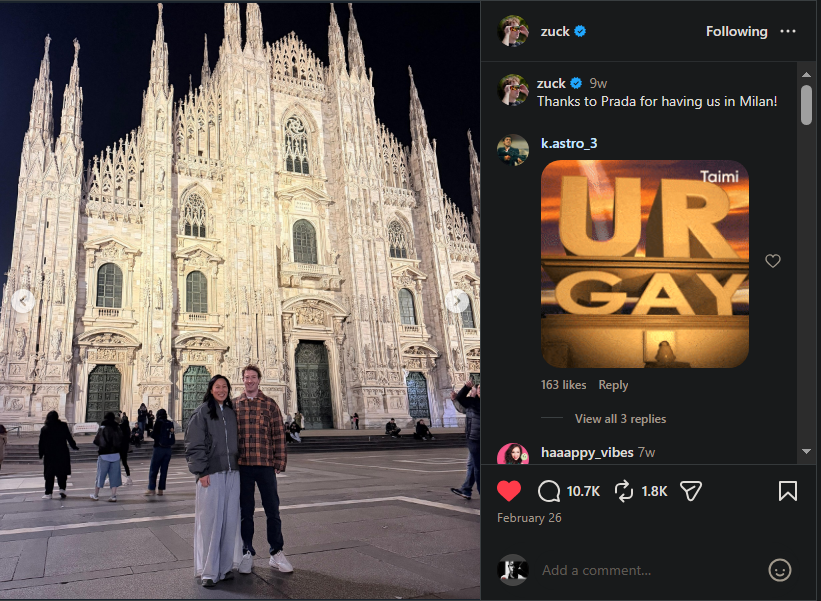
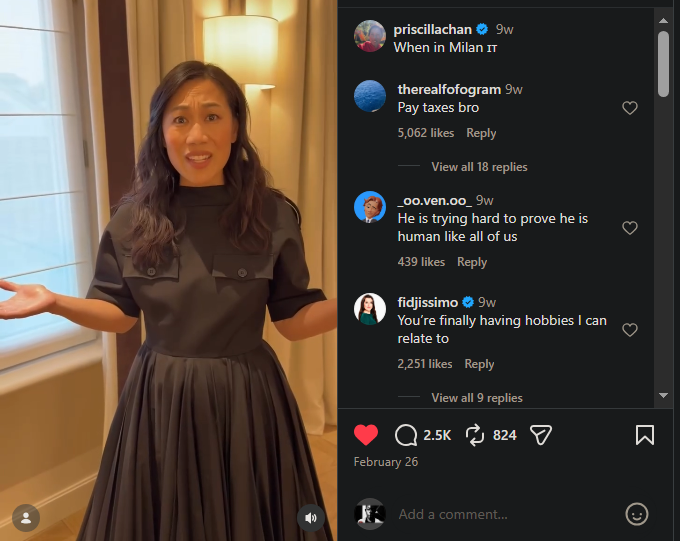
- They also attended Milan Fashion Week in February, including a Prada presentation.
- Zuckerberg and Chan have been married since 2012 and have three daughters.
- Valuations of top luxury brands have seen a 5% decline.
- Over 60% of US and UK consumers are trying to save money on fashion.
Tech Titans Descend on Fashion's Elite Circle
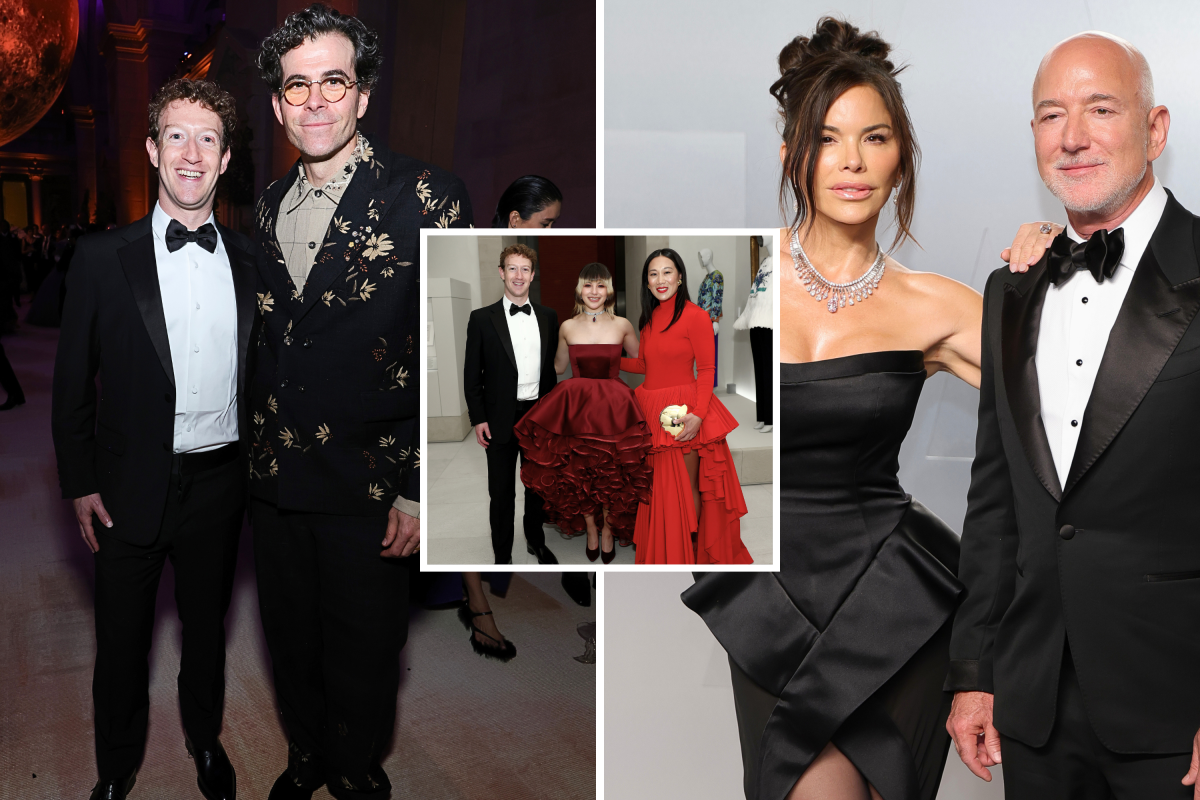
Tech billionaires, long perceived as outsiders to the world of haute couture, are increasingly occupying front-row seats at fashion's most exclusive events. This shift sees figures like Jeff Bezos funding the Met Gala and attending high-profile parties, while Mark Zuckerberg, alongside Instagram head Adam Mosseri, made a notable appearance at the 2026 Met Gala. Their presence, alongside earlier engagements at Milan Fashion Week and past appearances by Jack Dorsey and Elon Musk, signals a new dynamic between Silicon Valley and the luxury fashion industry. This convergence of tech wealth and fashion's upper echelons raises questions about motives. While some, like Dorsey, are rumored to have a genuine interest in design, the broader trend suggests a strategic move by tech leaders. Experts characterize this as a "convergence of power, influence, and long-term positioning," where financial success is no longer the sole objective. Fashion, particularly at the luxury level, is seen as one of the last bastions of visible symbolic power, offering legitimacy and influence. However, this tech influx occurs at a critical juncture for the fashion industry. Luxury brands are facing headwinds, with a notable decline in valuations and slowing growth. This presents a paradox: as fashion seeks new avenues for relevance and value, tech titans are stepping into the spotlight, potentially seeking to leverage fashion's enduring allure.
A Star-Studded Met Gala Debut
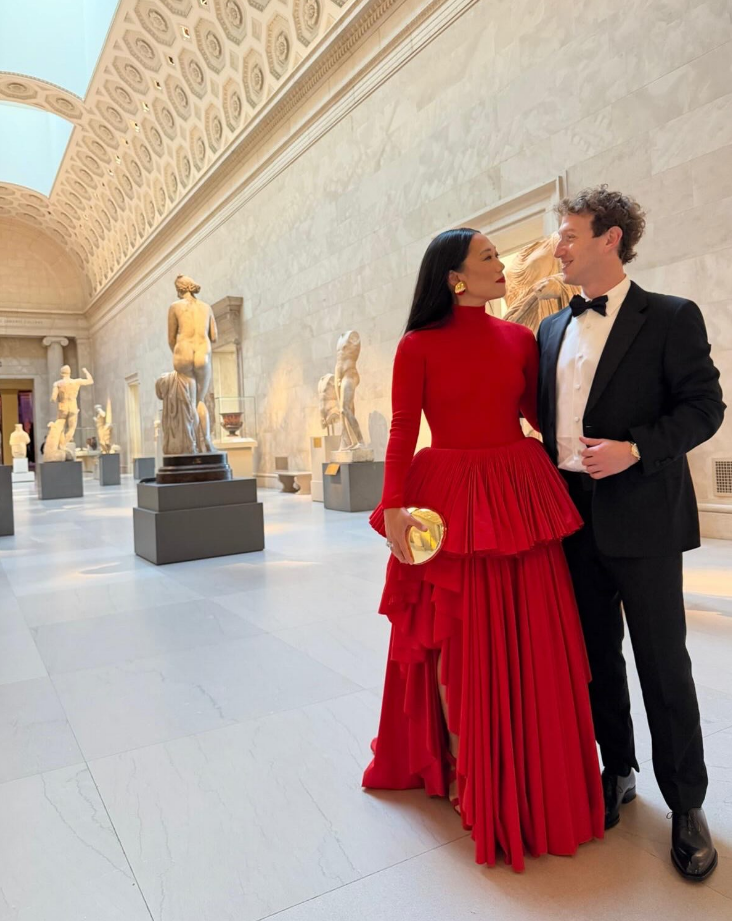
Mark Zuckerberg, the 41-year-old founder of Meta, and his wife, pediatrician Priscilla Chan, 41, made their highly anticipated debut at the 2026 Met Gala on May 4. Hosted at the Metropolitan Museum of Art in New York, the couple opted for an interior visit to view the "Costume Art" exhibit rather than walking the traditional red carpet. Chan wore an elegant red gown with long sleeves and a turtleneck, while Zuckerberg sported a classic black tuxedo and bowtie, adhering to the "Fashion Is Art" dress code. Inside the museum, the couple, married since 2012 and parents to three daughters—Maxima, August, and Aurelia—were seen in conversation with musician Jon Batiste and fellow tech executive Adam Mosseri. This Met Gala appearance follows their earlier immersion in the fashion world earlier in the year, including attending Milan Fashion Week in February and being front-row guests at a Prada presentation. Zuckerberg marked the Milan trip with an Instagram post, humorously referencing a scene from the movie "Grown Ups" to capture the excitement of their visit, which also coincided with Chan's birthday. Despite their efforts to maintain privacy in their personal lives, the couple has consistently highlighted their deep connection and mutual admiration, with Chan recently posting about Zuckerberg's belief in people's potential.
Fashion Faces a Downturn, Seeks New Influence
The luxury fashion sector is grappling with a significant slowdown, a stark contrast to its previous boom years. indicates a 5% decrease in the combined valuations of thirteen prominent personal luxury brands within the top 100 global companies, falling from $263.3 billion to $249.6 billion. Once a high-growth segment, luxury now ranks among the weakest sectors. further forecasts a decline in value generation for the sector compared to the previous year. Even historically robust brands like Hermès are not immune to these shifting market dynamics. Analysts are increasingly declaring the end of the luxury supercycle, attributing the downturn to several factors including weakened consumer spending, a retreat of aspirational buyers, and a growing disinterest among younger generations. This generational shift is palpable, with Gen Z embracing thrifting and vintage shopping, while simultaneously voicing strong online criticism of mid-tier brands for perceived price gouging on lower-quality materials. Data from the Bureau of Economic Analysis shows a 0.4% drop in apparel spending in January, and a joint report by Business of Fashion and McKinsey reveals that over 60% of consumers in the U.S. and U.K. are actively trying to reduce their fashion expenditures, a figure that rises to 75% among U.S. shoppers alone.
The Strategic Appeal of Symbolic Power
Neri Karra Sillaman, an entrepreneurship expert at Oxford University and author of "Fashion Entrepreneurship, Pioneers," offers a compelling analysis of the tech elite's engagement with fashion. She posits that their interest stems from a desire for "symbolic power" in an era where financial success is no longer the ultimate goal. who has interviewed numerous tech founders, high-end fashion represents one of the last remaining industries that visibly confers status and influence. By participating in fashion weeks and attending exclusive events, tech leaders aim to "borrow from that influence and legitimacy," integrating themselves into circles that command significant cultural capital. This pursuit of symbolic power is particularly relevant as the fashion industry itself faces an urgent need for innovation and engagement. The tech sector, with its vast resources and forward-thinking methodologies, is uniquely positioned to offer solutions, even as its leaders seek to benefit from fashion's established prestige. It represents a symbiotic, albeit complex, relationship where both parties stand to gain, albeit for different reasons.
A New Era of Tech-Fashion Interplay
The increasing visibility of tech billionaires at fashion events marks a significant evolution in the relationship between technology and luxury. It suggests a strategic move by individuals who have achieved peak financial success to cultivate influence in sectors that offer a different kind of currency – cultural cachet and symbolic power. As fashion navigates economic headwinds and changing consumer preferences, the involvement of tech leaders could herald new forms of engagement, investment, and even creative direction. The presence of figures like Zuckerberg and Chan at the Met Gala, following their attendance at Milan Fashion Week, underscores a sustained interest that goes beyond mere attendance. This trend is likely to continue, prompting a re-evaluation of how influence is wielded and perceived across different industries. The question remains whether this is a fleeting trend driven by individual interests or a more profound integration that will reshape both the tech and fashion landscapes for years to come.
The bottom line
- Mark Zuckerberg and Priscilla Chan made their debut at the 2026 Met Gala, highlighting a growing tech presence in the luxury fashion world.
- Tech leaders are increasingly engaging with high-end fashion, seeking symbolic power and influence beyond financial success.
- The luxury fashion industry is experiencing a downturn, with declining brand valuations and reduced consumer spending.
- Younger generations are shifting preferences, favoring vintage and thrifted fashion over traditional luxury labels.
- Zuckerberg and Chan's attendance at Milan Fashion Week and the Met Gala indicates a sustained interest in the fashion sector.
- The convergence of tech and fashion suggests a strategic interplay where both industries may seek mutual benefit amidst changing market conditions.


OPay Users Face Woes Amidst Erroneous Transfers and Withheld Funds

Abuja Minister Defends Jabi Lake Land Revocation Amidst Pastor's Plea

Access Holdings Faces Dividend Halt Over Foreign Exposure Breach
