Global May Day protests demand peace and higher wages amid Iran war economic fallout
From Manila to Paris, workers take to the streets on International Workers’ Day, targeting Trump administration policies and rising living costs.

NIGERIA —
Key facts
- May Day Strong coalition, backed by 50501 and Indivisible, calls for nationwide U.S. boycott of work, school, and shopping on May 1.
- European Trade Union Confederation, representing 93 organizations in 41 countries, says workers refuse to pay for 'Trump’s war in the Middle East'.
- In Manila, protesters clashed with police near the U.S. Embassy, demanding higher wages and lower taxes.
- Indonesian President Prabowo Subianto joined a May Day rally in Jakarta, greeting tens of thousands amid tight security.
- Pakistan’s government estimates inflation at about 16%, driven by rising oil prices, as daily wage earners struggle to afford time off.
- May Day is a public holiday in many countries including India, Germany, Spain, Portugal, China, France, and Greece, but not in the U.S.
Workers worldwide take to streets on May Day
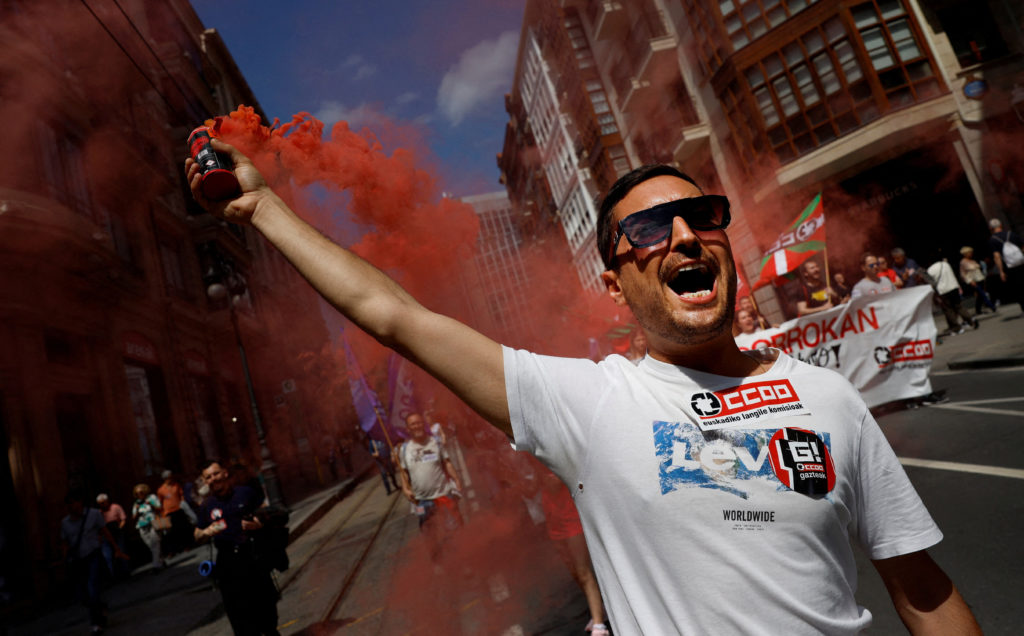
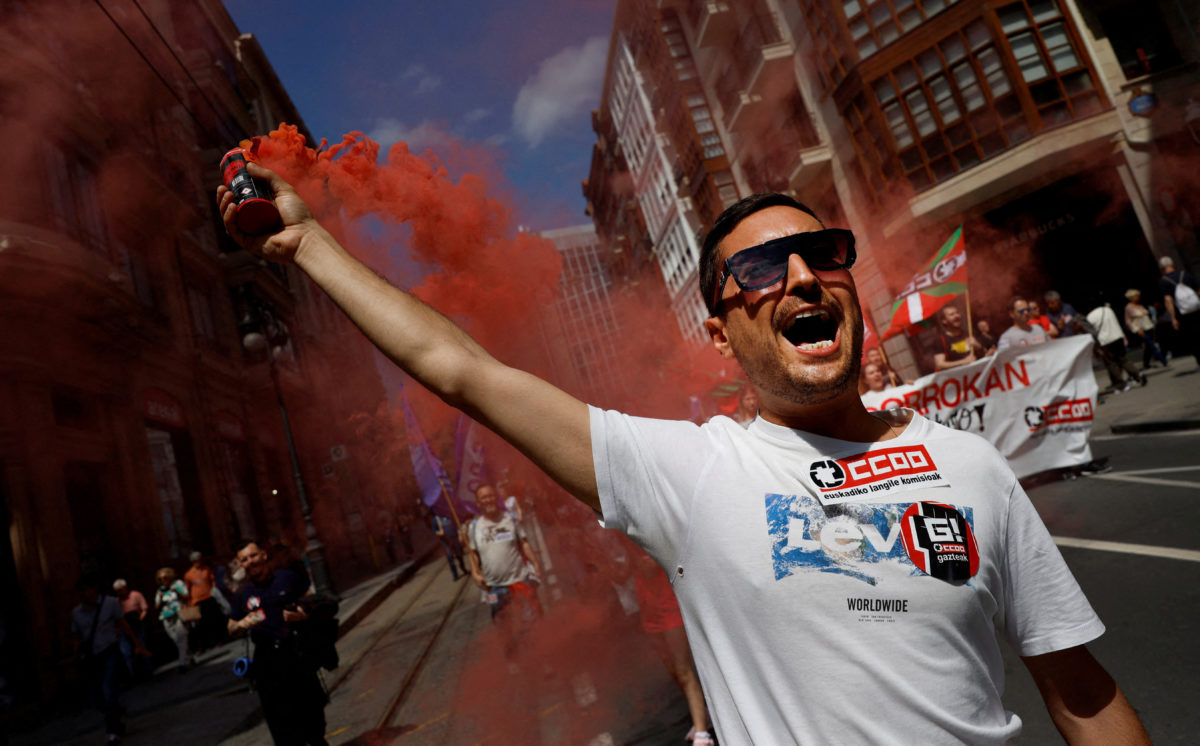
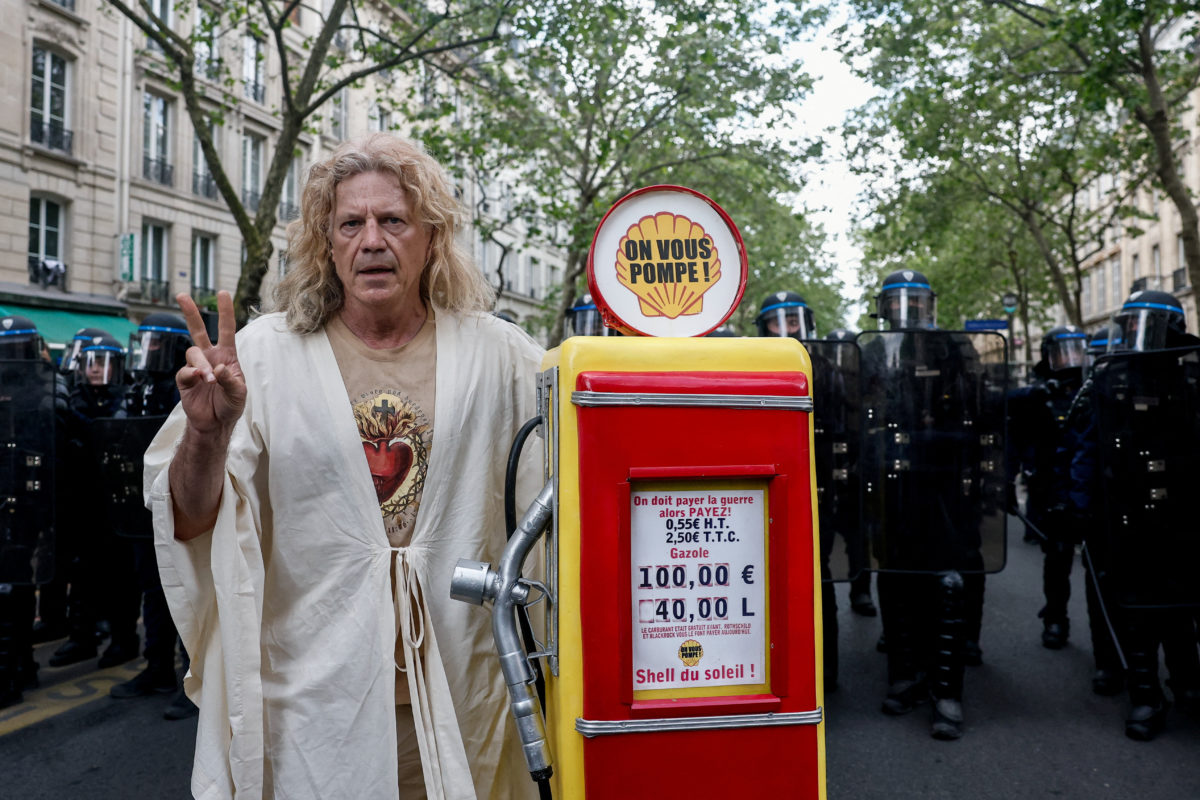
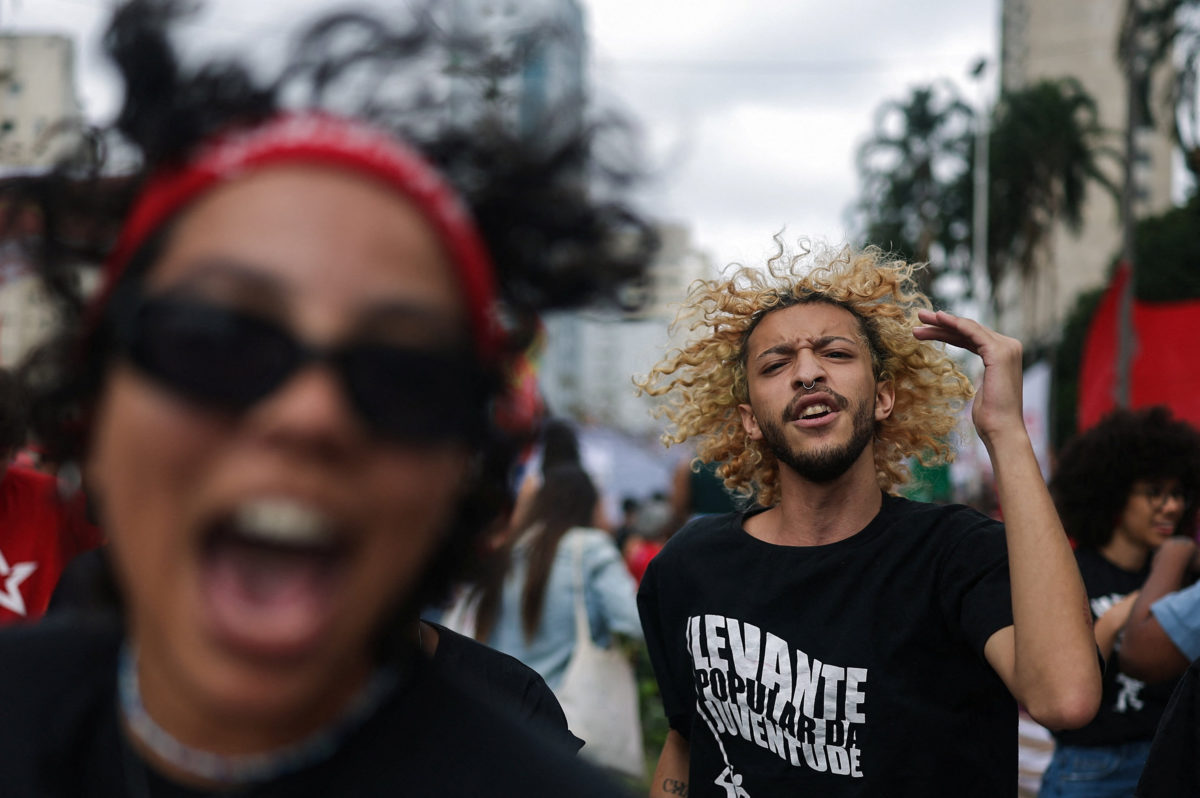
Activists across the globe gathered for May Day rallies and street protests on Friday, calling for peace, higher wages, and better working conditions as many workers grapple with rising energy costs and shrinking purchasing power tied to the Iran war. May 1, known as International Workers’ Day or Labor Day, is a public holiday in many countries, and demonstrations were held from Seoul, Sydney, and Jakarta to European capitals and cities across the United States. In the United States, the May Day Strong movement, a national coalition of hundreds of labor unions, immigration advocates, and community groups including 50501 and Indivisible, is anchoring hundreds of protests, rallies, demonstrations, and walkouts. Organizers urge people to stay home from work or school and avoid shopping for the day as a show of solidarity to demand a nation 'that puts workers over billionaires.'
Economic pain from Iran war fuels global anger
Rising living costs linked to the conflict in the Middle East emerged as a key theme in Friday’s rallies. The European Trade Union Confederation, which represents 93 trade union organizations in 41 European countries, stated: 'Working people refuse to pay the price for Donald Trump’s war in the Middle East. Today’s rallies show working people will not stand by and see their jobs and living standards destroyed.' In the Philippines’ capital of Manila, large crowds marched to call for higher wages and lower taxes as protesters denounced the United States’ role in the Iran war. Some held banners reading 'no troops, no bases, no war games, resist U.S.-led wars.' Protesters clashed with police blocking the way near the U.S. Embassy. 'Every Filipino worker now is aware that the situation here is deeply connected to the global crisis,' said Josua Mata, leader of SENTRO umbrella group of labor federations.
Indonesian president joins rally as workers demand relief
In Indonesia, President Prabowo Subianto joined a May Day rally in the capital, Jakarta, greeting tens of thousands of people amid a tight police and military presence. Workers called for stronger government protection amid rising prices and difficulties in finding raw materials for their industry. 'Workers are already living paycheck to paycheck,' said Said Iqbal, president of the Indonesian Trade Union Confederation. In Pakistan, May Day is a public holiday marked by rallies, but many daily wage earners cannot afford to take time off. 'How will I bring vegetables and other necessities home if I don’t work?' said Mohammad Maskeen, a 55-year-old construction worker near Islamabad. Rising oil prices have fueled inflation, which the government estimates at about 16%, in a country heavily reliant on financial support from the International Monetary Fund and allied nations.
U.S. protests target Trump policies and corporate power
In the United States, activists opposing President Donald Trump’s policies are planning marches and boycotts. Organizers have framed this year’s May Day actions as opposition to the Trump administration, citing immigration enforcement actions by Immigration and Customs Enforcement (ICE) and the war in Iran as part of a broader movement to push back against corporate influence and federal labor decisions. On Friday, organizers say protesters across the country will stand up and demand 'that we tax the rich,' which organizers have backed with a 71-page policy roadmap and affordability agenda, according to the official maydaystrong.org website. Events are listed in major metro areas like New York City and Philadelphia, and across smaller communities as events are added in the days leading up to May Day. In 2025, scores of people filled the streets in New York City, Washington D.C., Philadelphia, Denver, Chicago, and Los Angeles.
May Day’s global significance and historical roots
May Day, also known as International Workers’ Day, commemorates the historic struggles and gains made by workers and the labor movement. While not a federal holiday in the United States, May Day is a holiday in many countries including India, Germany, Spain, Portugal, China, France, and Greece, a similar observance — Labor Day — is the first Monday of September. In recent years, May Day has taken on a political narrative in the U.S., with labor unions and advocacy groups using the date to launch rallies, marches, and demonstrations, drawing attention to wages, working conditions, and broader economic concerns. Organizers say the May 1 protests are intended to be flexible, allowing people to participate in different ways, from attending rallies to skipping work or school or limiting spending for the day.
Outlook: Stakes for workers and potential disruptions
For many families and workers, the immediate question is what May 1 actions could mean, whether workplaces or schools close, or if public services will be affected. While organizers have emphasized voluntary participation, calls for walkouts, rallies, marches, and boycotts have raised questions about possible disruptions. In the U.S., the May Day Strong movement is backed by hundreds of organizations, and the coalition’s 71-page policy roadmap outlines demands for taxing the rich and addressing the affordability crisis. The global demonstrations underscore a widespread frustration with rising costs, stagnant wages, and the economic toll of the Iran war. As workers from Manila to Paris make their voices heard, the May Day protests signal a coordinated pushback against policies that many see as prioritizing corporate and geopolitical interests over the well-being of ordinary people.
The bottom line
- May Day 2026 protests are global, with a focus on the economic impact of the Iran war and opposition to Trump administration policies.
- The May Day Strong coalition in the U.S. calls for a nationwide boycott of work, school, and shopping on May 1.
- Rising energy prices and inflation, exacerbated by the Iran conflict, are central grievances in protests from Asia to Europe.
- In the Philippines, protesters clashed with police near the U.S. Embassy, demanding higher wages and lower taxes.
- Indonesian President Prabowo Subianto attended a May Day rally, highlighting the political significance of the day.
- Pakistan’s daily wage earners face a dilemma: participate in rallies or work to afford basic necessities amid 16% inflation.
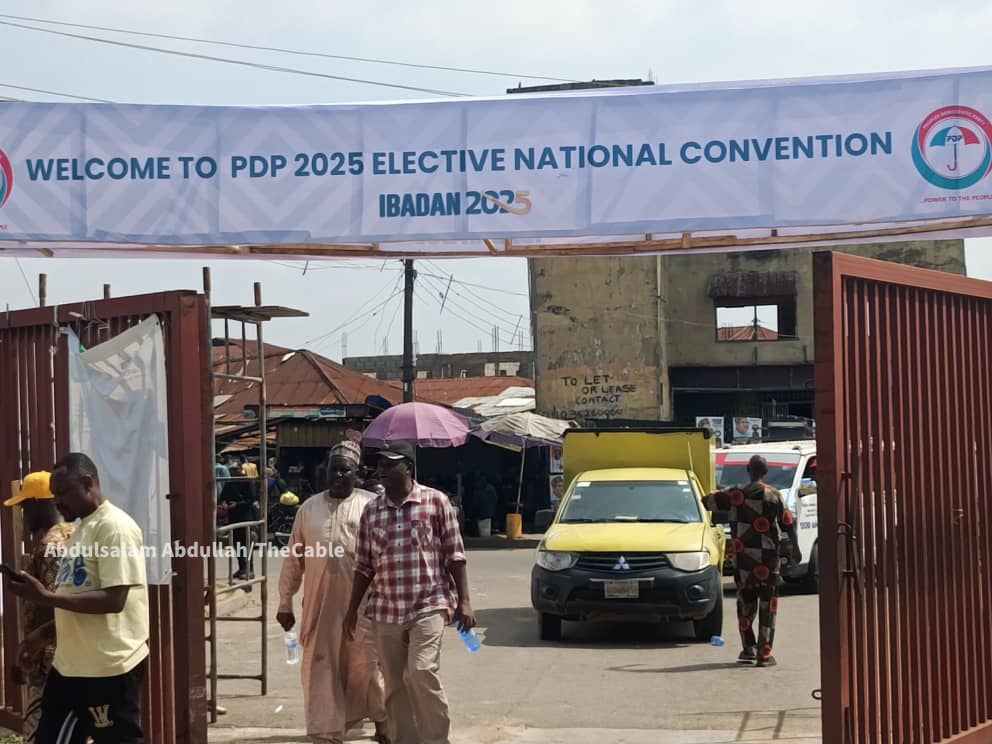
Nigeria Supreme Court Invalidates PDP Convention, Sends ADC Leadership Dispute Back to Trial Court

Bodø/Glimt Host Start in Eliteserien Round 18 Mismatch
Nigeria Declares May 1, 2026, Public Holiday for Workers' Day as Minister Hails Labour's Dedication
