Michael Jackson Biopic Defies Critics with $217M Global Opening, Faces Backlash Over Sanitized Narrative
The film, produced by Jackson's estate and family, omits child abuse allegations after a $50 million reshoot triggered by a rediscovered non-disclosure agreement.
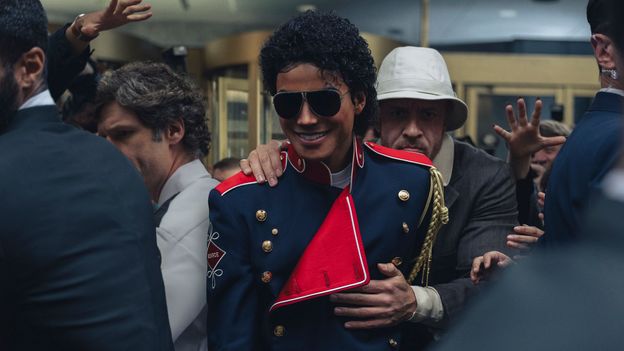
NIGERIA —
Key facts
- Michael earned $217 million globally in its opening weekend, the highest ever for a biopic.
- The film's U.S. opening was $97 million, with a worldwide total of $217.4 million.
- Rotten Tomatoes critics gave it 38%, while audiences rated it 97%.
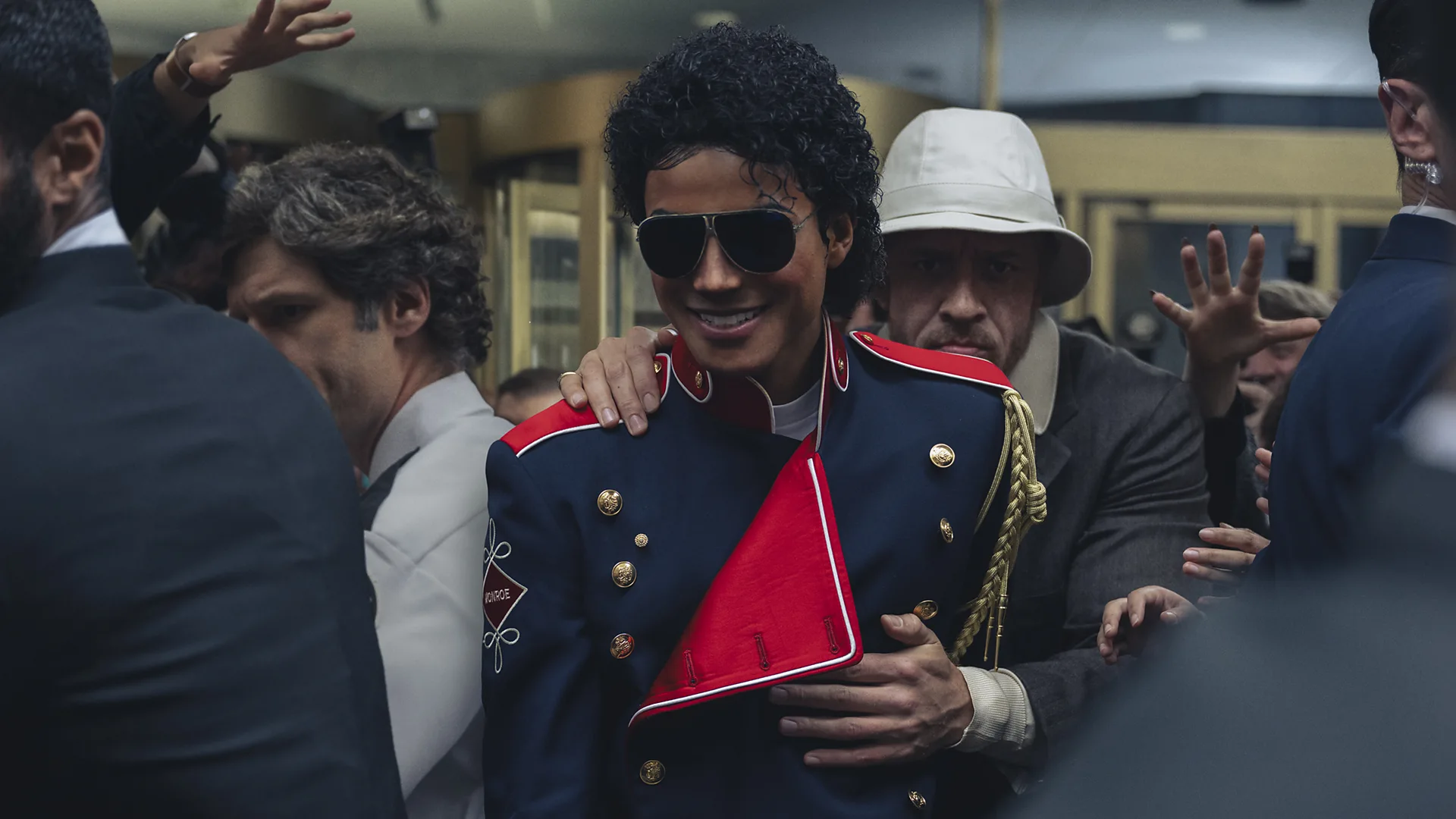
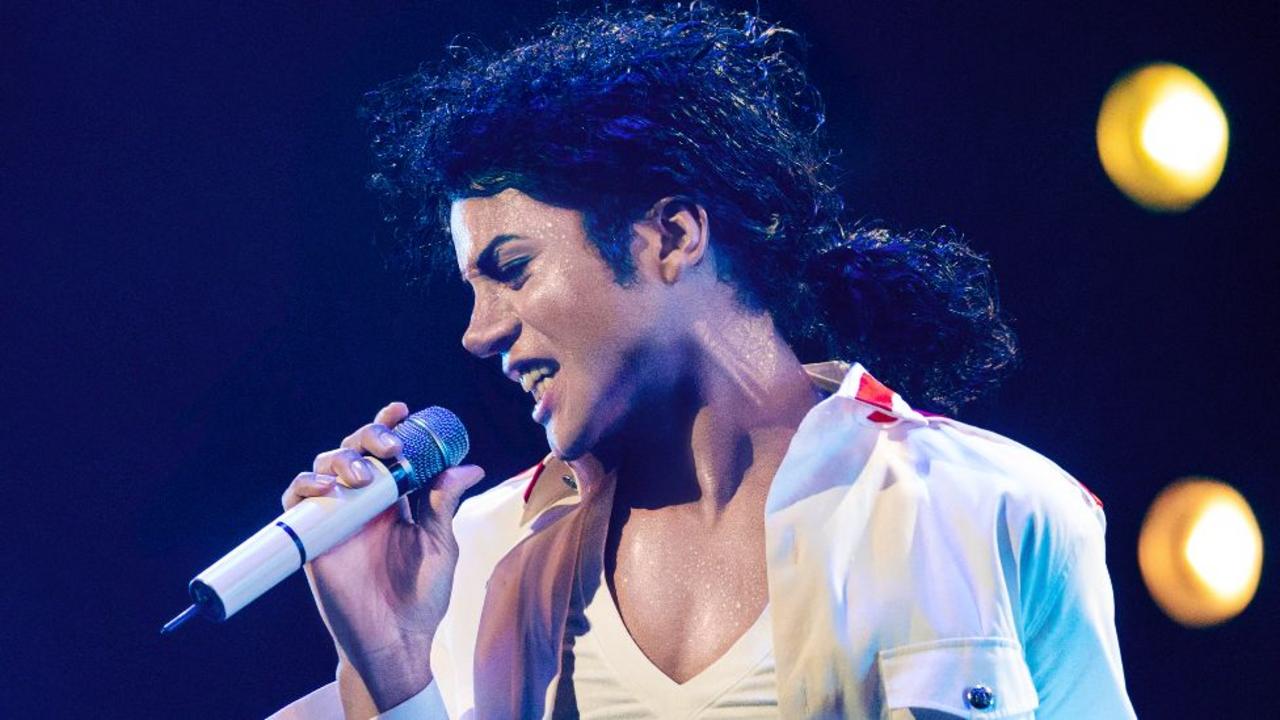
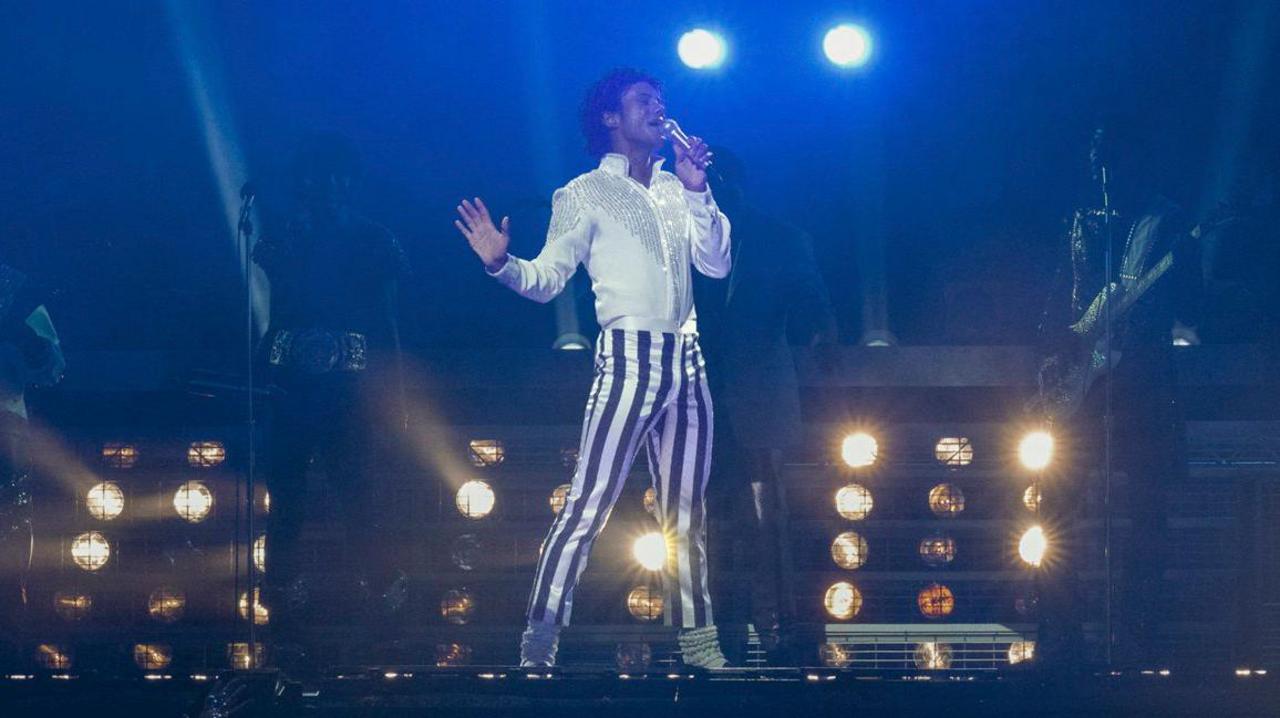
- Jaafar Jackson, Michael Jackson's nephew, plays the lead role.
- The film cost $200 million to produce after $50 million in reshoots.
- Reshoots were required after a non-disclosure agreement with accuser Jordan Chandler was rediscovered.
- The movie ends in the mid-1980s, before child abuse allegations emerged.
- Director Antoine Fuqua previously worked on Training Day and music videos for Prince and Coolio.
Box Office Triumph Amid Critical Scorn
Michael, the controversial biopic of Michael Jackson, has stormed the global box office with a record-breaking $217 million opening weekend, surpassing the previous biopic record held by Bohemian Rhapsody. The film earned $97 million in the United States alone, making it the biggest debut for director Antoine Fuqua. Yet the financial success stands in stark contrast to the critical reception. On Rotten Tomatoes, the film scored a meager 38% from critics, who derided it as a saccharine, sanitized portrayal that omits the child abuse allegations that dogged Jackson's later career. Audiences, however, awarded it a 97% approval rating, signaling a deep divide between reviewers and the public. Lionsgate chairman Adam Fogelson attributed the strong box office to broad demographic appeal, stating, "You don't deliver this figure unless you're seeing huge numbers across every conceivable demographic."
A Biopic That Sidesteps Controversy
The film, produced by Jackson's estate and several family members, deliberately avoids any mention of the child sexual abuse accusations that haunted the singer. The narrative stops in the mid-1980s, before the first allegations surfaced in 1993. Jackson was found not guilty of child molestation in 2005, but the film's omission has drawn sharp criticism. Originally, the third act was to focus on accuser Jordan Chandler, whose 1993 allegations led to a settlement. However, the rediscovery of a non-disclosure agreement from that settlement forced filmmakers to scrap the footage. The clause prohibited Jackson's estate from ever mentioning Chandler in any movie, leading to $50 million in reshoots and pushing the net production cost to $200 million. Director Antoine Fuqua, who had finished principal photography, had to pass on other jobs to accommodate the 20-day reshoot. He described the challenge as a "curveball" but said the estate took responsibility for the oversight.
Cast and Creative Team: Family Ties and Hollywood Veterans
The title role is played by Jaafar Jackson, the singer's nephew, cast primarily for his striking physical resemblance to his uncle. Jaafar's performance lacks emotional range, but he is rarely required to do more than smile. The supporting cast includes Colman Domingo as the abusive father Joe Jackson, Nia Long as mother Katherine Jackson, and Miles Teller as lawyer John Branca, who is also a producer. Jackson's brothers appear but are forgettable, and sister Janet Jackson is entirely absent from the film. The screenplay was written by John Logan, known for Gladiator and The Aviator, yet the dialogue has been described as having "all the nuance of a road sign." Director Antoine Fuqua, who made his name with Training Day, previously directed music videos for artists including Prince and Coolio. Producer Graham King, who also produced Bohemian Rhapsody, aimed for a similar success, but critics argue the film lacks the dramatic tension of that Oscar-winning biopic. The film uses Jackson's original vocals for musical numbers, which dominate the runtime.
Fuqua's Vision: Humanizing the King of Pop
Fuqua said his goal was to "humanize Michael" and remind younger generations of his musical genius. In an interview, he explained, "I wanted people to get to know him: how eccentric he was, how he was as a young man. In order to tell anything about Michael, you had to remind people about the magic of him." He described Jackson as "one of the most complex characters to tell a story about." Fuqua never met Jackson in person, only speaking with him once by phone when he was considered to direct the 1992 music video "Remember the Time." He was in Italy at the time and could not participate. The director's involvement with Michael began when cinematographer Bob Richardson showed him a test photo of Jaafar Jackson, which Fuqua initially mistook for the real Michael Jackson. Despite the film's commercial success, Fuqua acknowledged the challenges of balancing Jackson's legacy with the darker aspects of his life. The final cut, however, leans heavily on the positive, presenting Jackson as a saintly figure who smiles through hospital visits and animal purchases, leaving viewers to wonder how such a "sweet and saintly innocent" could have written sexually charged songs like "Billie Jean."
The Rise of Musical Biopics and the Jackson Estate's Strategy
Michael joins a wave of musical biopics that Hollywood has embraced as reliable box office hits. Recent years have seen films about Queen, Elton John, Bob Dylan, Aretha Franklin, Elvis Presley, Bruce Springsteen, Bob Marley, Amy Winehouse, NWA, Robbie Williams, and Whitney Houston. The genre's formula often involves estate-approved narratives that gloss over controversy in favor of feel-good nostalgia. Jackson's estate financially backed Michael, ensuring control over the portrayal. The decision to omit the abuse allegations was partly legal, but also strategic: the estate sought to protect Jackson's legacy and maximize box office appeal. The film's strong audience scores suggest the strategy is working, at least commercially. However, critics argue that the sanitized approach does a disservice to Jackson's artistry. One review noted, "It was clearly intended as a tribute to him as a person, but it's a grievous insult to him as an artist." The film's bland direction and lack of dramatic stakes have led some to predict it will be a contender for the Razzie Awards, despite its financial success.
What Comes Next: Sequel Possibilities and Ongoing Debate
Director Fuqua has hinted at the possibility of a sequel that could cover Jackson's later years, including the allegations. In his interview, he noted that the film's current ending leaves room for continuation. However, any sequel would face the same legal constraints regarding the non-disclosure agreement with Jordan Chandler, unless the estate renegotiates or finds another narrative path. For now, Michael is set for release in the UK on April 22 and in the US on April 24. The film's polarized reception ensures that the debate over Jackson's legacy will continue. While audiences embrace the nostalgic celebration of his music, critics and advocates for abuse survivors argue that omitting the allegations whitewashes history. The film's box office performance may encourage other estates to pursue similar hagiographic projects, but it also raises questions about the ethics of separating art from the artist. As one critic put it, "Whatever you think of Jackson, he was driven to create spectacular and innovative entertainment. And yet the film has none of that spirit."
The bottom line
- Michael earned $217 million globally in its opening weekend, the highest ever for a biopic, despite a 38% critics' score on Rotten Tomatoes.
- The film omits all child abuse allegations, ending its narrative in the mid-1980s, after a $50 million reshoot forced by a rediscovered non-disclosure agreement.
- Jaafar Jackson, the singer's nephew, stars as Michael, with a cast including Colman Domingo, Nia Long, and Miles Teller.
- Director Antoine Fuqua aimed to humanize Jackson, but critics panned the film as a sanitized, reverential hagiography.
- The Jackson estate financially backed the film, ensuring control over the portrayal and prioritizing commercial appeal over critical depth.
- A sequel covering Jackson's later years is possible, but legal constraints from the Chandler settlement may limit narrative options.


Southampton Seek Play-Off Momentum at Preston in Final Championship Clash
Magic stun Pistons 94-88, take 3-1 series lead, one win from historic upset
/https%3A%2F%2Fsportsmole-media-prod.s3.gra.io.cloud.ovh.net%2Fuploads%2F2025%2F10%2Fucar-68f16b152a7a0637638803.jpg)
Qazim Laci Inspires Rizespor to 3-2 Victory, Ending Konyaspor's Unbeaten Run
