Peter Obi Abandons ADC Amid Fears of Legal Traps, Aligns with Kwankwaso
The former Labour Party candidate and ex-Governor Rabiu Musa Kwankwaso are in advanced talks with alternative platforms after a Supreme Court ruling deepened the party's crisis.

NIGERIA —
Key facts
- Peter Obi received 6.1 million votes in the 2023 presidential election.
- Bola Tinubu won the 2023 election with 8.79 million votes.
- Obi won Lagos and Abuja in 2023 but lost overall to Tinubu.
- The Supreme Court ruling on ADC's leadership crisis failed to resolve internal disputes.
- Insiders describe the ADC internal situation as 'a setup' designed to eliminate candidates on technical grounds.
- Atiku Abubakar's refusal to step aside has 'shut the door completely' on a unified opposition front.
- Obi and Kwankwaso have 'stepped back deliberately' from ADC and are in advanced alternative platform talks.
Obi and Kwankwaso Exit ADC After Supreme Court Ruling
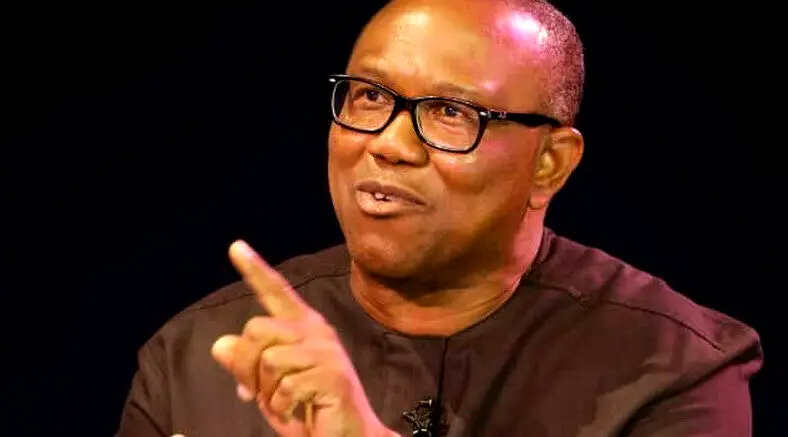
Former Labour Party presidential candidate Peter Obi has abandoned the African Democratic Congress (ADC), multiple high-level insiders confirmed, following a Supreme Court ruling that deepened the party's leadership crisis rather than resolving it. The decision, described by sources as final, marks a significant realignment in Nigeria's opposition landscape ahead of the 2027 elections. Rabiu Musa Kwankwaso, the former Kano State governor, is 'fully aligned' with Obi and 'moving in the same direction,' according to sources at the centre of the negotiations. Both camps have agreed that 'staying in ADC under these conditions is a risk we're not willing to take.' The withdrawal process is already underway, with Obi and Kwankwaso having 'stepped back deliberately.' Discussions around alternative political platforms have moved beyond preliminary stages; one insider stated, 'Alternative platform talks are not exploratory anymore, they're advanced.'
Internal Crisis and Fear of Legal Traps Drove the Exit
Insiders described the internal situation within the ADC bluntly as 'a setup.' One source explained: 'The plan is simple, bring everyone in, then knock them out on technical grounds.' Concerns over potential legal battles appear to be a major factor driving the exit. 'Once this gets to the Federal High Court, it's over. Nobody will rescue you,' a senior source warned, pointing to fears that unresolved party disputes could jeopardize future candidacies. Despite the Supreme Court's intervention, insiders insist the ruling has done little to stabilize the party. 'The Supreme Court didn't solve anything,' a source said. 'It made the situation worse, and the legal risk is still hanging.' Another insider emphasized the inevitability of the move: 'This is not a maybe. It's happening. The only thing left is timing.'
Atiku Abubakar's Stance Hardens Opposition Divisions
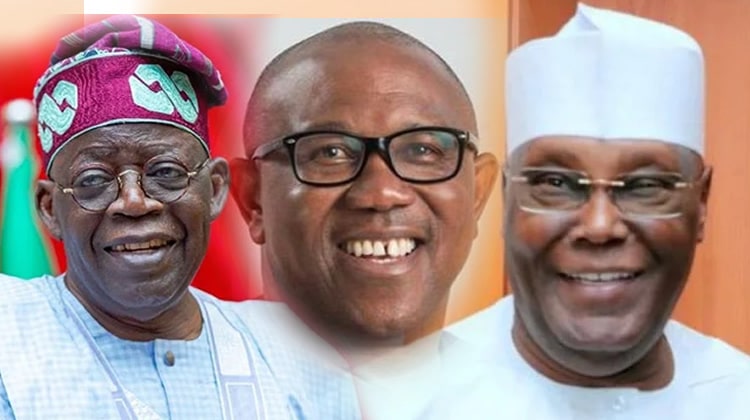
The crisis is further compounded by tensions involving former Vice President Atiku Abubakar. Insiders claim his stance has 'shut the door completely,' noting that 'his refusal to step aside has hardened everything, there's no path forward like this.' Atiku, who ran as the Peoples Democratic Party (PDP) candidate in 2023, has not indicated any willingness to step aside for a joint opposition ticket. Earlier, Sam Amadi, Director of the Abuja School of Social and Political Thought, had called for a joint ticket between Atiku and Obi, asserting that 'If O Cannot Win, A Cannot Win.' However, the current realignment suggests that Obi and Kwankwaso are moving away from such a coalition, at least within the ADC framework. The refusal to step aside has effectively blocked any unified opposition front, pushing Obi and Kwankwaso to seek alternative platforms where they can secure presidential tickets without competitive primaries.
Obi's Political Trajectory: From 6.1 Million Votes to Uncertain Platform
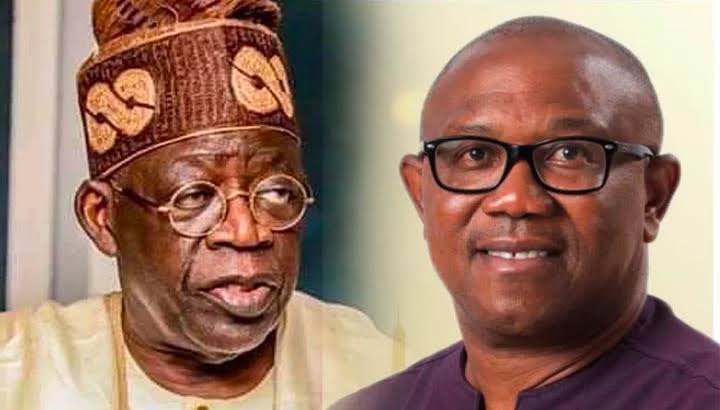
Peter Obi emerged as a major political force in the 2023 elections, securing 6.1 million votes as the Labour Party candidate. He won in both Lagos and Abuja, the commercial capital and the federal capital territory, but ultimately lost to Bola Tinubu of the All Progressives Congress, who was declared president-elect with 8.79 million votes. Since then, Obi has been navigating a shifting political landscape. He had reportedly been considering the ADC as a platform for 2027, but concerns over his chances of securing the party's presidential ticket—especially if Atiku also joined the race—prompted a rethink. Sources had earlier claimed Obi was in discussions with other platforms that could offer a clearer path to automatically clinch the nomination without a competitive primary. The decision to leave the ADC now appears to be a strategic move to avoid internal contests and legal uncertainties, allowing him to focus on building a coalition with Kwankwaso and other opposition figures.
Wider Opposition Realignments and Economic Demands
The exit of Obi and Kwankwaso from the ADC signals a broader realignment in Nigeria's opposition space. Political analysts suggest that ongoing negotiations and party consultations across the opposition may intensify in the coming months as key figures position themselves for 2027. The Kwankwasiyya movement, associated with Kwankwaso, and the Obidient movement, loyal to Obi, are expected to form a formidable bloc. Meanwhile, Obi has continued to press for economic reforms. He recently demanded an urgent wage review and broad economic reforms, warning that worsening economic conditions continue to undermine Nigerians. His call for action comes amid rising hardship, which he argues requires immediate government intervention. The opposition realignments are taking place against a backdrop of economic distress, with many Nigerians struggling with inflation and unemployment. Obi's focus on economic issues may help him retain support among his base, even as he navigates party politics.
What Comes Next: Advanced Talks and Timing
Multiple sources confirmed that the withdrawal process is already underway, with Obi and Kwankwaso having 'stepped back deliberately.' Discussions around alternative political platforms have moved beyond preliminary stages. 'Alternative platform talks are not exploratory anymore, they're advanced,' one source disclosed. As of press time, neither Obi nor the ADC leadership has publicly responded to the report. The ADC, already weakened by the defection of a top Reps member, faces further erosion of its political relevance. The Supreme Court ruling, which was expected to resolve the leadership crisis, has instead deepened divisions. The only question remaining is the timing of the official announcement. Insiders insist that the move is inevitable, with one stating, 'This is not a maybe. It's happening. The only thing left is timing.' The coming weeks are likely to see formal declarations as Obi and Kwankwaso unveil their new political platform.
A New Opposition Bloc Emerges
The departure of Obi and Kwankwaso from the ADC marks the birth of a new opposition coalition that could reshape Nigeria's political landscape. By aligning with each other and seeking a platform free from legal entanglements, they aim to present a united front against the ruling All Progressives Congress in 2027. However, the challenge of building a broad coalition remains. Atiku's refusal to step aside and the fragmentation of opposition parties mean that the path to a unified challenge is still fraught with obstacles. The new bloc will need to navigate internal differences and convince voters that it offers a credible alternative. For now, the focus is on securing a stable platform. With advanced talks already underway, the next few months will be critical in determining whether Obi and Kwankwaso can translate their alliance into electoral success. The stakes are high: Nigeria's democracy and economic future hang in the balance.
The bottom line
- Peter Obi and Rabiu Musa Kwankwaso have abandoned the ADC due to unresolved leadership crisis and fears of legal traps.
- The Supreme Court ruling worsened the ADC's internal disputes, prompting the exit.
- Atiku Abubakar's refusal to step aside has blocked a unified opposition front within the ADC.
- Obi and Kwankwaso are in advanced talks with alternative political platforms to secure automatic presidential tickets.
- Obi continues to push for urgent wage reviews and economic reforms amid worsening hardship in Nigeria.
- The opposition realignment signals a major shift ahead of the 2027 elections, with a new coalition likely to emerge.




Dangote Refinery to Expand to 1.4 Million Barrels Per Day, Creating 95,000 Jobs

NELFUND Student Loan a 'Lifesaver' for LAUTECH First-Class Graduates, Testimonials Show

Pi Network Activates Protocol 22, Sets May 11 for Smart Contract Launch as Token Faces Market Headwinds