Pi Network Positions 18 Million Verified Users as AI Workforce After 526 Million Tasks
The blockchain project argues that its KYC-verified human network, already tested at scale, offers a solution to AI's need for authentic human judgment.
NIGERIA —
Key facts
- Over 18 million people in more than 200 countries have completed KYC verification on Pi Network.
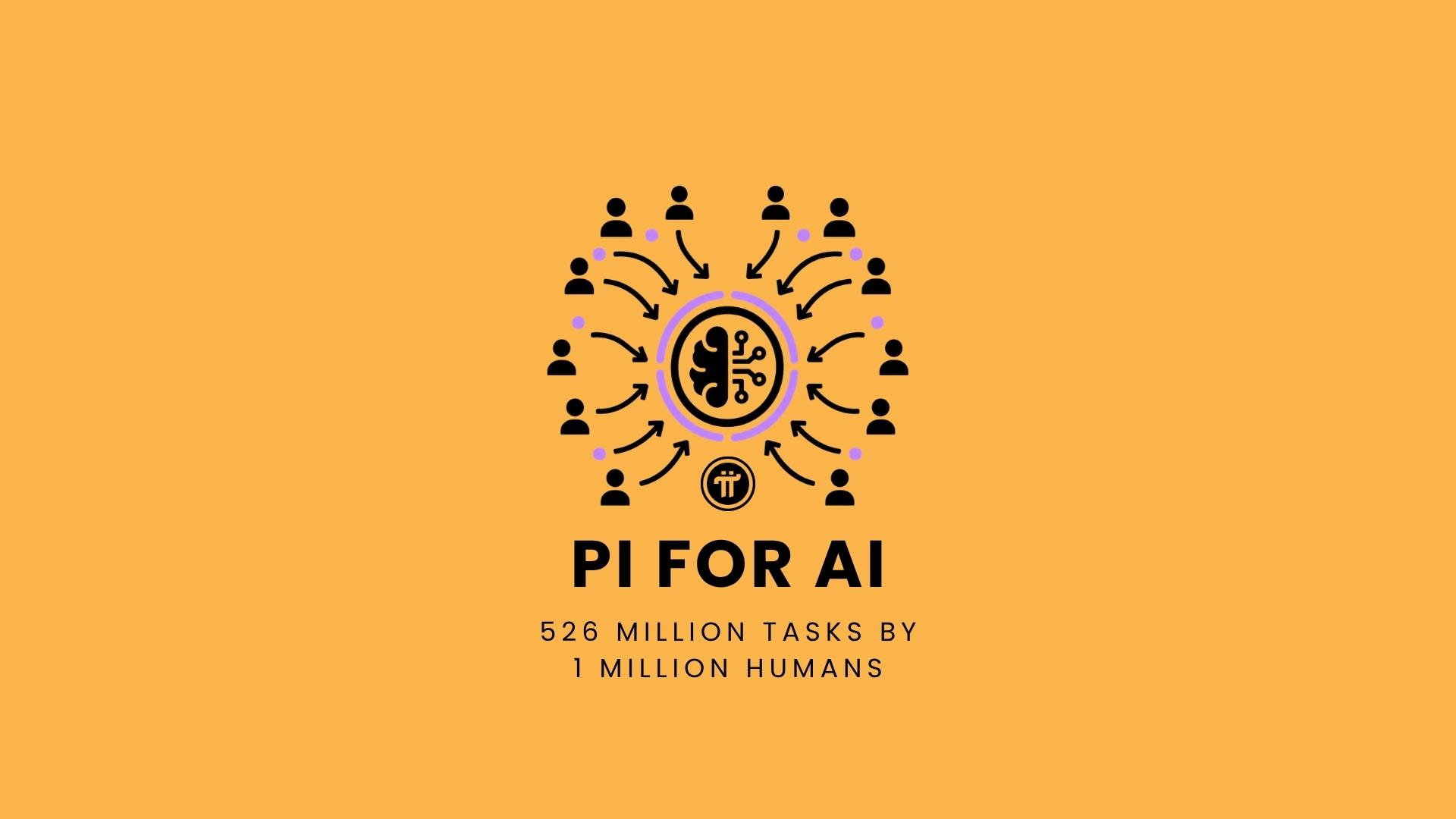
- More than 1 million verified validators have completed over 526 million KYC validation tasks.
- Pi Network participated in a major Crypto and Web3 conference, outlining a utility-driven ecosystem and verified human identity framework.
- The project completed its Protocol 22 upgrade and is preparing for smart contracts.
- Pi Network founders are scheduled to speak at Consensus 2026.
- The network's KYC system combines AI automation with a distributed human workforce.
- Pi Network pays validators in Pi tokens for their work.
A Workforce Built on Identity Verification
Pi Network, the blockchain project known for its mobile-first mining approach, is repositioning itself as a provider of human labor for artificial intelligence systems. The network now claims over 18 million identity-verified users — called Pioneers — across more than 200 countries, and says more than 1 million of those have completed over 526 million KYC validation tasks. These tasks, part of Pi's native Know Your Customer system, were paid in Pi tokens. The company argues this demonstrates a working infrastructure for AI companies that need reliable human input at scale. Unlike many platforms that struggle with bots and fraud, Pi's workforce is KYC-verified, adding a layer of trust.
The AI Industry's Human Problem
AI models improve through human feedback, data labeling, and evaluation, but sourcing authentic human input at scale remains a major operational challenge. Automated methods often optimize for proxies rather than true human preferences, can be vulnerable to reward hacking, and struggle with nuance and changing norms. Pi Network's team stated: "AI is advancing quickly. But the hardest part of building reliable systems is still deeply human." The company argues that its network solves the problems of scale, authenticity, and cost that plague human-in-the-loop systems, by providing a pre-built, distributed workforce that is already active and verified.
Utility and Identity at a Global Conference
Pi Network recently participated in one of the largest Crypto and Web3 conferences, where two key sessions highlighted its direction toward the AI era. The project outlined two complementary concepts: a utility-driven ecosystem focused on real-world usage, and a verified human identity framework to strengthen trust. from the conference, including posts by @Diazag3, emphasized that Pi Network aims to position Pi Coin not just as a digital asset for trading but as a functional tool within applications and services. The verified identity system, the project argued, is critical in an environment where fake accounts and bots are rampant.
526 Million Tasks as Proof of Concept
The number of completed tasks — over 526 million — is presented by Pi Network as evidence of real-world, repeated use. The company describes this as "real infrastructure," already tested, not just planned. its KYC system uniquely combines AI automation with its massive human workforce to accomplish accurate verification. This scale, Pi argues, is not just community growth but a working system that can support AI tasks such as data labeling, correction, and evaluation. The company stated: "Models don't improve from compute alone. They improve from judgment, correction, context, and nuance."
From Crypto to AI Utility: A Strategic Pivot
This announcement signals a broader shift for Pi Network, which is now linking its ecosystem directly to AI development. Instead of competing with AI, the project aims to support it by providing human input at scale. The network has completed its Protocol 22 upgrade and is preparing for smart contracts, which could enable more complex applications. Pi Network's founders are set to speak at major events like Consensus 2026, with the focus likely remaining on identity and AI. However, many in the community still await faster mainnet progress and wider real-world adoption.
Challenges Ahead: Execution and Adoption
Despite the ambitious vision, Pi Network faces significant hurdles. Transforming a conceptual framework into a fully functional global system requires strong infrastructure, continuous development, and widespread adoption from both users and developers. The utility-driven ecosystem concept risks remaining theoretical without practical applications. On the other hand, the verified human identity system could play a crucial role in addressing digital security challenges as AI and automation become more widespread. Pi Network's approach attempts to combine blockchain, identity, and utility into a unified ecosystem, but its long-term success will depend on how effectively it can implement real-world use cases.
Betting on Humans in the AI Era
Pi Network's presence at a major Web3 conference and its new AI-focused messaging reflect an ambition to position itself at the intersection of two major trends: AI and Web3. The project is betting that in an era of increasing automation, humans remain the most valuable layer for ensuring reliability, trust, and nuance. Whether this vision succeeds will depend on execution. But the network has already demonstrated a rare capability: a large-scale, verified, and active human workforce. For AI companies struggling with data quality and authenticity, that may be an offer worth examining.
The bottom line
- Pi Network has over 18 million KYC-verified users and 1 million validators who completed 526 million tasks.
- The project is positioning its verified human network as infrastructure for AI human-in-the-loop systems.
- Pi Network participated in a major Web3 conference, emphasizing utility and identity as core pillars.
- The network completed Protocol 22 and is preparing smart contracts; founders will speak at Consensus 2026.
- Challenges remain in mainnet progress, real-world adoption, and execution of the utility vision.
- Pi Network's approach addresses AI's need for authentic human judgment at scale, but success is unproven.




Southampton Seek Play-Off Momentum at Preston in Final Championship Clash
Magic stun Pistons 94-88, take 3-1 series lead, one win from historic upset

Nollywood Star Lateef Adedimeji and Wife Adebimpe Welcome Triplets After Five Years of Marriage
/https%3A%2F%2Fsportsmole-media-prod.s3.gra.io.cloud.ovh.net%2Fuploads%2F2026%2F02%2Ffotojet-2026-02-05t222239-781-69850a5c99d49875444752.jpg)