Utah's air quality battle: Inversion traps pollution as state blames outside sources
A new letter questions Utah's claim that it is penalized for pollution from beyond its borders, as inversion shrouds Salt Lake Valley.

NEW ZEALAND —
Key facts
- Inversion conditions trapped pollutants in Salt Lake Valley on Jan. 12, 2026.
- A letter challenges Utah's assertion of being penalized for out-of-state pollution.
- Tenaska filed an air permit for Expedition Generating Station in Fluvanna County, Virginia.
- Fluvanna County Board of Supervisors approved the plant expansion last month.
- DEQ's review process for the permit is expected to take about a year.
- Tenaska plans to submit a wastewater discharge application this summer.
- Fluvanna Horizons Alliance opposes the plant, citing road safety concerns.
- An accident involving a large generator on a rural road heightened opposition.
Inversion and accusation
On Monday, Jan. 12, 2026, inversion conditions trapped pollutants in the Salt Lake Valley, as the rising sun illuminated the Oquirrh Mountains. The event sharpens a debate over Utah's claim that it is penalized for pollution that originates beyond its state boundaries. A recent letter questions the evidence behind that assertion, challenging the state's narrative.
Virginia power plant permit triggers opposition
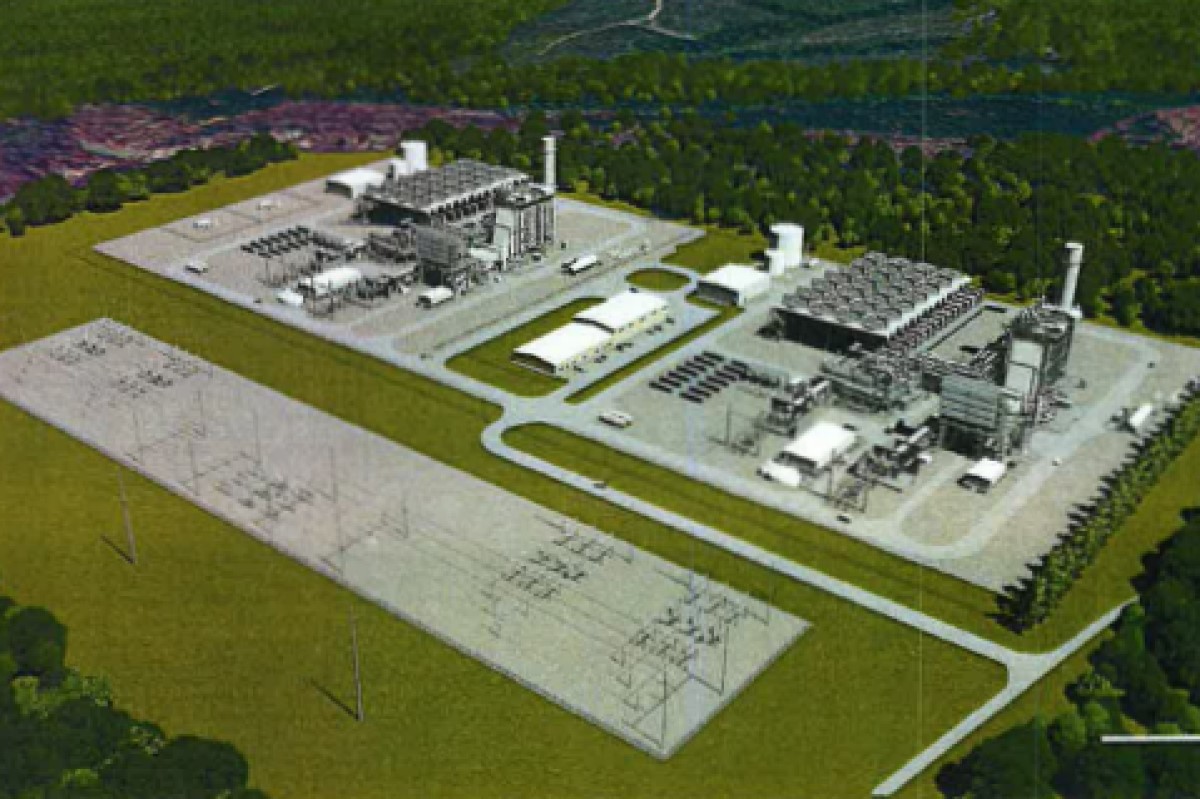
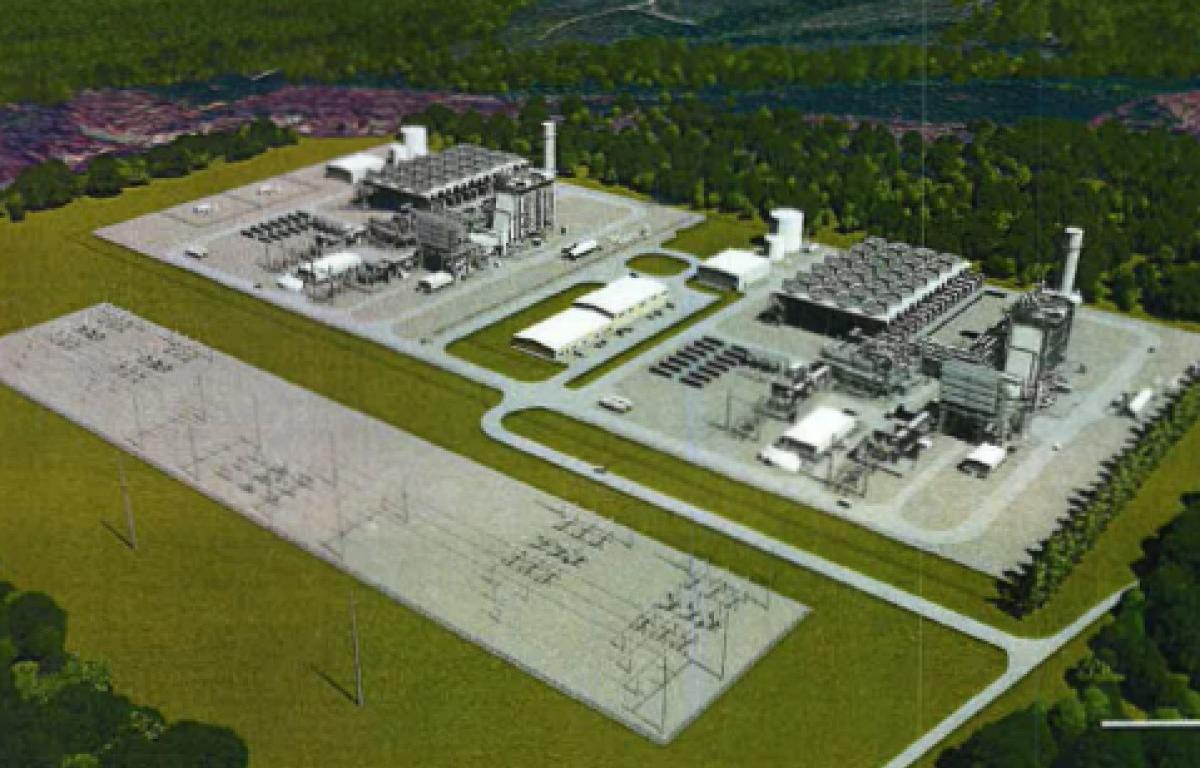
In Fluvanna County, Virginia, Tenaska has filed an air permit application for the proposed Expedition Generating Station with the Virginia Department of Environmental Quality (DEQ). The Fluvanna County Board of Supervisors approved the additional plant last month, adjacent to its existing Branch Rd. facility that has operated for 20 years. The company stated, 'As part of our commitment to transparency and open communication, we want to be the first to share this news with you.'
Regulatory timeline and public engagement
DEQ's review process for the air permit is expected to span about a year, with multiple opportunities for public engagement. a wastewater discharge application under the Virginia Pollutant Discharge Elimination System (VPDES) this summer. After submission, Tenaska intends to hold an open house on the air and water matters at a date to be determined. A Tenaska spokesperson declined further comment until closer to that open house.
Opposition mobilizes over safety and infrastructure
Opponents of the power plant, led by Fluvanna Horizons Alliance, are rallying residents to contact DEQ. In a social media post, the group declared, 'We Aren’t Finished. Take Action.' They highlighted an accident on a Fluvanna County road involving a large generator that fell off a truck or was involved in a crash. The post read, 'Talk about a sign from above! It’s almost like our rural roads aren’t equipped to handle heavy trucks delivering heavy loads!!' The group asserts that Fluvanna's rural roads are not built for heavy industry, noting that construction has not started and that the single generator incident raises concerns about the impact of 1,600+ daily vehicle movements during plant construction.
Stakes and broader context
The dispute in Utah and the controversy in Virginia both underscore the tension between economic development and environmental quality. In Utah, the inversion event provides a visceral reminder of the health impacts of air pollution, while the letter challenges the state's legal and political strategy. In Virginia, the proposed plant expansion tests the capacity of local infrastructure and the effectiveness of regulatory oversight. Both cases highlight the difficulty of managing pollution that crosses boundaries—whether state lines or the invisible lines of an inversion layer.
What comes next
For Utah, the letter may prompt a re-examination of the evidence behind its claims, potentially influencing policy and legal battles. In Fluvanna, the DEQ review will unfold over the coming year, with public hearings and the open house providing forums for opposition. The wastewater permit application, expected this summer, adds another layer of scrutiny. The accident on the rural road has become a symbol for opponents, who argue that the risks extend beyond air and water to everyday safety.
The bottom line
- Utah's inversion on Jan. 12, 2026, highlights the challenge of attributing pollution sources, as a letter questions the state's claim of being penalized for out-of-state pollution.
- Tenaska's Expedition Generating Station in Fluvanna County faces a year-long DEQ air permit review, with a wastewater permit to follow.
- Fluvanna Horizons Alliance is mobilizing residents, citing road safety concerns after an accident involving a large generator.
- The Virginia plant expansion was approved by the Board of Supervisors but now faces state-level scrutiny.
- Both stories illustrate the complex interplay between local infrastructure, regulatory processes, and cross-boundary pollution.


Police Commissioner Richard Chambers Demands 60-Day Resolution for Employment Cases Amid Senior Officer Probe

Florida and California lead US home price declines as insurance costs surge

Georgia Begins Issuing Up to $500 Tax Refunds for Fourth Time in Five Years
