Spirit Airlines Shuts Down After Trump Administration Declines $500 Million Bailout
The ultra-low-cost carrier ceases operations, stranding passengers and reigniting debate over the blocked JetBlue merger and federal intervention.

NEW ZEALAND —
Key facts
- Spirit Airlines filed for bankruptcy for the second time in August 2025.
- The Trump administration considered a $500 million bailout that would have given the government control of most shares.
- President Trump publicly supported a bailout 'if we can get it at the right price.'
- Transportation Secretary Sean Duffy and Commerce Secretary Howard Lutnick met with Trump to discuss options.
- Lutnick pushed for a deal, while Duffy, Stephen Miller, Kevin Hassett, and White House counsel opposed it.
- The Defense Department rejected invoking the Defense Production Act for the bailout.
- Sen. Elizabeth Warren faced criticism for her 2024 praise of blocking the JetBlue-Spirit merger.
- Warren blamed 'spiking fuel prices from Trump’s war' for the airline's collapse.
The Final Hours: A Bailout That Never Came
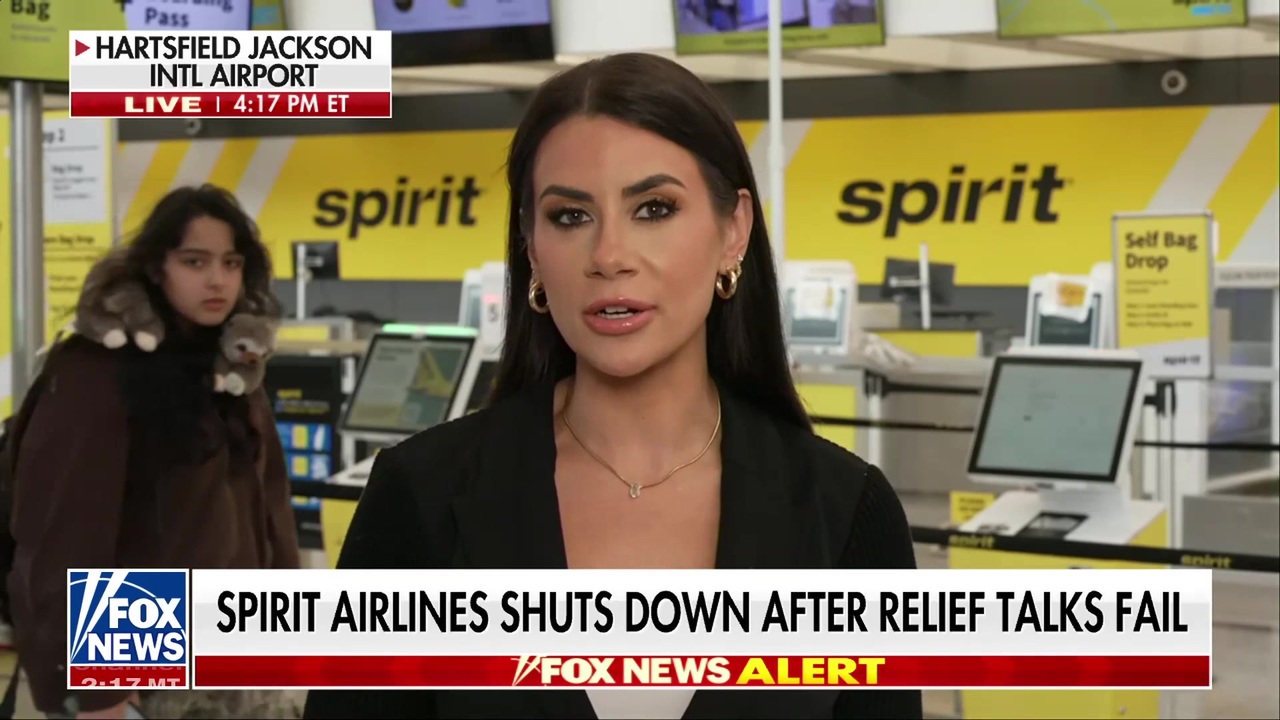
On Thursday evening, Commerce Secretary Howard Lutnick phoned Spirit Airlines CEO Dave Davis with a grim message: the White House would not provide a government bailout. The call came after weeks of deliberation, internal division, and a last-ditch search for a funding source that ultimately failed. Lutnick and Davis 'left open the possibility of a Hail Mary,' one source said, but both understood that the airline must begin winding down. By Saturday, Spirit Airlines announced it would cease operations immediately, canceling all flights and shutting down customer service. Thousands of travelers were left stranded, scrambling to rebook with other carriers. The abrupt closure marked the end of a turbulent chapter for the nation's largest ultra-low-cost carrier.
A Second Bankruptcy and Rising Fuel Costs
Spirit Airlines had been wracked by financial trouble for years. In August 2025, the carrier filed for bankruptcy for the second time, struggling under the weight of mounting debt and operational losses. The situation worsened as conflict with Iran drove up fuel prices, making its financial position even more untenable. The airline, once known for rock-bottom fares and aggressive expansion, found itself on the brink of closure. The bankruptcy filing was the latest in a series of setbacks. In March 2024, a federal judge blocked a proposed merger with JetBlue Airways, a deal that Spirit had argued was essential to its survival. The Justice Department, under then-Attorney General Merrick Garland, had successfully challenged the merger, arguing it would reduce competition and harm consumers. Spirit's CEO at the time warned that without the merger, the airline might not survive.
White House Deliberations and Internal Divisions
For weeks, Trump administration officials negotiated with Spirit over a potential $500 million bailout. The proposal would have given the government control of the overwhelming majority of Spirit's shares, effectively nationalizing the airline. President Donald Trump publicly signaled his openness to the idea, telling reporters in the Oval Office: 'They have some good aircrafts, some good assets, and when the price of oil goes down, we’d sell it for a profit.' Transportation Secretary Sean Duffy and Commerce Secretary Howard Lutnick met with Trump to lay out the options. According to sources familiar with the meeting, Lutnick 'was pushing' for a deal, arguing it would be a political win for the administration. But there were strong reservations from Duffy, Trump deputy chief of staff Stephen Miller, National Economic Council Director Kevin Hassett, and members of the White House counsel's office. They raised concerns about pumping money into a company with a poor financial track record. The idea of a bailout for a single airline also sparked backlash from the airline industry and Republicans in Congress. Previous bailouts had supported all US airlines, not a single carrier, and were in response to a paralyzed industry—such as after terrorist attacks or a pandemic—not to increased costs and losses.
The Search for an Off-Ramp: Defense Production Act and Acquisition Talks
As the bailout idea stalled, officials explored other options. The possibility of invoking the Defense Production Act—a law that gives the government control over industrial production during emergencies—was raised but quickly rejected by the Department of Defense. Without a legal mechanism to justify the intervention, the administration was left without a clear path forward. Meanwhile, Secretary Duffy actively floated the idea of another airline acquiring Spirit. He gauged interest from potential buyers, but the proposition failed to gain traction. No airline stepped forward to take over the struggling carrier, leaving the government as the only possible lifeline. But without a funding source for the $500 million, that option also evaporated.
Political Fallout: Warren Under Fire Over Blocked Merger
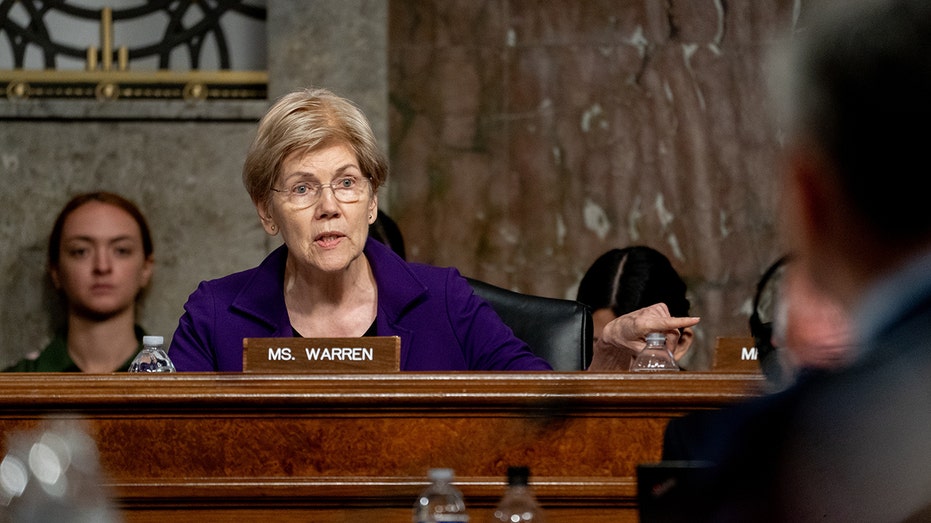
The collapse of Spirit Airlines has reignited debate over the blocked JetBlue merger, with critics targeting Senator Elizabeth Warren. In March 2024, Warren had praised the Justice Department's decision to block the merger, writing on X: 'I’ve warned for months that a @JetBlue-@SpiritAirlines merger would have led to fewer flights and higher fares. @JusticeATR and @USDOT were right to stand up for consumers and fight against runaway airline consolidation. This is a Biden win for flyers!' Following Spirit's shutdown, Warren faced renewed scrutiny. She defended her position in a new post, arguing that 'spiking fuel prices from Trump’s war was the nail in the coffin for twice-bankrupted Spirit airline.' She also noted that the merger was blocked by a judge appointed by Ronald Reagan, and accused Republicans of trying to shift blame for higher costs. The Biden administration had similarly framed the merger block as a victory for consumers, with then-Assistant Attorney General Jonathan Kanter calling it 'a victory for U.S. travelers who deserve lower prices and better choices.'
The Broader Implications for the Airline Industry
The demise of Spirit Airlines marks a significant shift in the US airline landscape. As the largest ultra-low-cost carrier, Spirit had forced competitors to lower fares on many routes. Its absence could lead to higher prices for budget-conscious travelers, particularly on leisure routes. The collapse also raises questions about the government's role in bailing out individual companies, especially when the crisis stems from market conditions rather than a systemic shock. The Trump administration's decision not to intervene, despite the president's initial interest, underscores the political and practical challenges of such a bailout. With no funding source and opposition from key officials, the White House ultimately chose to let the airline fail. For Spirit's employees and passengers, the consequences are immediate: thousands of jobs lost and travel plans upended. For the industry, the long-term effects remain uncertain.
What Comes Next: Stranded Passengers and Unanswered Questions
In the wake of Spirit's shutdown, passengers are scrambling to find alternative flights. The airline has ceased all operations, leaving travelers with little recourse. The Transportation Department has announced relief measures for affected flyers, but details remain sparse. Spirit's employees face an uncertain future, with many likely to lose their jobs. The broader question of whether the blocked JetBlue merger would have saved Spirit remains unresolved. Critics argue that the merger would have preserved the airline's network and jobs, while supporters maintain that it would have reduced competition and raised fares. With Spirit now defunct, the debate is likely to continue. For now, the airline's collapse serves as a cautionary tale about the fragility of low-cost carriers in a volatile economic environment.
The bottom line
- Spirit Airlines ceased operations on Saturday after a $500 million government bailout failed to materialize.
- The Trump administration was divided over the bailout, with Commerce Secretary Lutnick in favor and key aides opposed.
- The Defense Department rejected invoking the Defense Production Act, and no other airline stepped in to acquire Spirit.
- Sen. Elizabeth Warren faced criticism for her past support of blocking the JetBlue merger, which she defended by blaming fuel price spikes.
- Spirit's collapse leaves thousands of passengers stranded and raises concerns about reduced competition in the airline industry.
- The airline had filed for bankruptcy twice, with rising fuel costs from geopolitical tensions exacerbating its financial woes.



Frosty Blast and Heavy Rain: South Island Braces for Twin Weather Threats

Spirit Airlines ceases operations after $500m bailout talks collapse
Occidental Petroleum Stock Drops 8% as Geopolitical Calm Erases Crude Premium, but Fundamentals Remain Strong