KiwiRail fined $375,000 after Aratere grounding reveals critical training failures
Maritime NZ investigation finds crew lacked knowledge of newly installed steering console, leading to the ferry running aground with 47 people aboard.

NEW ZEALAND —
Key facts
- KiwiRail pleaded guilty to charges under the Health and Safety at Work Act 2015.
- The company was fined $375,000 and ordered to pay $25,000 in costs.
- The Aratere ran aground on June 21, 2024, during a freight sailing from Picton to Wellington.
- There were 39 crew and eight passengers aboard; no injuries were reported.
- Maritime NZ found failures in KiwiRail's change management processes for training on the steering console.
- KiwiRail chief operations officer Duncan Roy said the company 'fell short of the high standards we expect to maintain.'
A preventable grounding
On June 21, 2024, the Interislander ferry Aratere ran aground while sailing from Picton to Wellington with 47 people on board. No one was injured, but the incident exposed a dangerous gap in the crew's understanding of the vessel's steering system. Maritime NZ's investigation concluded that KiwiRail had failed to properly train its crew on a newly installed steering console. The regulator said there was a 'clear knowledge gap' about how the system worked, including how to override automatic commands in an emergency. KiwiRail pleaded guilty to charges under the Health and Safety at Work Act 2015 and was fined $375,000 plus $25,000 in costs.
Change management failures
The investigation found that KiwiRail's change management processes were inadequate when upgrades to the steering functions were introduced. Documentation of the changes and training on the new equipment were both insufficient. Maritime NZ Director Kirstie Hewlett emphasized that crews must have a thorough understanding of steering critical controls. 'In this case, there was a clear knowledge gap about how the newly installed steering console worked, including in an emergency,' she said. Hewlett warned that operators must ensure masters and crews are properly trained and given sufficient time to familiarize themselves with safety-critical equipment before it is put into service.
KiwiRail's response and remedial actions
KiwiRail chief operations officer Duncan Roy acknowledged the company's shortcomings in a statement. 'We sincerely regret this incident. It should not have happened,' he said. Roy noted that KiwiRail commissioned independent reviews immediately after the grounding and has since implemented a substantial remedial programme across its fleet. The programme includes strengthened management of change processes, formalized documentation, and consultation requirements. KiwiRail also conducted its own investigation and has provided regular public updates on the actions taken in response to the incident.
Legal and regulatory implications
The fine and guilty plea mark a significant enforcement action under New Zealand's Health and Safety at Work Act 2015. Maritime NZ's investigation highlighted systemic failures in how KiwiRail managed the introduction of new equipment. The case sends a clear message to all vessel operators about the importance of training and change management. Hewlett stated that operators must ensure that all safety-critical actions can be correctly undertaken by crews. KiwiRail's guilty plea reflects its acceptance of responsibility, but questions remain about whether the remedial measures will be sufficient to prevent future incidents.
Broader context and lessons for the industry
The Aratere grounding is not an isolated event. It underscores the risks inherent in ferry operations, where complex equipment and changing conditions demand rigorous training and oversight. Maritime NZ's findings point to a need for industry-wide improvements in how changes to vessel systems are managed and communicated to crews. The regulator's emphasis on familiarization time and clear documentation sets a benchmark for other operators. As KiwiRail works to rebuild trust, the incident serves as a cautionary tale about the consequences of cutting corners on safety training.
The bottom line
- KiwiRail was fined $375,000 for safety failures that led to the Aratere grounding.
- The crew lacked proper training on a newly installed steering console, creating a knowledge gap.
- Maritime NZ found deficiencies in KiwiRail's change management processes for equipment upgrades.
- KiwiRail has implemented a remedial programme including strengthened management of change and formalized documentation.
- The case highlights the critical importance of crew training and familiarization with safety-critical equipment.


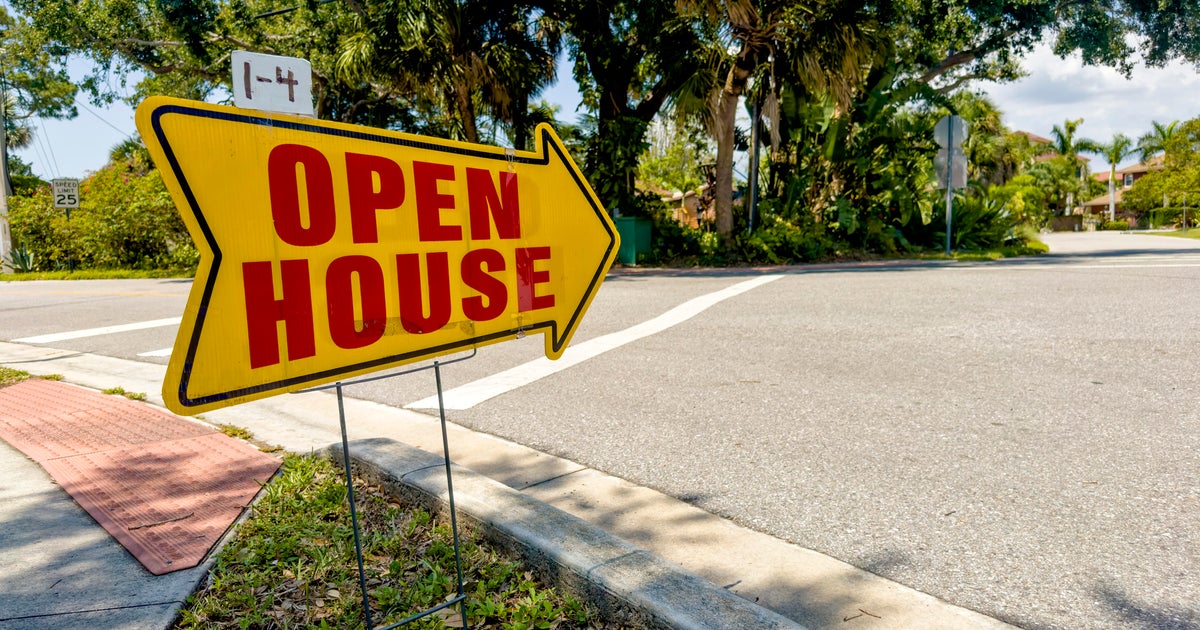
Florida and California lead US home price declines as insurance costs surge

Knights outlast Rabbitohs 42-38 in NRL thriller after Latrell Mitchell’s late heroics and Cody Walker’s shove

Phoenix Women Face One-Goal Deficit After First-Leg Loss to Brisbane Roar