Australia Records Zero Cervical Cancer Cases in Women Under 25 for First Time
The milestone, achieved through a decade-long vaccination program, puts the country on track to become the first to eliminate a form of cancer.
NEW ZEALAND —
Key facts
- Australia recorded no new cervical cancer diagnoses in women under 25 in 2026.
- The country aims to eliminate cervical cancer within a decade.
- HPV vaccination is offered to 12- and 13-year-olds as part of the National Immunisation Programme.
- HPV can cause cervical cancer, the fourth most common cancer in women worldwide.
- Chrissy Walters, diagnosed with advanced cervical cancer at 39, has a terminal prognosis.
- Walters' daughter, now 12, is eligible for the HPV vaccine.
A Historic Zero
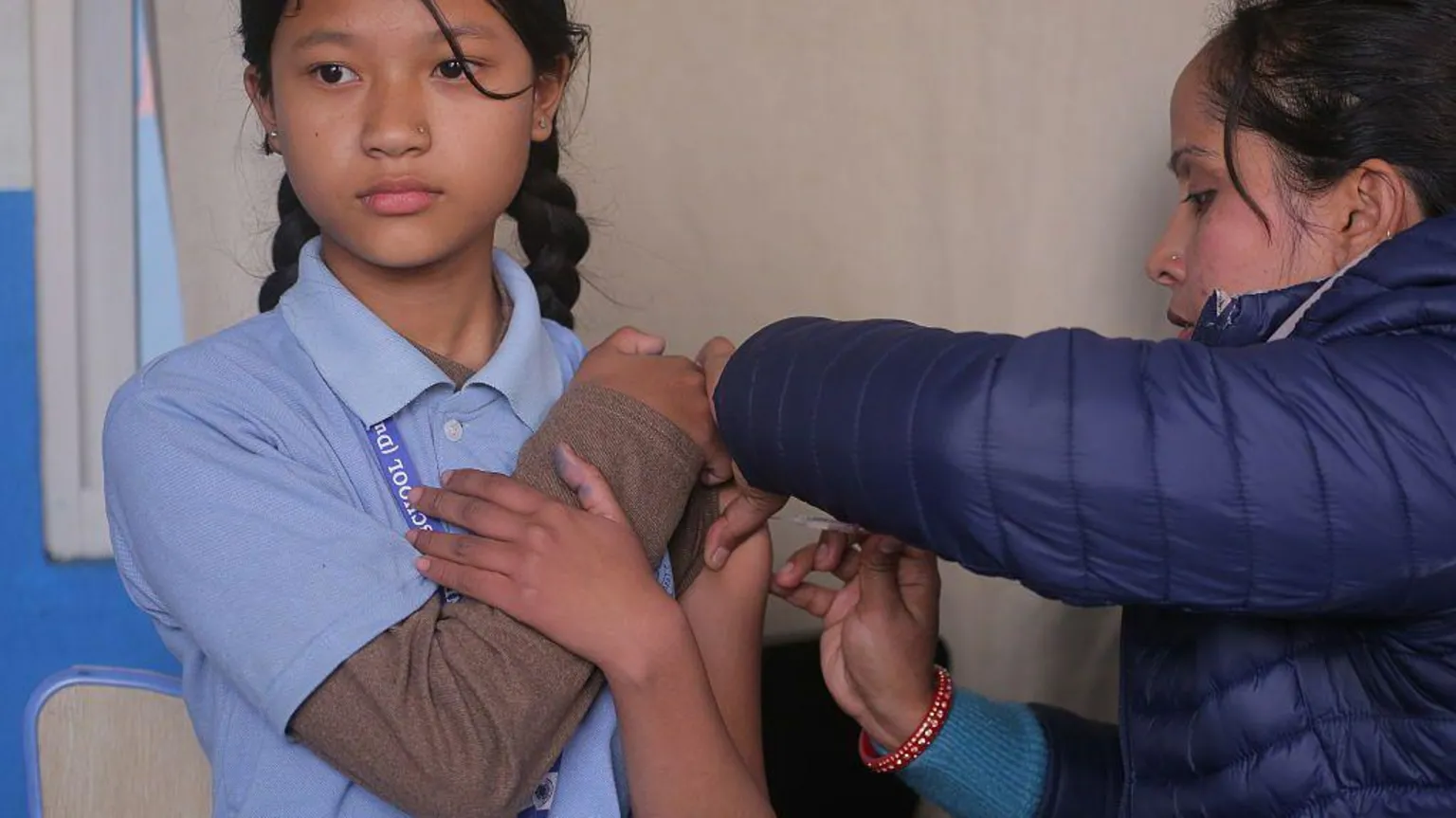
For the first time, Australia has recorded no new cervical cancer diagnoses in women under 25. The milestone marks a turning point in the country's decades-long campaign to eliminate the disease. The achievement stems from a two-pronged strategy: widespread HPV vaccination and regular screening. Since 2007, Australia has offered the HPV vaccine free to adolescents aged 12 to 13 through school-based programs.
A Personal Toll
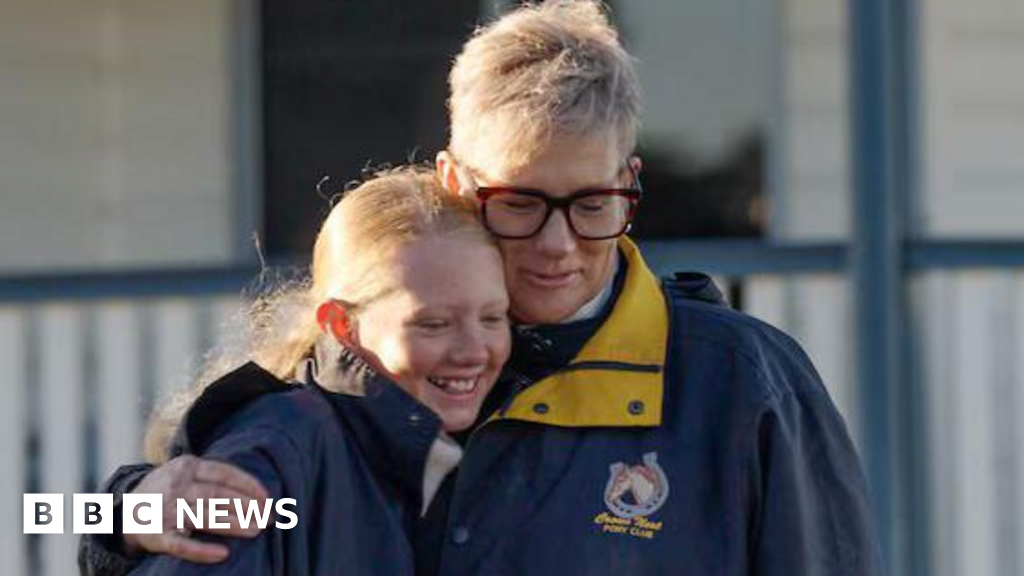
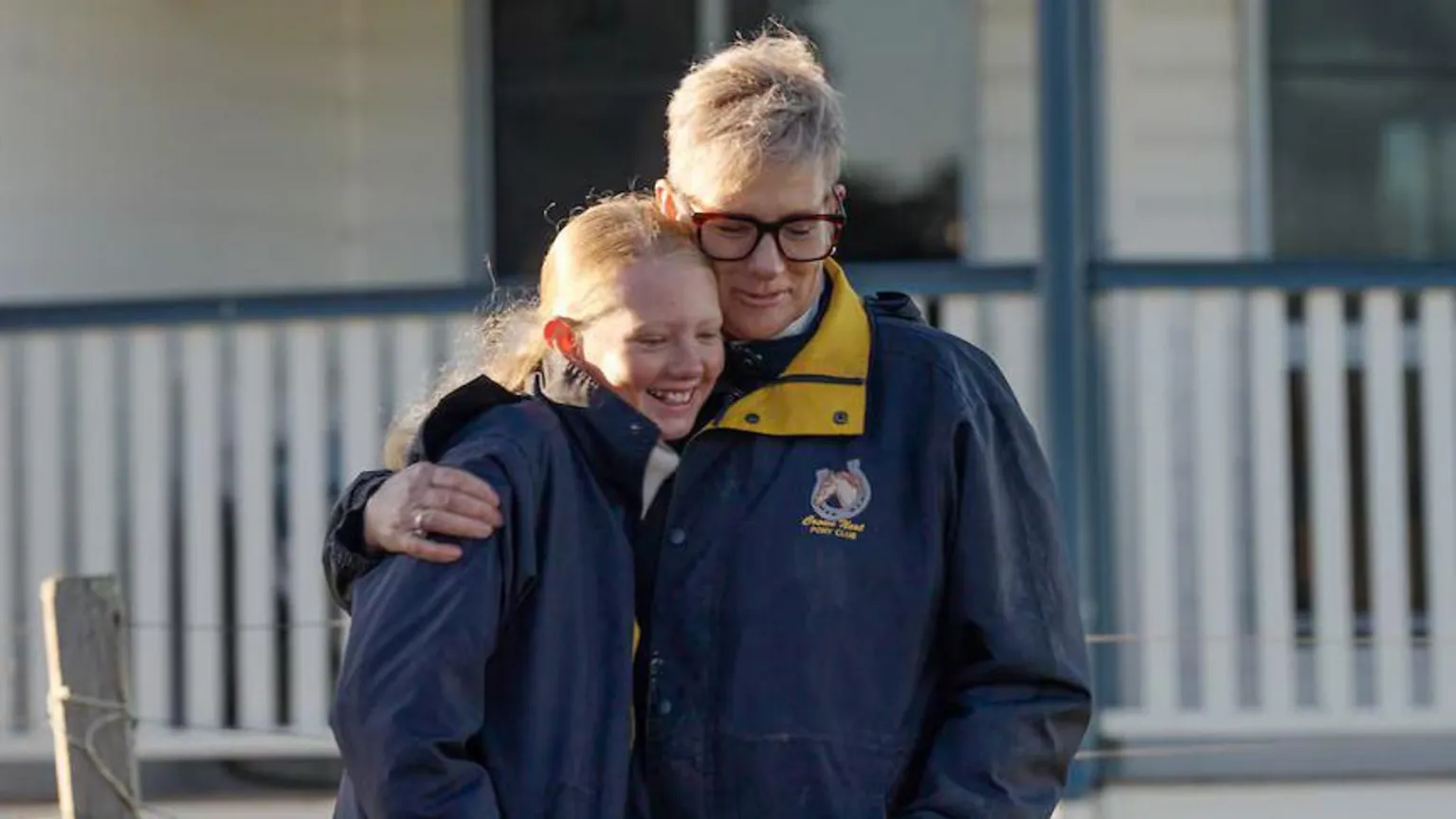
Chrissy Walters, a 39-year-old mother from Toowoomba, was diagnosed with advanced cervical cancer after a major bleed at home. Despite years of invasive treatments, the cancer has spread, and her doctors now consider her case terminal. Her daughter, now 12, has grown up with the disease. Walters recalls having frank conversations about dying when her daughter was as young as three. 'I would never wish this on my worst enemy,' she says.
Vaccination as Prevention
The HPV vaccine, administered to students in high school, protects against high-risk strains of the virus that can cause cervical cancer. Though HPV often shows no symptoms and can clear on its own, persistent infection with certain strains leads to cancer. Australia's vaccination program has achieved high coverage rates, driving down HPV prevalence and, now, cervical cancer incidence among young women.
Racing to Eliminate a Cancer
Australia is on track to eliminate cervical cancer within a decade, vying with other nations to become the first in the world to eradicate a form of cancer. Elimination is defined as reducing incidence to fewer than four cases per 100,000 women per year. The country's success offers a blueprint for global efforts. The World Health Organization has called for coordinated action to eliminate cervical cancer worldwide.
The Road Ahead
For Walters, the milestone brings bittersweet relief. Her daughter, now reaching vaccination age, may be spared the fate that awaits her mother. 'I just said to my husband Neil… there has been a huge mistake,' Walters recalls of her diagnosis. As Australia pushes toward elimination, the story of women like Walters underscores the stakes. The vaccine that could have saved her is now protecting the next generation.
The bottom line
- Australia recorded zero cervical cancer cases in women under 25 for the first time in 2026.
- The milestone is attributed to high HPV vaccination coverage among adolescents.
- Australia aims to eliminate cervical cancer within a decade, potentially becoming the first country to do so.
- HPV vaccination is offered free to 12- and 13-year-olds through school programs.
- Cervical cancer is the fourth most common cancer in women globally but is preventable through vaccination.
- Personal stories, like that of Chrissy Walters, highlight the human impact of the disease and the promise of prevention.


One NZ and 2degrees Restore Services After Bug Knocks Out 90 Cell Towers Across South Island

The Devil Wears Prada 2: A Light Comedy Struggles to Escape Its Own Fan Service

Devil Wears Prada 2 Opens to Mixed Reviews, $70M+ Box Office Projection
