Comet C/2025 R3 PANSTARRS Offers Two-Week Window for New Zealand Skywatchers
The long-period comet, which last visited Earth 170,000 years ago, is now visible in the western sky shortly after sunset, best seen with binoculars or a telescope.

NEW ZEALAND —
Key facts
- Comet C/2025 R3 (PANSTARRS) has an orbital period of approximately 170,000 years.
- It is visible from New Zealand for about two weeks before fading.
- Te Whatu Stardome astronomer Josh Aoraki said the comet may become visible to the naked eye by Saturday.
- The comet originates from the Oort Cloud, a ring of planetesimals 0.3 to 3.2 light years away.
- It was likely formed near Saturn or Uranus and tossed into the Oort Cloud billions of years ago.
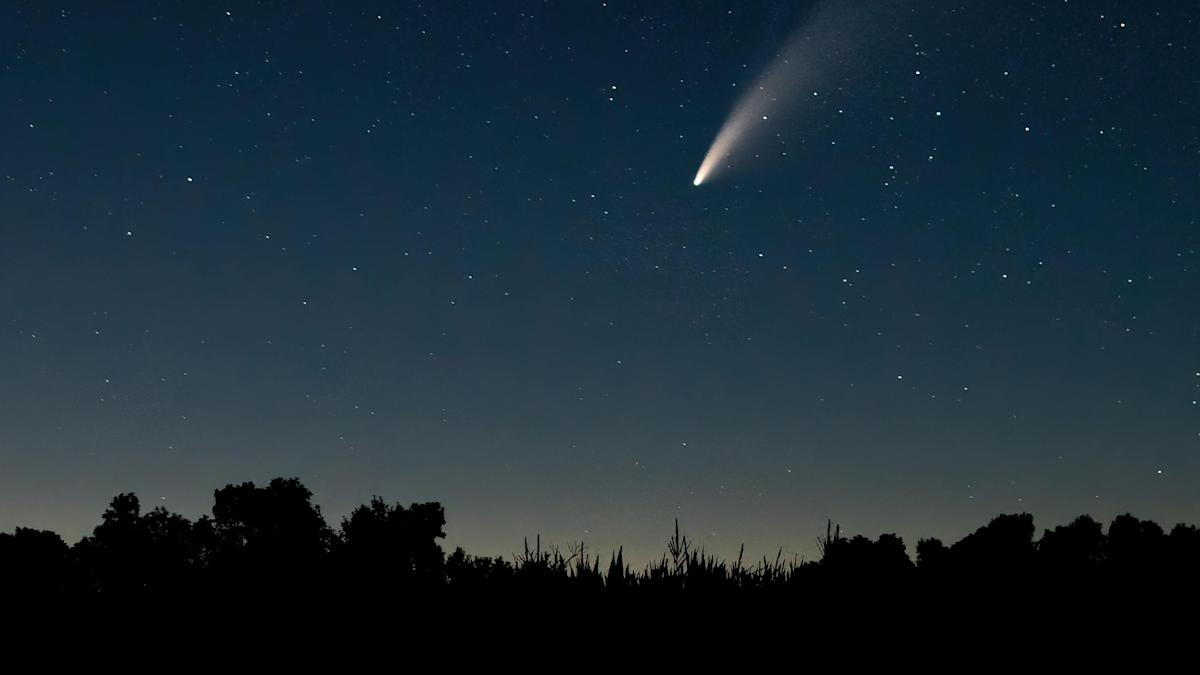
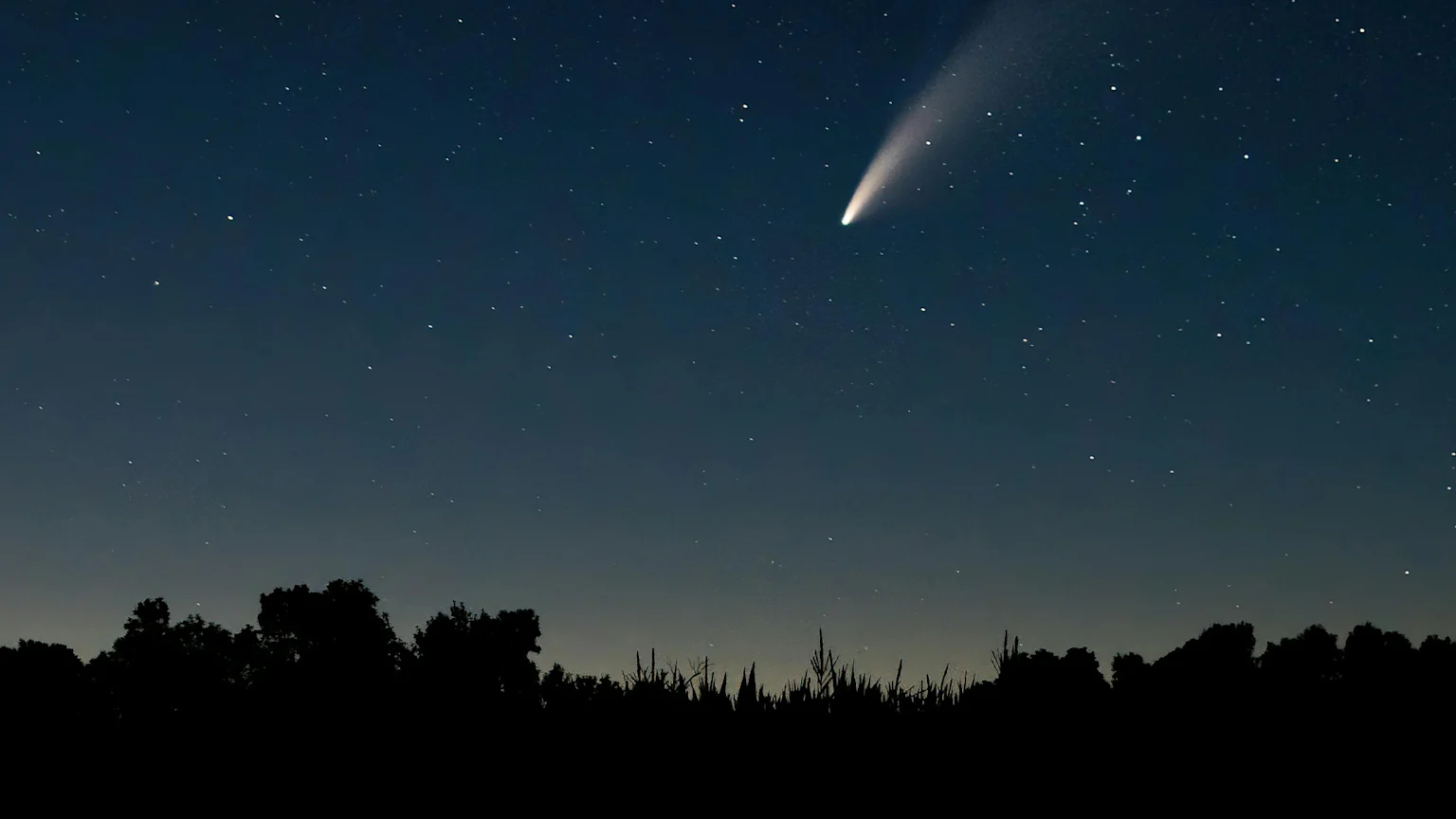
- Amateur photographer Brian Diettrich captured the comet over Wellington on Friday evening.
- The comet's tail is formed by ice vaporized by the sun and pushed by solar wind.
A Rare Visitor from the Oort Cloud
A rare comet is crossing New Zealand skies, offering a fleeting glimpse of a celestial body that will not return for another 170,000 years. Officially designated C/2025 R3 (PANSTARRS), the comet is currently visible in the western sky shortly after sunset. He noted that it may become visible to the naked eye by Saturday, though binoculars or a telescope are recommended for optimal viewing. The comet, a long-period visitor from the distant Oort Cloud, has already made headlines internationally for its visibility. Aoraki explained that similar comets pass by Earth every month but cannot be seen, making this event particularly special. “We basically haven't seen anything like it before,” he said.
How and When to Spot the Comet
The comet appears in the western sky about an hour after sunset and is getting a little higher each night, providing longer viewing opportunities. Aoraki advised stargazers to find an elevated, unobstructed spot for the best view. “While it’s not visible to the naked eye, this faint visitor has already been captured by astrophotographers across Aotearoa over the past few days,” the team at Te Whatu Stardome said. Photographers have been particularly active, using cameras, telescopes, and binoculars to capture the comet. Amateur photographer Brian Diettrich, who captured the comet over Wellington skies on Friday evening, described the experience as “pretty exciting.” He noted the challenge of a short window each evening before the comet drops below the horizon.
The Science Behind the Comet's Brilliance
Comet R3 is composed mostly of ice, rock, and dust. As it approaches the sun, the sun's heat vaporizes the ice, creating a glowing coma and a tail that streams away from the center. “It’s quite cool to kind of see that interaction between an icy body and the Sun,” Aoraki said. He added that the sun is essentially ripping material off the comet, making it difficult to predict how bright it will become or whether it will survive its encounter with the sun. The comet's tail, formed by ice vaporized by the sun and pushed away by solar wind, is a key reason it is visible from Earth. Aoraki emphasized that comets are notoriously hard to predict because they deteriorate as they get closer to the sun.
A Journey of 160,000 Years
Astronomers have traced the comet's history since its discovery in September 2025. According to astronomer David Schleicher, the comet was likely formed near Saturn or Uranus in the early solar system and was later tossed into the Oort Cloud, where it remained in a deep freeze for billions of years. “It has been travelling inward toward the sun for about 160,000 years,” Schleicher said. The Oort Cloud is a ring of small, orbiting objects known as planetesimals, located between 0.3 and 3.2 light years (or 3 trillion to 30 trillion kilometers) from the sun. Long-period comets like R3 originate from this distant region, unlike short-period comets that orbit in under 200 years.
Capturing the Comet: A Race Against Time
For photographers, capturing the comet is a race against time. Diettrich described the process: “You take a series of exposures, maybe 30 seconds or one minute, and stack them together… that brings out the comet. It is a little bit stressful.” He noted that everyone has been out trying to grab the phenomenon, reflecting the excitement among stargazers. The Sky Live provides clearer timing based on location, helping enthusiasts plan their viewing. Aoraki recommended a clear, unobstructed view of the western horizon for the best chance of spotting the comet.
What Comes Next for R3
The comet is expected to remain visible for about another week before fading. After that, it will not return for 170,000 years, making this a once-in-a-lifetime event for current observers. Aoraki noted that the comet is getting a little higher each night, which gives viewers more opportunity to see it. While the comet's brightness is uncertain, its current visibility has already made it a major story in New Zealand. As Aoraki said, “It’s hard for us to calculate how bright it’s going to get, or even if it’s going to survive its encounter with the sun.” For now, skywatchers are urged to take advantage of the brief window.
The bottom line
- Comet C/2025 R3 (PANSTARRS) is a long-period comet from the Oort Cloud with a 170,000-year orbit.
- It is visible from New Zealand in the western sky shortly after sunset for about two weeks.
- Best viewed with binoculars or a telescope; may become visible to the naked eye by Saturday.
- The comet's tail and coma are produced by solar heating and wind.
- Amateur photographers have been actively capturing the comet, with a short evening window.
- The comet will not return for 170,000 years, making this a rare event.





Mother’s Day Costs Surge 6% as Inflation Drives Up Flowers, Jewelry and Dining
Bulldogs v Cowboys: Nanai injured again, Mann concussed in North Queensland's 28-12 win

Prince William Marks 15th Wedding Anniversary with Intimate Family Photo as Royal Duties Continue