China orders companies to ignore US sanctions on Iranian oil refiners, defying Washington
Beijing invokes a 2021 law to block American penalties against five Chinese firms, escalating a legal and diplomatic confrontation over extraterritorial sanctions.

NEW ZEALAND —
Key facts
- China's Ministry of Commerce issued a prohibition order on Saturday barring recognition, enforcement, or compliance with US sanctions on five Chinese refiners.
- The order targets US sanctions imposed under executive orders 13902 and 13846, and applies to companies including Hengli Petrochemical (Dalian) Refinery and four 'teapot' refineries.
- The US Treasury on April 24 sanctioned Hengli, calling it 'one of Tehran’s most valued customers', accusing it of generating hundreds of millions of dollars for the Iranian military.
- China buys more than 80% of Iran's oil shipments in 2025, according to commodities data firm Kpler.
- The prohibition order is based on China's Rules on Counteracting Unjustified Extra-territorial Application of Foreign Legislation, approved by the State Council in 2021.
- The US sanctions freeze assets and ban transactions for the five firms, which are on the Specially Designated Nationals List.
- China's Ministry of Commerce stated the sanctions violate international law and basic norms of international relations.
Beijing strikes back at US sanctions on Iranian oil buyers
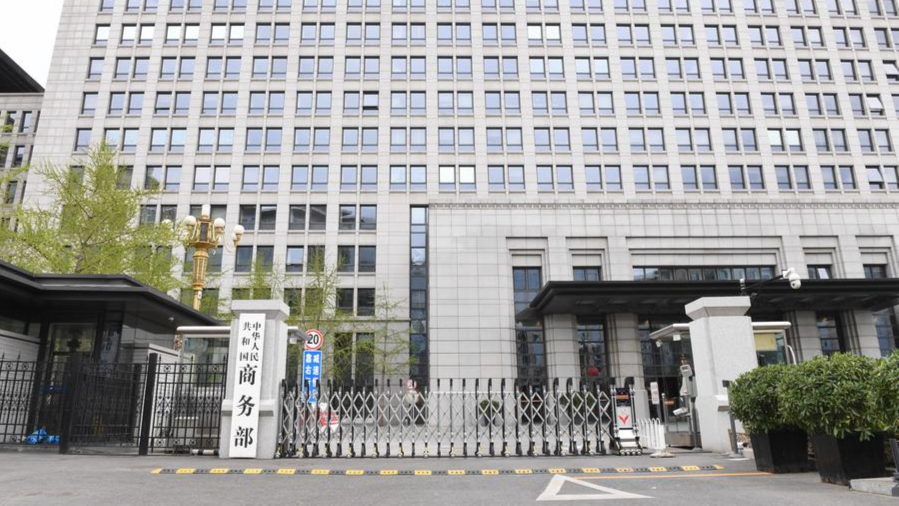
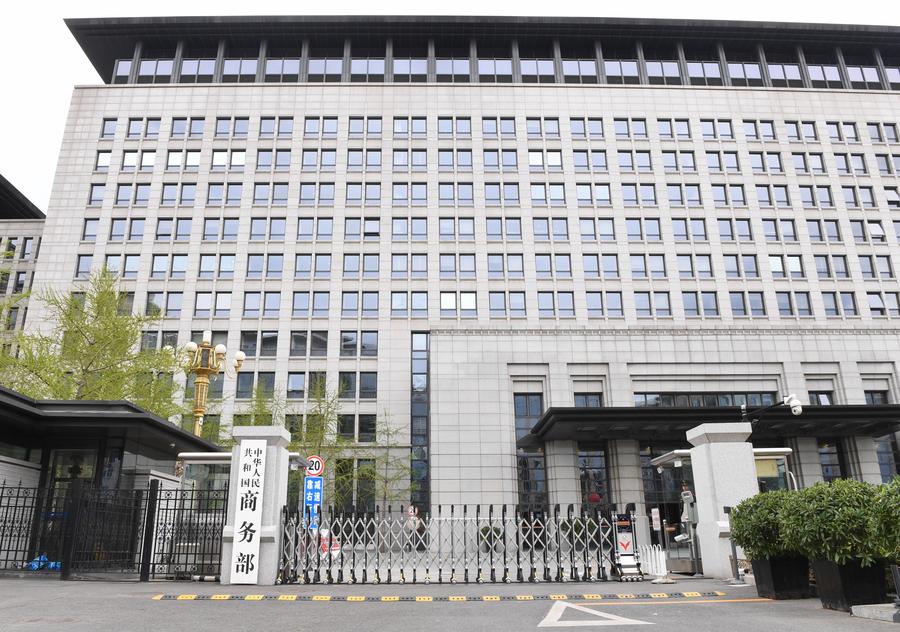
China has ordered its companies to disregard United States sanctions against five Chinese refiners accused of purchasing Iranian oil, escalating a legal and diplomatic battle over Washington’s use of extraterritorial measures. The prohibition order, issued Saturday by the Ministry of Commerce, bars any recognition, enforcement, or compliance with the US penalties, which were announced by the Treasury Department late last month. The order took effect immediately and applies to sanctions imposed under US executive orders 13902 and 13846, as well as related measures. A ministry spokesperson said the move aims to 'safeguard national sovereignty, security, and development interests' while protecting the legitimate rights of Chinese entities. The statement marked the first time China has publicly invoked its 2021 Rules on Counteracting Unjustified Extra-territorial Application of Foreign Legislation to block foreign sanctions.
The targeted refiners and the US allegations
The US sanctions target five Chinese companies: Hengli Petrochemical (Dalian) Refinery, Shandong Jincheng Petrochemical Group, Hebei Xinhai Chemical Group, Shouguang Luqing Petrochemical, and Shandong Shengxing Chemical. The Treasury Department placed them on the Specially Designated Nationals List, subjecting them to asset freezes and transaction bans. Announcing the sanctions on April 24, the US Treasury called Hengli 'one of Tehran’s most valued customers', alleging it generated hundreds of millions of dollars in revenue for the Iranian military through crude oil purchases. The Trump administration had previously imposed sanctions on the other four refineries last year. China’s Ministry of Commerce said the US measures 'improperly' restrict business between Chinese enterprises and third countries, violating international law.
China’s legal countermeasure and its foundation
The prohibition order is grounded in China’s Rules on Counteracting Unjustified Extra-territorial Application of Foreign Legislation and Other Measures, approved by the State Council in 2021. The rules empower Chinese authorities to block foreign laws or measures that are deemed to infringe on China’s sovereignty or harm its interests. A ministry spokesperson said the order represents a concrete step under these rules, which allow for follow-up action when conditions are met. The Commerce Ministry stressed that the issuance of the ban does not affect China’s fulfillment of its international obligations or the protection of foreign-invested enterprises under Chinese law. The spokesperson added that the ministry will continue to monitor cases involving improper extraterritorial application of foreign laws and take further action as warranted.
The scale of China-Iran oil trade
China is the largest buyer of Iranian oil, purchasing more than 80 percent of Iran’s crude shipments in 2025, according to commodities data firm Kpler. The country relies on the Middle East for over half of its oil imports, with Iran a key supplier despite US sanctions. The five targeted refineries include so-called 'teapot' refineries—independent, smaller facilities that operate outside the state-owned giants like Sinopec. These refineries have become crucial conduits for Iranian oil, often using intermediaries and ship-to-ship transfers to evade US restrictions. The US Treasury has intensified efforts to cut off revenue streams to Iran, targeting both state-owned and private entities. The April 24 sanctions were the latest in a series of measures aimed at Tehran’s energy sector, which Washington says funds destabilizing activities in the Middle East.
Broader implications for international sanctions regime
China’s move challenges the foundation of US extraterritorial sanctions, which have long been a tool of American foreign policy. By ordering its companies to ignore the penalties, Beijing is testing the limits of Washington’s ability to enforce its measures abroad. The Ministry of Commerce stated that China 'has consistently opposed unilateral sanctions that lack UN authorisation and basis in international law,' a position that aligns with Russia and other nations that have faced similar US penalties. The confrontation could escalate into a wider dispute over the legitimacy of secondary sanctions, which target third-country entities doing business with sanctioned nations. China’s legal framework for counteracting foreign measures provides a template for other countries seeking to push back against US economic pressure. The outcome of this standoff may influence how other nations respond to US sanctions on Iran, Russia, and other targets.
What comes next: monitoring and potential escalation
The Ministry of Commerce said it will closely monitor cases involving the improper extraterritorial application of foreign laws and take follow-up action where conditions set out in the 2021 rules are met. This suggests China may impose further measures if the US sanctions persist or expand. The prohibition order does not affect China’s international obligations, but it creates a direct conflict between Chinese and US law for companies operating in both jurisdictions. For the five refiners, the immediate effect is a legal shield in China, but they remain exposed to US penalties, including asset freezes and transaction bans. The standoff could lead to retaliatory actions from Washington, such as additional sanctions on Chinese entities or restrictions on Chinese access to US financial markets. The broader trajectory depends on diplomatic negotiations, which have shown little progress as both sides harden their positions.
The bottom line
- China’s prohibition order is the first public use of its 2021 law to block US extraterritorial sanctions, setting a precedent for future disputes.
- The five targeted refiners include Hengli Petrochemical, a major Iranian oil buyer, and four independent 'teapot' refineries that are key to China-Iran oil trade.
- China buys over 80% of Iran’s oil exports, making it the dominant customer and a critical link in Tehran’s revenue stream.
- The US sanctions aim to cut Iranian oil revenue, but China’s countermeasure undermines their effectiveness and challenges the legality of secondary sanctions.
- The standoff could escalate into a broader trade and legal conflict, with potential repercussions for global oil markets and the international sanctions regime.



Warriors Overpower Eels 36-14 in Commanding Display of Depth and Resilience

New South Wales Police Grapple with Surge in Violent Crime: Triple Murder, Kidnappings, and Shootings

United Airlines Boeing 767 Strikes Light Pole and Truck on New Jersey Turnpike During Landing, Injuring Driver
