Eta Aquarid Meteor Shower Peaks This Week, but Moon Threatens to Wash Out Show
The annual display, born from Halley's Comet debris, faces competition from a bright waning gibbous moon, dimming prospects for northern observers.
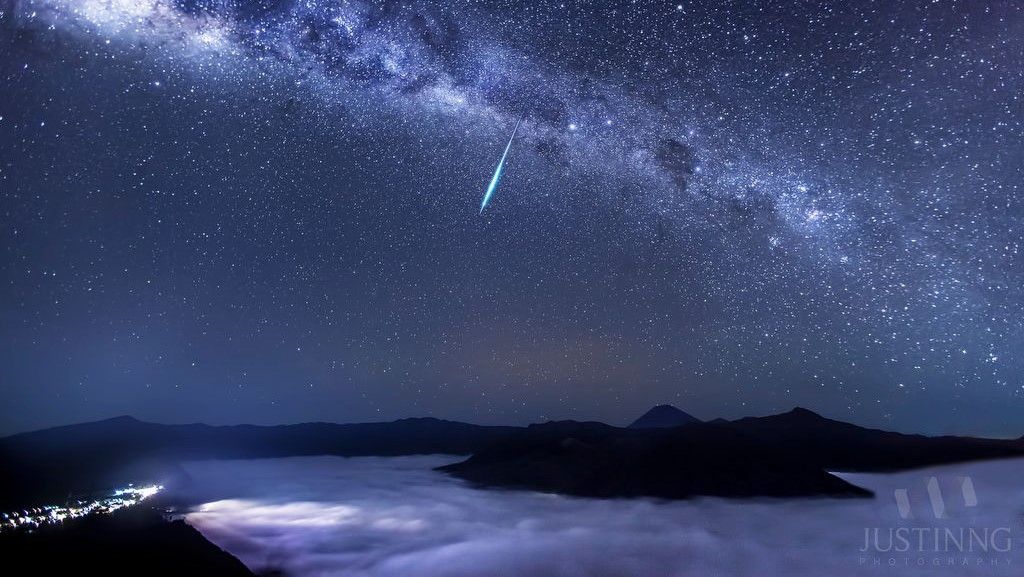
NEW ZEALAND —
Key facts
- Eta Aquarid meteor shower active from April 19 to May 28, peaking overnight May 5-6.
- Meteors travel at 41 miles (66 km) per second, leaving glowing trains lasting seconds to minutes.
- Maximum rate about 50 meteors per hour under clear, dark skies, per American Meteor Society.
- Shower originates from debris of Halley's Comet (1P/Halley), which last visited inner solar system in 1986 and returns in 2061.
- Best viewed from Southern Hemisphere or near equator; northern observers may see 10-30 per hour.
- Waning gibbous moon 84% illuminated on peak night will wash out fainter meteors.
- Radiant in constellation Aquarius rises around 2 AM local time, highest post-sunrise.
A Cosmic Light Show With Ancient Origins
Each year in early May, Earth plows through a stream of debris left behind by Halley's Comet, sparking the Eta Aquarid meteor shower. This year, the display peaks on the night of May 5 into the morning of May 6, offering skywatchers a chance to catch fast-moving shooting stars streaking across the sky. The meteors are fragments of comet 1P/Halley, which orbits the sun every 74.7 years and last passed through the inner solar system in 1986. The particles that create the Eta Aquarids were shed centuries ago, and Earth now intersects their path twice annually, also producing the October Orionids.
Swift Meteors With Persistent Trains
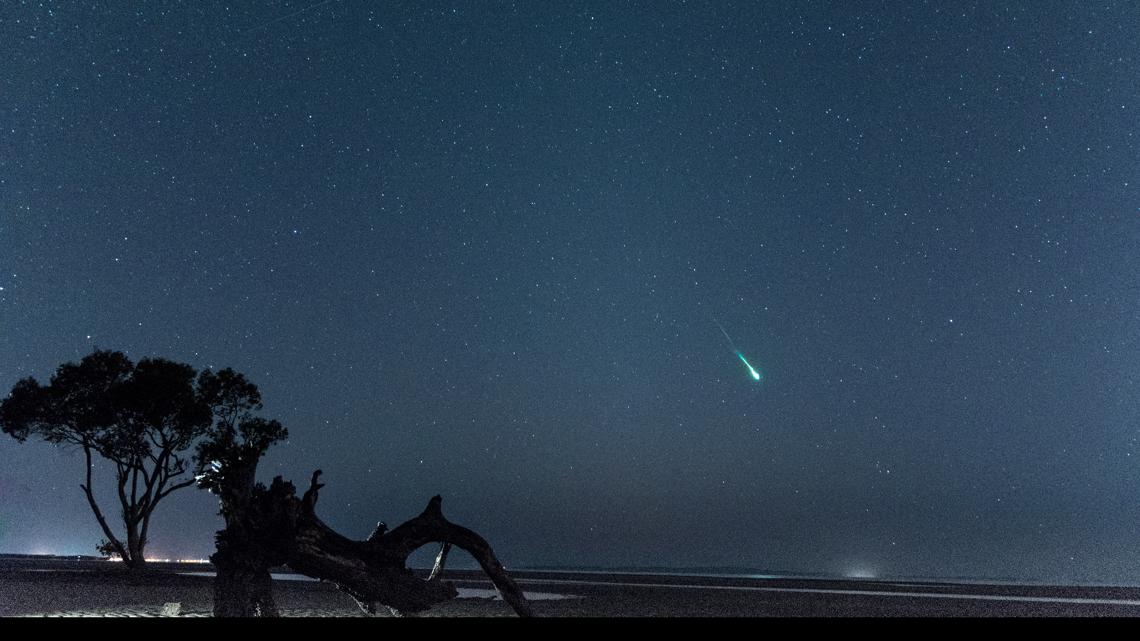
Eta Aquarid meteors are known for their speed, entering Earth's atmosphere at about 41 miles (66 kilometers) per second. They often leave behind glowing 'trains' — incandescent debris trails that can last from several seconds to minutes. The shower is considered strong, with a Zenithal Hourly Rate (ZHR) that can reach 60 to 100 meteors per hour in exceptional years, such as 2013 when rates topped 140. However, typical peak rates hover around 50 per hour under ideal conditions.
Southern Hemisphere's Advantage, Northern Hemisphere's Challenge
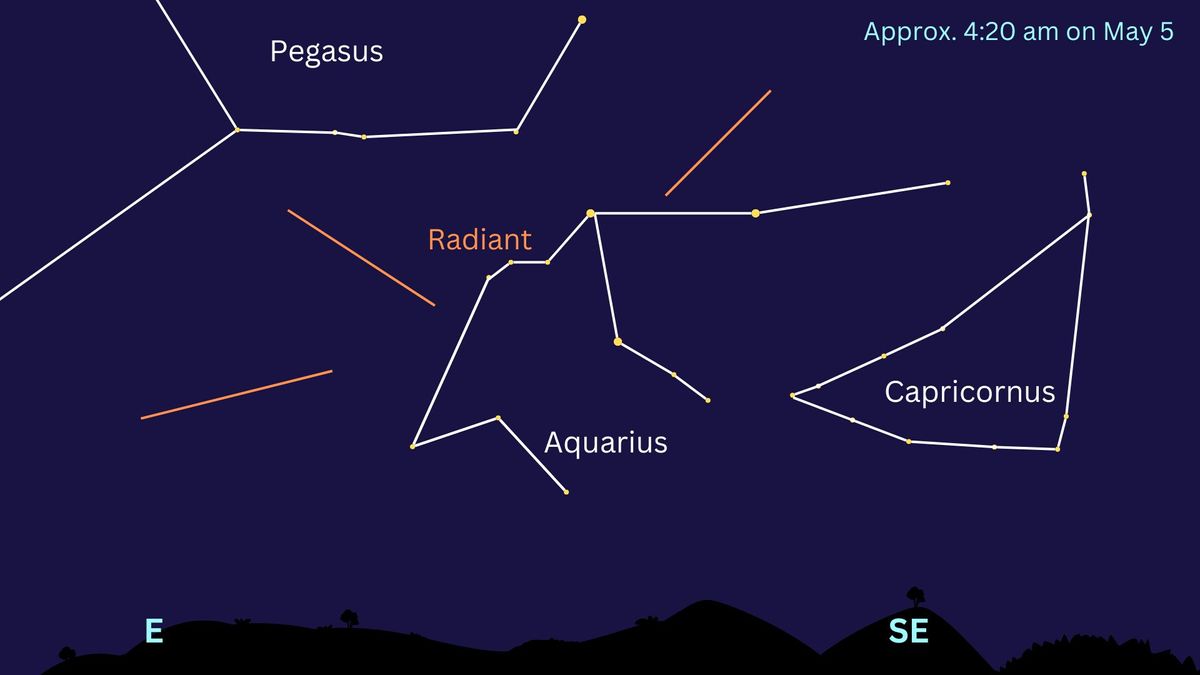
The Eta Aquarids are primarily a southern hemisphere spectacle. The radiant — the point from which meteors appear to originate — lies near the star Eta Aquarii in the constellation Aquarius, just one degree south of the celestial equator. This geometry gives southern observers a high radiant and long viewing window, making the shower one of the best of the year for Australia and other southern latitudes. For northern hemisphere viewers, the radiant rises only around 2 AM local time and transits the meridian after sunrise, leaving a narrow window of darkness. Consequently, northern observers can expect to see only 10 to 30 meteors per hour during the peak.
Moonlight Interference Dims the Show
This year, the shower faces an additional obstacle: a bright waning gibbous moon, 84% illuminated and just four days past full. The moonlight will wash out fainter meteors, reducing the number visible even under clear skies. To mitigate the moon's impact, astronomers recommend positioning oneself so that the moon is physically blocked by a building or hill. The best viewing time remains shortly before dawn on May 6, looking toward the eastern sky.
How to Watch: No Equipment Needed, Just Patience
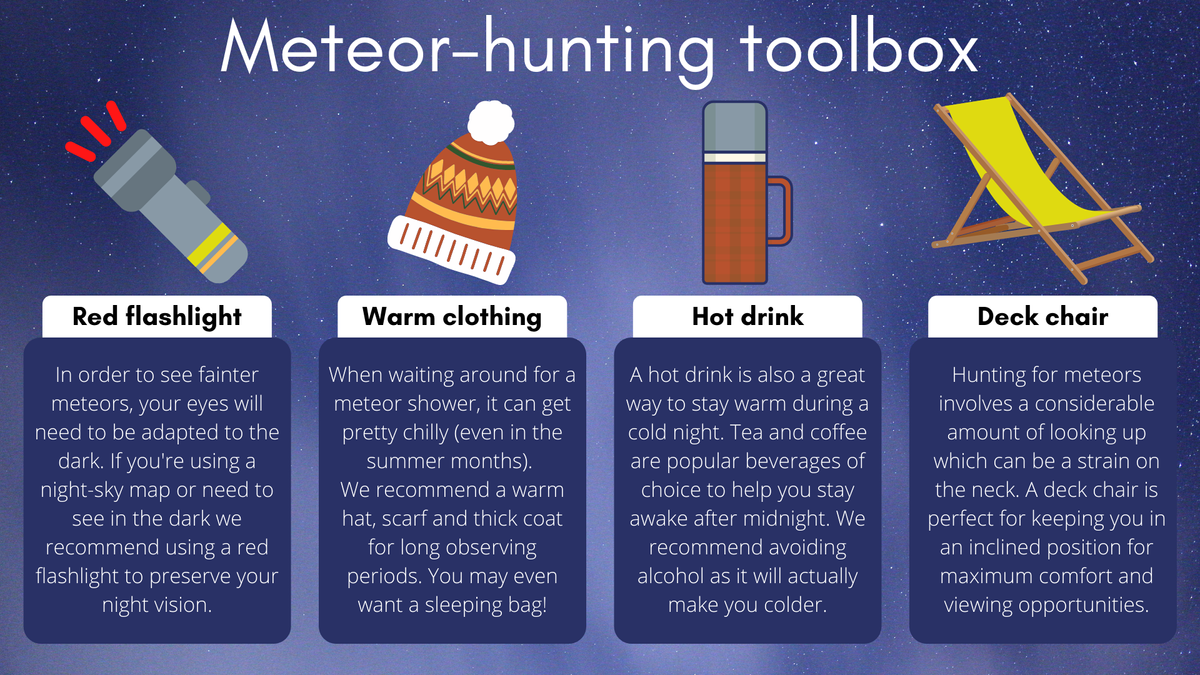
Observing the Eta Aquarids requires no special gear. The key is to find the darkest possible location, away from city lights, and allow at least 30 minutes for eyes to adjust to the dark. Lie back and take in as much sky as possible, avoiding the use of phones or flashlights without a red light setting to preserve night vision. While the radiant is in Aquarius, meteors can appear anywhere in the sky. Looking directly at the radiant yields shorter meteor trails; instead, scan nearby constellations for the most spectacular streaks.
A Shower With a Mythical Reputation
Despite its strength, the Eta Aquarids have a 'PR problem' in the northern hemisphere, as described by astronomers. The shower ranks third among annual meteor displays, behind the August Perseids and December Geminids, but its southern radiant and late-night peak limit its visibility for many. For southern hemisphere observers, however, the Eta Aquarids are a highlight of the year, with the radiant riding high in the sky during the autumn months. The disparity in meteor shower distribution — only two of 13 major showers have southern radiants — remains a cosmic curiosity.
Looking Ahead: 2026 and Beyond
Next year, the Eta Aquarids will again contend with moonlight, as the waning gibbous moon will be 84% illuminated. However, the shower's broad peak means that activity may be noticeable for several days around the maximum. Halley's Comet itself will not return to the inner solar system until 2061, but its debris continues to produce reliable annual displays. For now, skywatchers who brave the moon and the early hour may be rewarded with a glimpse of the comet's ancient legacy.
The bottom line
- Eta Aquarid meteor shower peaks May 5-6, with up to 50 meteors per hour under ideal conditions.
- Meteors originate from Halley's Comet debris, traveling at 41 miles per second.
- Bright waning gibbous moon will reduce visibility, especially for fainter meteors.
- Best viewing in Southern Hemisphere; northern observers may see 10-30 per hour.
- No equipment needed: find a dark site, allow 30 minutes for dark adaptation, and look toward the eastern sky before dawn.
- The shower ranks third among annual meteor displays but is often overlooked in the north due to its southern radiant.



Police Commissioner Richard Chambers Demands 60-Day Resolution for Employment Cases Amid Senior Officer Probe

Florida and California lead US home price declines as insurance costs surge

Georgia Begins Issuing Up to $500 Tax Refunds for Fourth Time in Five Years
