Dairy Cow Welfare Debate Intensifies as Veterinarians Back Calf Pen Limits
A survey of veterinarians across the U.S. and Canada reveals strong support for restricting the number of calves in group pens, reshaping animal husbandry practices.

NEW ZEALAND —
Key facts
- Researchers surveyed veterinarians across the U.S. and Canada on dairy calf housing.
- Veterinarians favored limiting the number of calves in pens.
- The survey focused on dairy calf housing systems.
- the findings for Lancaster Farming.
- Devon Dairy Farms, a 3,000-hectare operation near Wānaka, is tipped for purchase by a wealthy New Zealander.
- Synlait Milk shares remained relatively unmoved amid a product discontinuation.
Veterinarians Call for Tighter Calf Pen Limits
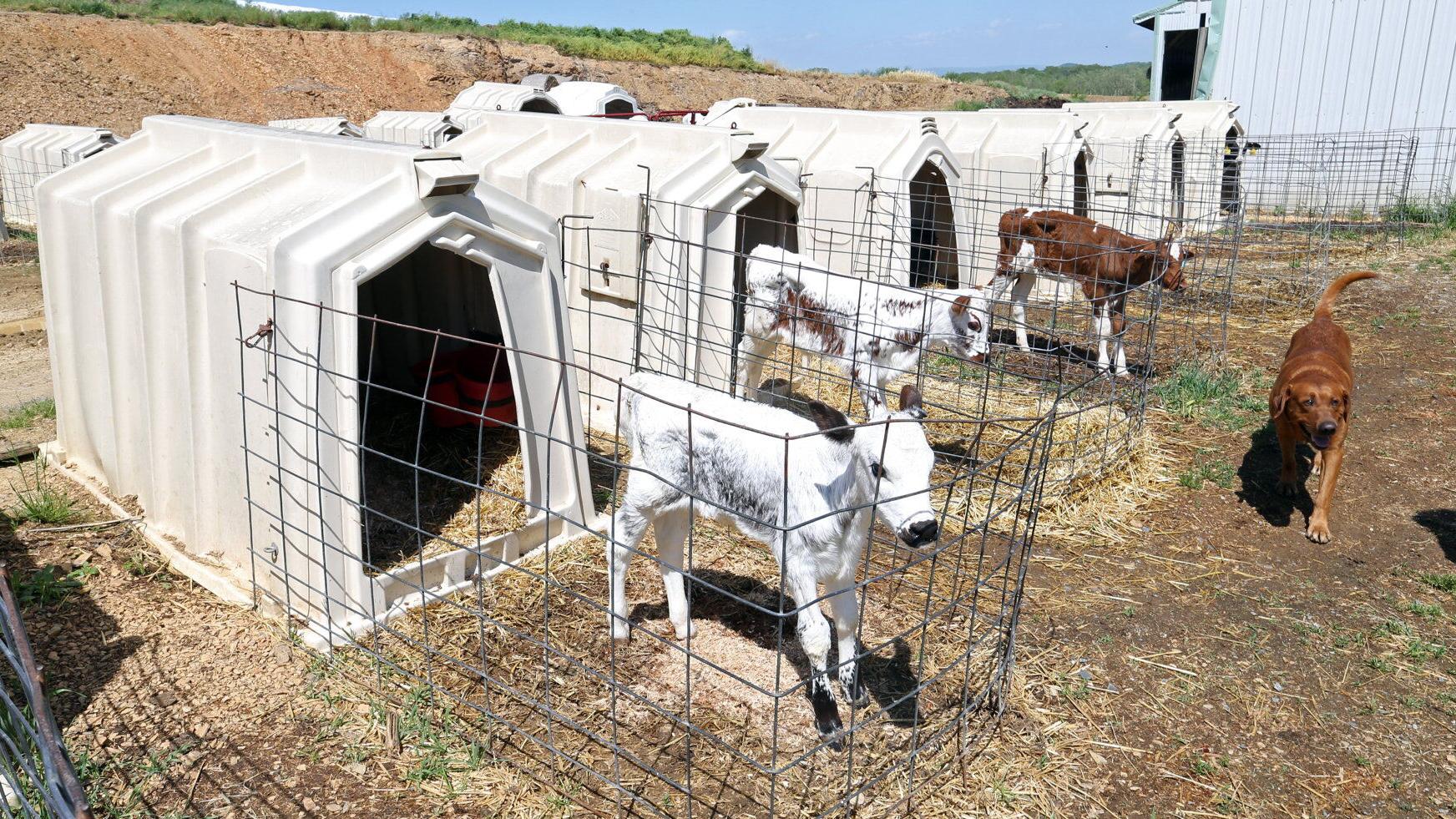
A cross-border survey of veterinarians in the United States and Canada has found broad support for capping the number of calves housed together in pens. The findings, published by Lancaster Farming, signal a growing consensus among animal health professionals that current housing practices may need reform. Researchers asked veterinarians to share their opinions on dairy calf housing systems, with the majority favoring restrictions on group size. The survey did not specify a recommended limit, but the preference for smaller groups reflects concerns over disease transmission, stress, and welfare outcomes in young dairy stock. The study adds scientific weight to ongoing debates over intensive dairy farming methods, particularly in regions where large-scale operations dominate. Veterinarians, as frontline observers of animal health, are uniquely positioned to identify housing configurations that compromise calf well-being.
New Zealand Dairy Land Deal Draws Billionaire Buyer
In a separate development, one of New Zealand’s wealthiest individuals is poised to acquire Devon Dairy Farms, a sprawling 3,000-hectare operation near Wānaka. A source close to the transaction confirmed the impending purchase, though the buyer’s identity has not been officially disclosed. The farm, one of the largest in the region, represents a significant consolidation of dairy assets in a country where the industry is a cornerstone of the economy. The deal underscores continued investor appetite for agricultural land despite fluctuating milk prices and regulatory pressures. Brooke van Velden, a New Zealand politician, has expressed concerns about employment advocates in the sector, though her comments were not directly linked to the Devon sale. The transaction remains subject to customary approvals.
Synlait Milk Shares Steady After Product Halt
Synlait Milk, a major New Zealand dairy processor, saw its shares remain relatively unmoved following the discontinuation of a product manufactured by the company. The product, which has since been pulled from the market, was not named in public disclosures. The muted market response suggests investors had already priced in the change, or that the discontinued item represented a small fraction of Synlait’s overall portfolio. The company, listed on the USX, has faced thin trading volumes, making its share price less reactive to individual events. Synlait’s performance is closely watched as a bellwether for New Zealand’s dairy export sector, which faces headwinds from global demand shifts and environmental regulations.
Industry Faces Crossroads on Animal Welfare and Investment
The twin stories — a veterinary consensus on calf housing and a high-profile land acquisition — illustrate the competing pressures on modern dairy farming. On one hand, animal welfare science is pushing for more humane, smaller-scale housing; on the other, capital continues to flow into large landholdings. Relative returns remain a key metric for investors, as the bank’s first-half statutory profit was dented by a one-off accountancy adjustment, highlighting the financial volatility in the sector. Beca, an engineering firm, sees signs that cities are starting to match vision with action on sustainability, which may eventually affect dairy operations near urban areas. Investor focus is zeroing in on governance and transparency, particularly for co-ops with thinly traded shares. The USX-listed co-op’s limited liquidity makes it vulnerable to sharp moves on small volumes.
What Comes Next: Regulation, Research, and Market Signals
The veterinary survey could influence future legislation on calf housing in both the U.S. and Canada, where animal welfare laws are under review. Researchers may now conduct follow-up studies to quantify optimal pen sizes and the economic impact of restrictions. In New Zealand, the Devon Dairy Farms sale will likely close in the coming months, with implications for land prices and farm consolidation. The buyer’s identity, once revealed, may signal strategic intentions — whether for conventional dairying, organic conversion, or alternative land use. Synlait’s product discontinuation, while minor, could presage broader portfolio rationalization as the company adapts to changing consumer preferences. The dairy industry, from calf pens to corporate boardrooms, is navigating a period of transformation where science, capital, and regulation intersect.
The bottom line
- Veterinarians in the U.S. and Canada broadly support limiting the number of calves in group pens, a finding that could reshape dairy housing standards.
- A wealthy New Zealander is set to buy Devon Dairy Farms, a 3,000-hectare operation near Wānaka, signaling continued investor interest in dairy land.
- Synlait Milk shares were stable after discontinuing an unnamed product, reflecting thin trading and investor indifference.
- Brooke van Velden has raised concerns about employment advocates in New Zealand’s dairy sector, adding a labor dimension to industry debates.
- Relative returns and one-off accounting adjustments are affecting dairy-related financial performance, as seen in a bank’s first-half profit dent.



Florida and California lead US home price declines as insurance costs surge

Knights outlast Rabbitohs 42-38 in NRL thriller after Latrell Mitchell’s late heroics and Cody Walker’s shove

Phoenix Women Face One-Goal Deficit After First-Leg Loss to Brisbane Roar