Queen Elizabeth II's Secret VE Day Escapade: A Night of Freedom in the Crowds
In 1985, the late monarch revealed how she and Princess Margaret slipped out of Buckingham Palace incognito to join the jubilant VE Day celebrations, a memory she cherished as one of the most memorable nights of her life.
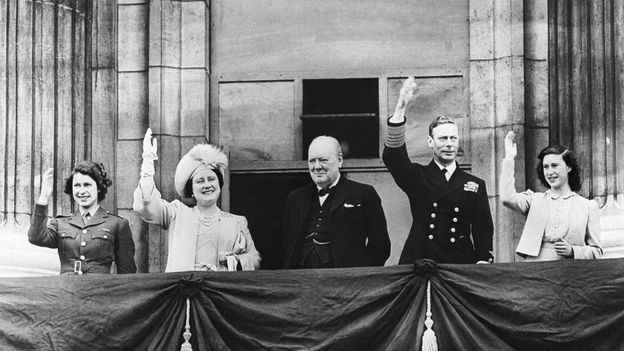
NEW ZEALAND —
Key facts
- VE Day on 8 May 1945 marked the surrender of Nazi Germany and the end of World War II in Europe.
- Princess Elizabeth was 19 and Princess Margaret was 14 when they joined the crowds incognito.
- The royal sisters were accompanied by their cousin Margaret Rhodes and a party of about 16 people.
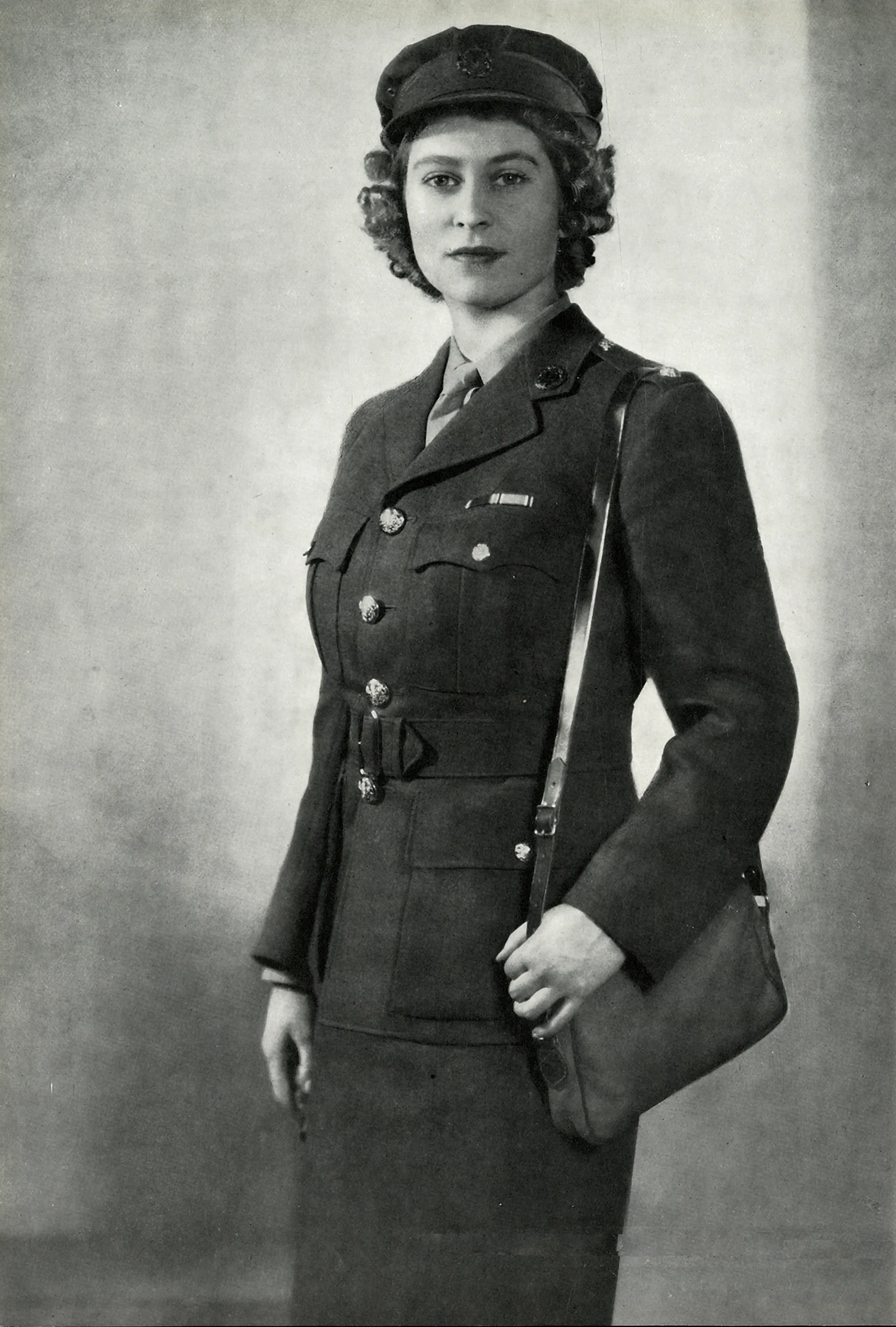
- Elizabeth wore her Auxiliary Territorial Service uniform cap, initially pulled down to avoid recognition.
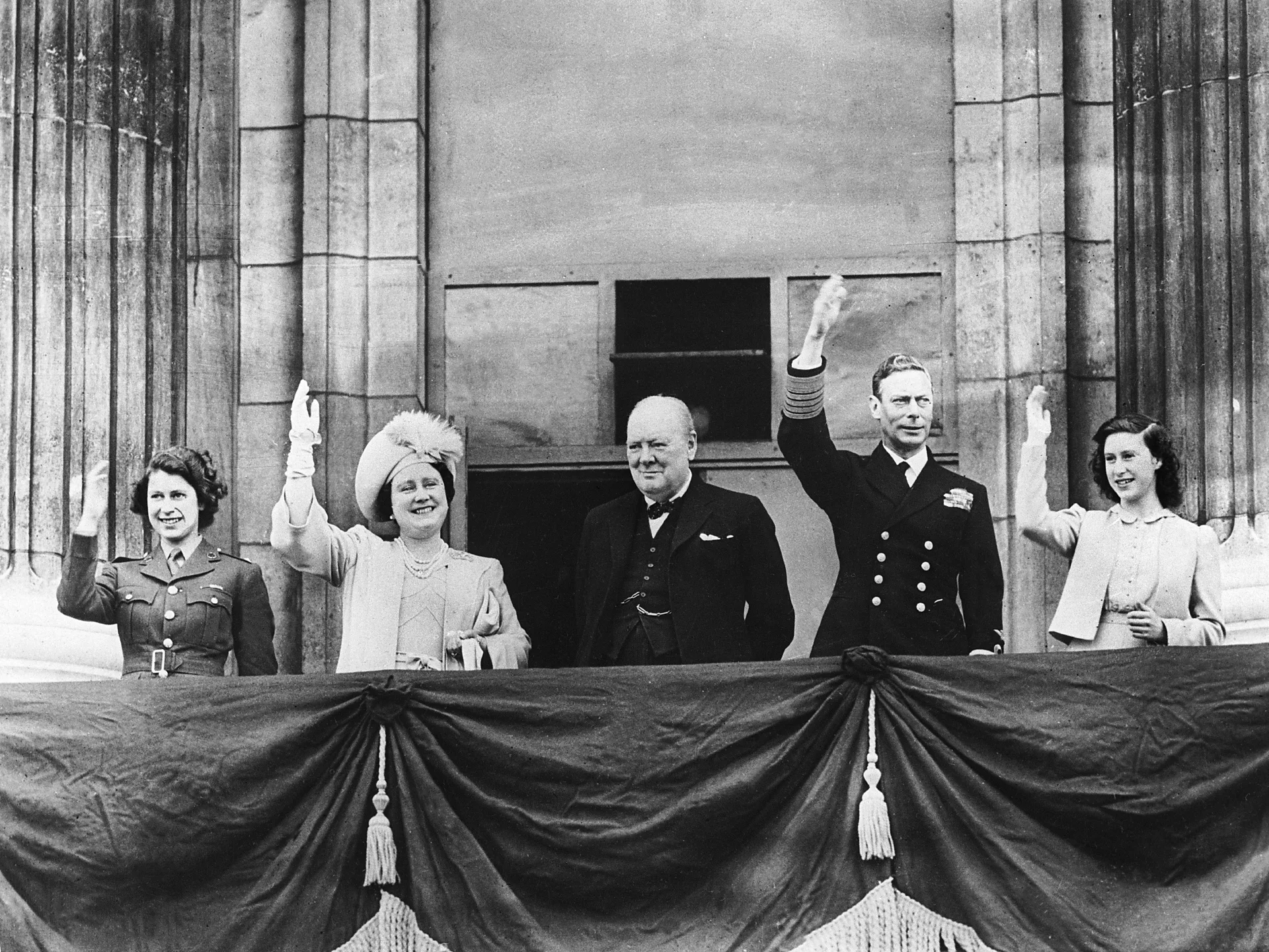
- The Royal Family appeared on the Palace balcony six times on VE Day, once with Prime Minister Winston Churchill.
- The UK suffered approximately 450,000 deaths during the war, including about 67,000 civilians.
- Queen Elizabeth II described the night as 'one of the most memorable nights of my life' in a 1985 BBC interview.
A Teenage Princess Vanishes into the Crowd
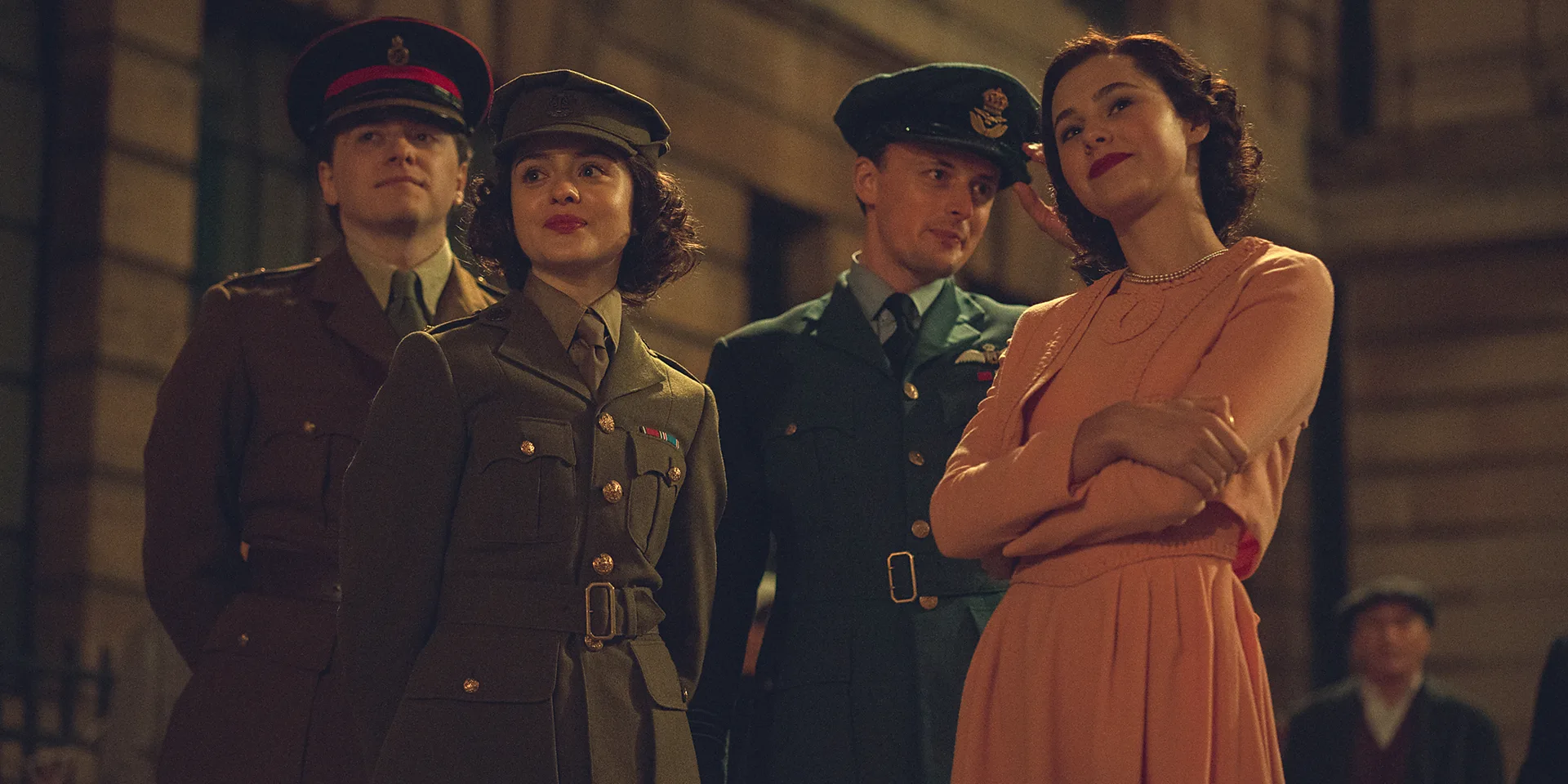
On the evening of 8 May 1945, as London erupted in celebration of Nazi Germany's surrender, a 19-year-old Princess Elizabeth and her 14-year-old sister Margaret slipped out of Buckingham Palace incognito, disappearing into the dancing crowds. The episode, which sounds like fiction, was later dramatised in film, novel and television, but it was very real. The Queen herself recounted the adventure four decades later, calling it 'one of the most memorable nights of my life.' The sisters' father, King George VI, had given his blessing, writing in his diary: 'Poor darlings, they have never had any fun yet.' Their cousin Margaret Rhodes, who joined them, later wrote in her autobiography: 'I suppose that for the Princesses it was a unique burst of personal freedom; a Cinderella moment in reverse, in which they could pretend that they were ordinary and unknown.'
From Wartime Confinement to the Palace Balcony
Princess Elizabeth was 13 when war broke out in 1939, and for six years she was largely confined within Windsor Castle, growing into her role as heir to the throne. In October 1940, at the height of the Blitz, she made her first radio broadcast, aimed at children evacuated to North America, declaring: 'We children at home are full of cheerfulness and courage. We are trying to do all we can to help our gallant sailors, soldiers and airmen.' The Royal Family became a symbol of national resolve, and the decision to keep both princesses in Britain boosted morale. Windsor Castle, about 22 miles from London, was close enough for the sisters to witness the city's blazing skies during air raids. On one occasion, a bomb fell near the castle as they sat in the shelter; Princess Margaret later recalled: 'We all went pink when we heard it.'
The Night the Lights Came On
When Nazi Germany surrendered on 7 May 1945, the UK had endured six years of war with about 450,000 deaths, including 67,000 civilians. The next day, VE Day, dense crowds converged on Whitehall, Westminster and Buckingham Palace. Church bells rang, street parties erupted, and at 3 p.m., Prime Minister Winston Churchill broadcast the official announcement, cautioning: 'We may allow ourselves a brief period of rejoicing but let us not forget for a moment the toils and efforts that lie ahead.' King George VI also spoke, thanking the nation while reminding all that Japan was not yet defeated. BBC reporter Howard Marshall described the scene outside the Palace as 'one dense mass of people in the gayest colours,' with red, white and blue dominating. The Royal Family appeared on the balcony repeatedly, joined once by Churchill. Marshall captured the ecstatic reception: 'Everywhere it's an absolute mad scene of hats being flung into the air, children lifted on their parents' backs, flags flung into the air, a great flutter of waving hands from hundreds of thousands of people.'
Incognito in the Streets: A Cinderella Moment in Reverse
In her 1985 BBC interview, Queen Elizabeth II described how the excitement of the floodlights being switched on spurred the sisters to venture out. 'I think we went on the balcony nearly every hour – six times – and then when the excitement of the floodlights being switched on got through to us, my sister and I realised we couldn't see what the crowds were enjoying. My mother had put her tiara on for the occasion so we asked my parents if we could go out and see for ourselves.' She recalled: 'I remember we were terrified of being recognised so I pulled my uniform cap well down over my eyes. A Grenadier officer amongst our party of about 16 people said he refused to be seen in the company of another officer improperly dressed, so I had to put my cap on normally.' For Princess Margaret, the floodlights were a thrilling novelty after years of blackout. She told the BBC in 1995: 'Everything was dark and gloomy. Suddenly the lights came on and lit up the poor old battle-scarred Palace. My mother was wearing a white dress with a tiara and it all sparkled. There was a great roar from the crowd. It was terribly exciting.'
A Rare Glimpse of the Monarch Among Her People
The VE Day escapade was one of only four known occasions when Elizabeth walked undetected among ordinary people. It was a unique burst of personal freedom for the future queen, who had spent the war years preparing for her public role. Just before the war ended, she turned 18 and joined the Auxiliary Territorial Service, training as a driver and mechanic. Her khaki uniform cap, which she wore that night, later proved useful for disguise. The memory remained vivid throughout her life. In 1985, she told the BBC's Godfrey Talbot about the 'thrill and relief' of hearing the war in Europe was over. After six years of sadness and horror, the celebration was a release. The Queen's account offers a rare, intimate glimpse of the monarch as a young woman, momentarily free from the constraints of royalty.
A Legacy of Duty and Personal Moments
The Queen's relationship with Prince Philip also reflected a private side. In the book 'The Queen: 70 Chapters in the Life of Queen Elizabeth II,' royal expert Ian Lloyd noted: 'The Queen lit up when [Prince Philip] was around, when he walked into a room or when he paid her a compliment.' Lloyd recounted an anecdote from dress designer Ian Thomas, who was adjusting the hem of her dress when Philip passed by and said, 'Hmm, nice dress.' Thomas said the Queen 'flushed scarlet' at the compliment. 'They never completely softened with old age,' Lloyd added. Lloyd explained that Elizabeth relied on Philip as 'the touchstone for the values she grew up with: duty, self-sacrifice, service to Queen and country.' They spoke every day by telephone, wherever they were. These personal details, alongside the VE Day story, paint a portrait of a woman who balanced immense public duty with deeply felt private moments.
The bottom line
- On VE Day 1945, Princess Elizabeth and Princess Margaret slipped out of Buckingham Palace incognito to join the celebrating crowds, a rare moment of personal freedom.
- The Queen described the night as 'one of the most memorable nights of my life' in a 1985 BBC interview, one of only four known times she walked undetected among the public.
- The war confined the princesses largely to Windsor Castle, but they remained close enough to witness the Blitz; a bomb once fell near the castle.
- The UK suffered about 450,000 war deaths, including 67,000 civilians, before the Nazi surrender on 7 May 1945.
- Queen Elizabeth II's relationship with Prince Philip was marked by mutual affection; she would 'flush scarlet' at his compliments, according to a royal expert.
- The VE Day story has been dramatised in film, novel and television, underscoring its enduring fascination.



76ers complete historic 3-1 comeback, stun Celtics 109-100 in Game 7

Hayley Holt, Former Breakfast Host, Eyes Reality TV Comeback After Year Off Screens

TVNZ Considers Removing 'Taste of Art' After Harassment Complaints Against Chef Vaughan Mabee