Q’orianka Kilcher Sues James Cameron Over Avatar Character Likeness
Actor alleges director used her facial features without consent to create Neytiri, demanding compensation for alleged exploitation.

NEW ZEALAND —
Key facts
- Actor Q’orianka Kilcher files lawsuit against James Cameron and Walt Disney Company.
- Suit claims director based Avatar character Neytiri on Kilcher’s facial features.
- Cameron allegedly saw Kilcher in an advert for the 2005 film 'The New World'.
- Kilcher was reportedly 14 years old when Cameron allegedly used her likeness.
- Cameron gifted Kilcher a sketch of citing her as inspiration.
- Kilcher claims she learned of the alleged use of her features via a social media clip last year.
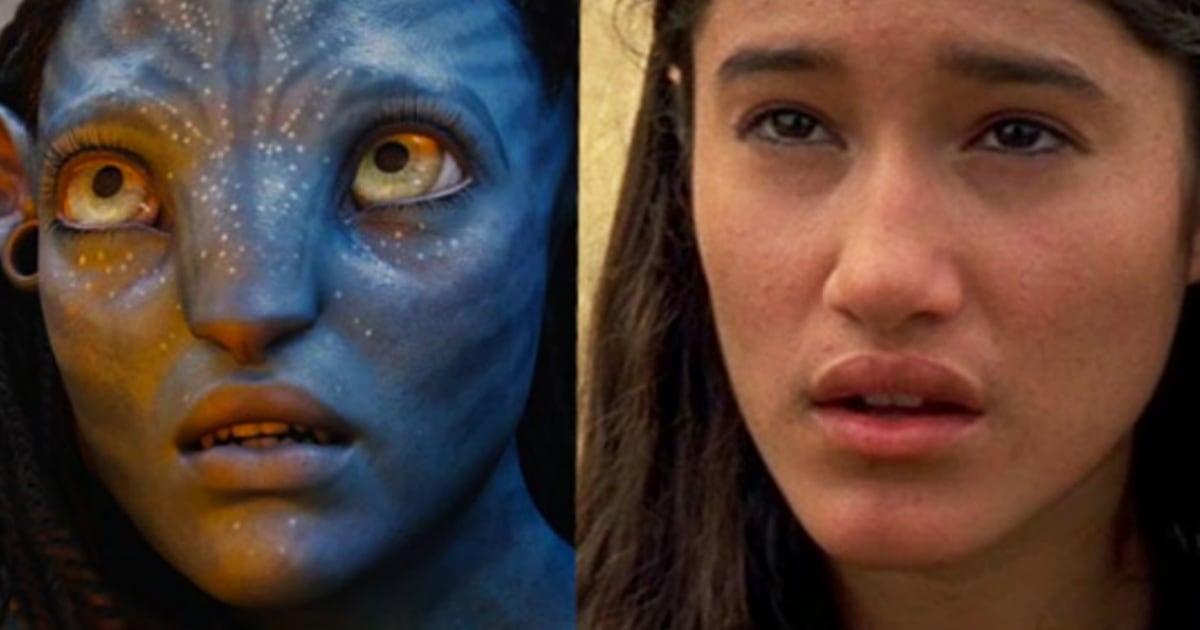
- The lawsuit details the alleged use of Kilcher's lips, chin, and jawline in Neytiri's design.
Actor Alleges Facial Feature Theft for Blockbuster Character
Filmmaker James Cameron and the Walt Disney Company face a significant lawsuit alleging that a key character in the multibillion-dollar 'Avatar' franchise was developed using an actor's facial features without her permission. Q’orianka Kilcher, a Native Peruvian actor known for her roles in 'The New World' and 'Yellowstone,' has filed a complaint asserting that director James Cameron 'extracted her facial features' to design Neytiri, the prominent Na'vi character played on-screen by Zoe Saldaña. The suit contends that Cameron based the character's likeness on Kilcher after seeing her in a Los Angeles Times advertisement for Terrence Malick's 2005 film 'The New World,' in which she portrayed Pocahontas. This alleged appropriation of her biometric identity and cultural heritage, the lawsuit claims, occurred without any form of credit or compensation. This legal challenge casts a shadow over a franchise that has presented itself as sympathetic to Indigenous struggles, while simultaneously, the suit argues, exploiting a young Indigenous performer behind the scenes. The complaint details how Kilcher's image was allegedly used in production sketches, sculpted into maquettes, and laser-scanned into high-resolution digital models, ultimately shaping Neytiri's final appearance across films, posters, and merchandise.
A Gift and a Revelation Years Later
According to the lawsuit, Cameron met with Kilcher in 2010, after the release of the first 'Avatar' film. At an event, the director presented the actor with a framed sketch of Neytiri, which he had personally drawn and signed. Accompanying the artwork was a handwritten note from Cameron stating, 'Your beauty was my early inspiration for Neytiri.' Despite this acknowledgement, the suit alleges that Cameron's team had not attempted to cast Kilcher for the role, even as her agent actively sought opportunities for her. Kilcher states she was unaware of the extent to which her facial features had been incorporated into the character's design until an interview clip featuring Cameron began circulating on social media approximately a year ago. In that circulating clip, Cameron reportedly identified a photograph of a young Q’orianka Kilcher from the Los Angeles Times as the 'actual source' for Neytiri's inspiration. The lawsuit asserts that this revelation, years after the film's release and Cameron's personal acknowledgement of her influence, prompted Kilcher to pursue legal action.
Allegations of Deception and Exploitation
The legal complaint details how Cameron allegedly struggled with Neytiri's appearance in 2005, finding the character too 'alien' to evoke audience empathy. The suit claims he then identified Kilcher's image from the Los Angeles Times advertisement, seeing in the then-14-year-old actor the 'muse' he needed to establish a humanizing 'facial anchor' for the character. Specific elements of Kilcher's face, including her lips, chin, jawline, and overall mouth shape, are cited in the lawsuit as having been preserved in Neytiri’s final digital rendering. This process, the suit argues, constituted a 'literal transplant of a real teenager’s facial structure into a blockbuster movie character' without consent or compensation. Furthermore, the lawsuit accuses Cameron and his team of concealing the truth about the character's inspiration for years. The complaint states that the creators of the 'hugely lucrative film franchise' deliberately exploited a young Indigenous girl's identity and heritage for commercial gain, all while projecting an image of sympathy towards Indigenous communities.
The 'Avatar' Franchise and Its Financial Scale
The 'Avatar' film series, directed by James Cameron, has achieved unprecedented financial success, grossing billions of dollars across its installments. The first film, released in 2009, became the highest-grossing film of all time, a record it held for many years. Subsequent sequels have continued to perform exceptionally well at the global box office. This immense commercial success is central to Kilcher's lawsuit, which frames the alleged appropriation of her likeness as a means to create a character that would resonate with audiences and drive the franchise's profitability. The suit highlights the discrepancy between the franchise's narrative themes, which often champion Indigenous rights and environmentalism, and the alleged behind-the-scenes exploitation of an Indigenous performer. While Zoe Saldaña provides the on-screen performance for Neytiri, the lawsuit focuses on the foundational design of the character, asserting that Kilcher's facial structure served as the blueprint for the visual representation of this central figure in the 'Avatar' universe.
Legal Avenues and Future Implications
The lawsuit filed by Q’orianka Kilcher seeks damages for the alleged unauthorized use of her likeness, biometric identity, and cultural heritage. It brings claims against both James Cameron and The Walt Disney Company, which distributes the 'Avatar' films. Legal experts suggest that cases involving the unauthorized use of a person's likeness, particularly when tied to biometric data and creative inspiration, can be complex. The outcome may hinge on establishing proof of direct appropriation and the extent to which Kilcher's features were demonstrably used and whether adequate consent was obtained. Representatives for James Cameron have been contacted for comment, but as of this report, no official statement has been released regarding the allegations. The legal proceedings are expected to unfold, potentially setting precedents for how creative inspiration is sourced and compensated in the high-stakes world of blockbuster filmmaking.
The bottom line
- Actor Q’orianka Kilcher is suing James Cameron and Disney, alleging her facial features were used without consent for the 'Avatar' character Neytiri.
- The lawsuit claims Cameron was inspired by Kilcher's appearance in a 2005 advertisement and later acknowledged her as an early muse.
- Kilcher states she was unaware of the extent of her likeness being used until a social media clip surfaced last year.
- The suit accuses the filmmakers of exploiting a young Indigenous girl's identity for a record-breaking franchise.
- Specific facial features, including lips, chin, and jawline, are cited as being directly incorporated into Neytiri's design.
- The legal action seeks compensation for alleged unauthorized use of Kilcher's biometric identity and cultural heritage.


Simon Barnett Medically Eliminated from Celebrity Treasure Island After Calf Injury

Hayley Holt, Former Breakfast Host, Eyes Reality TV Comeback After Year Off Screens

Dolly Parton Cancels Las Vegas Residency as Health Recovery Continues
