LIV Golf's Saudi Funding Ends, Leaving Stars Like Rahm and DeChambeau in Limbo
With the Public Investment Fund withdrawing its $5 billion backing after 2026, the breakaway league faces collapse and its top players confront uncertain paths back to the PGA Tour.
NEW ZEALAND —
Key facts
- Saudi Arabia's Public Investment Fund will stop funding LIV Golf after the 2026 season.
- PIF invested over $5 billion in LIV since 2022, with no major TV rights deal or path to profitability.
- $300 million contract in December 2023 and has earned $92.5 million in prize money.
- Brooks Koepka accepted a return to the PGA Tour under the Returning Member Program, but Rahm, DeChambeau, and Smith declined.
- Rahm is ineligible for the 2027 Ryder Cup due to a dispute with the DP World Tour over fines and membership.
- Bryson DeChambeau sought a contract extension worth more than Rahm's $300 million, but LIV did not engage.
- Representatives for multiple LIV players have contacted the PGA Tour about a potential return.
- The PGA Tour's Returning Member Program is not expected to be renewed, and returning players will face stricter conditions.
The End of Saudi Funding
LIV Golf's future has never been more uncertain. The Saudi Arabian Public Investment Fund, which poured over $5 billion into the breakaway league since its 2022 launch, will withdraw its financial backing after the 2026 season. The decision leaves the league scrambling to find replacement capital, with one event already postponed and the possibility of more cancellations looming. PIF claimed it "forever changed the game of golf," and its £3.8 billion investment indeed turned the professional game upside down. But with no meaningful television rights deal in a major market and limited evidence of a path to profitability, the world's most aggressive sovereign wealth fund concluded the venture was no longer worth sustaining. LIV CEO Scott O'Neil has signaled that any future iteration of the league may look nothing like the present.
Stars Face Uncertain Futures
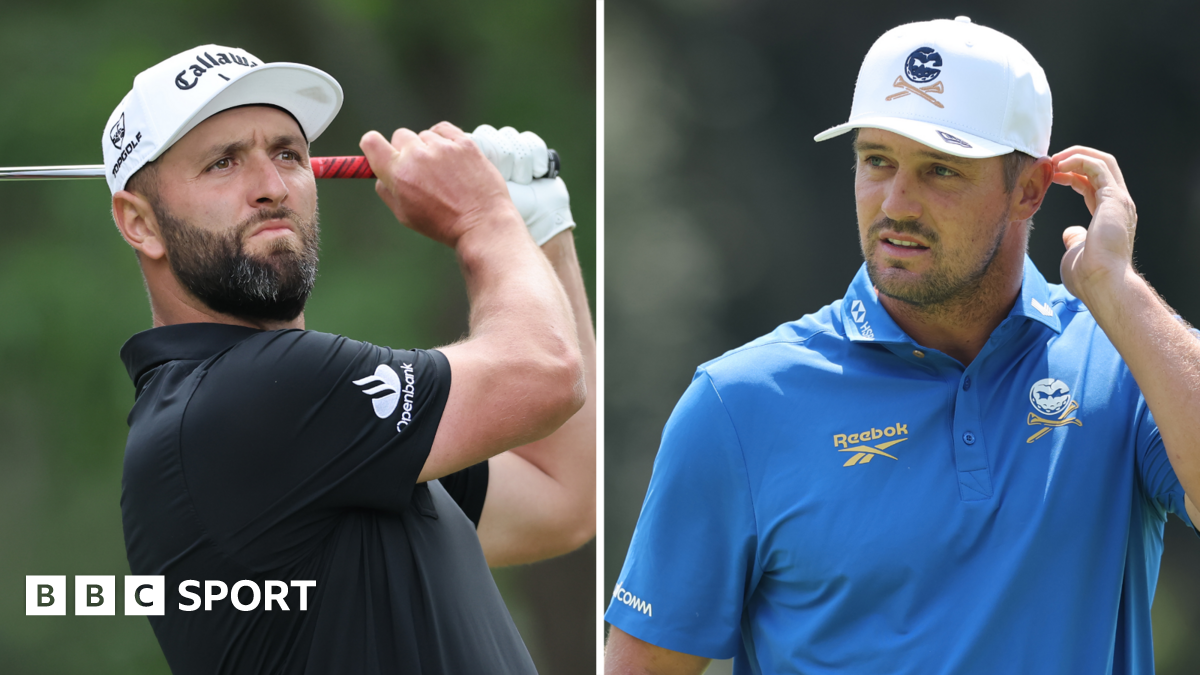
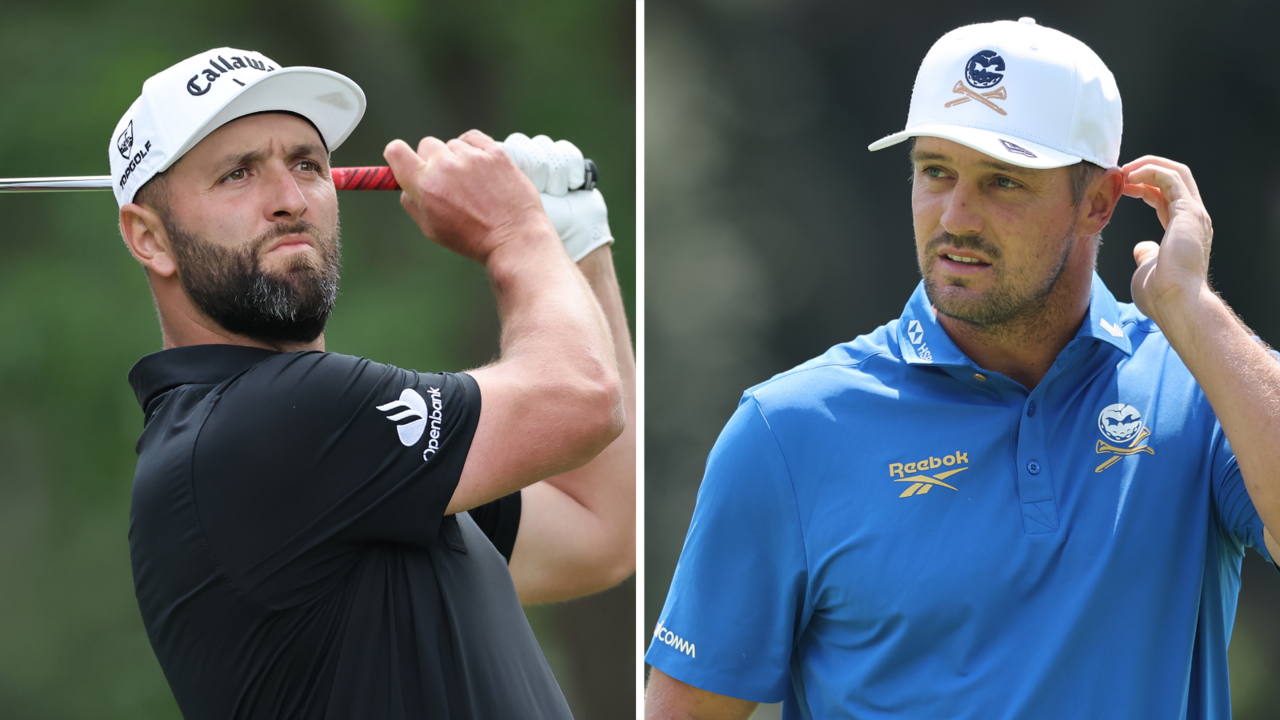
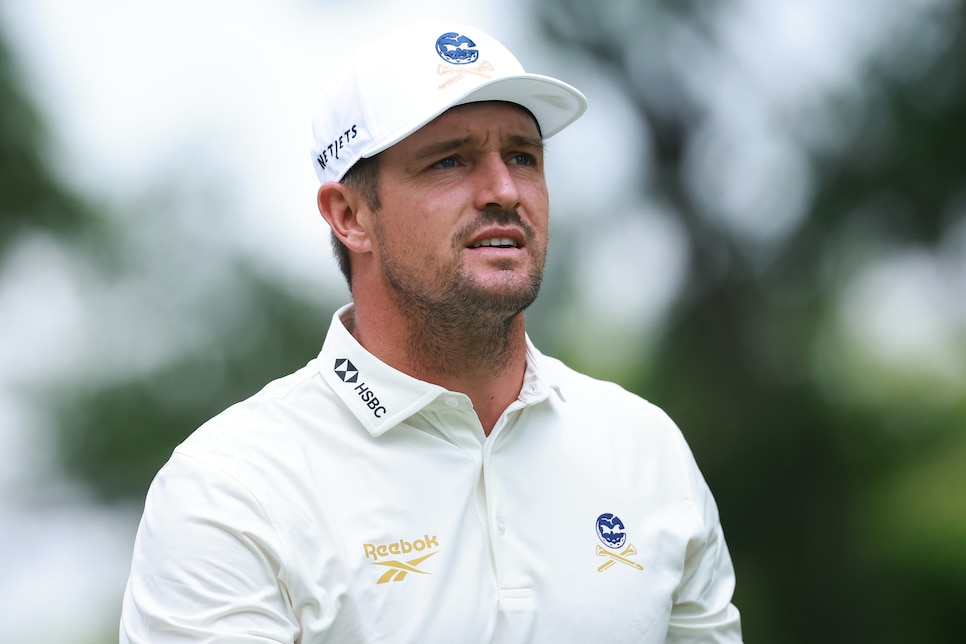
Jon Rahm, who signed with $300 million, has earned nearly $92.5 million in prize money over two completed seasons. Yet his golfing future is deeply unclear. He is banned from the PGA Tour for at least a year after declining the Returning Member Program that Brooks Koepka accepted. Rahm also remains in dispute with Europe's DP World Tour, having refused to pay fines or accept a settlement requiring him to play six European events. As a result, he is not a member in good standing and is ineligible for Europe's 2027 Ryder Cup team. Bryson DeChambeau, the 2024 U.S. Open champion, is LIV's most prominent figure and commercially valuable player. In the weeks before the Masters, his representatives approached LIV about a new deal seeking a figure well above Rahm's $300 million contract. LIV did not engage at that level. DeChambeau has since been noncommittal, saying his current deal runs through year's end and that "as long as LIV is here, I would figure out a way for it to make sense." Sources say his view has shifted and he now regards LIV as having underdelivered on its initial vision.
PGA Tour's Restrictive Return Path
Golf Digest has learned that representatives for multiple LIV players have contacted the PGA Tour to discuss a potential return. People familiar with the conversations say a path back will exist, but the conditions are expected to be considerably more restrictive than those granted to Brooks Koepka under the Returning Member Program. That program, unveiled by CEO Brian Rolapp in January, offered a performance-based pathway for players who had been away for at least two years and won a major or the Players Championship between 2022 and 2025. Only Koepka, Cameron Smith, Jon Rahm, and Bryson DeChambeau qualified. The window closed Feb. 2, and all three besides Koepka passed. A PGA Tour source said the Returning Member Program is not expected to be renewed. "The situation is different now," the source added. Even the path Patrick Reed faces—a one-year ban after his last LIV appearance—may not be available. The tour will sort returning players into categories based on their membership status when they left, with those who resigned facing different terms than those who never officially did. The 11 players who joined the antitrust suit against the PGA Tour, including DeChambeau, Phil Mickelson, Talor Gooch, and Ian Poulter, will face additional scrutiny. "I don’t necessarily have scar tissue, but there are plenty of people around our tour who do," Rolapp told the Wall Street Journal. "It has to be accounted for in some shape or form."
Rahm and DeChambeau: Two Complicated Cases
Rahm's situation is particularly fraught. His exit at the end of 2023 may have prolonged the golf conflict by a full year, as LIV was on the ropes and the framework agreement with the PGA Tour was advancing. Then Rahm crossed over, delivering the Saudi circuit the validation it was running out of time to find. Should LIV collapse in 2027, his only option may be a humbled return to the DP World Tour—assuming a door is still open. The DP World Tour has been working to find him a path back, but Rahm has not made that easy. At the Masters he was unapologetic and gave no indication of softening his position. DeChambeau's return to the PGA Tour is complicated by his role in the antitrust litigation and his previous criticism of the tour's regulations. He has described feeling out of place there, restricted by rules at odds with his approach. He is reportedly open to the changes Rolapp has introduced, and his representatives have reached out to explore his options, but that openness is conditional. A PGA Tour that includes both Rahm and DeChambeau would be a stronger product on competitive merits, but officials recognize the difficulty of readmitting players who declined a defined pathway back. Readmitting them now, not because they reconsidered the tour's benefits but because LIV's collapse eliminated their alternatives, would carry a different meaning. It would signal the tour is willing to revise its own framework under pressure—an impression Rolapp can ill afford as he consolidates authority.
The Numbers Behind the Collapse
PIF's total commitment to LIV exceeds $5 billion since 2022, with no evidence of a path to profitability and no major television rights deal in a key market. The league's financial model relied entirely on Saudi backing, and any prospective investor would inherit a venture that the world's most aggressive sovereign wealth fund concluded was no longer worth sustaining. Valuations across sports leagues and properties have softened, making negotiations difficult. For players still under LIV contracts, the timeline is the immediate concern. Even in a best-case scenario involving new ownership, the process of identifying a buyer, conducting due diligence, and restructuring financial commitments would likely extend well beyond the current funding runway. In the interim, contracts may go unfulfilled, more events may be reduced or canceled, and players weighing a return to the PGA Tour or DP World Tour will be doing so against a closing window. The path off the LIV roster may not move as quickly as the path onto it once did.
What Comes Next for the Breakaway League
LIV's future hinges on whether it can secure replacement capital. PIF has reportedly informed players and staff that it is withdrawing funding after 2026, with one of the remaining scheduled events already postponed. The league's CEO, Scott O'Neil, has acknowledged that any future iteration may look different from the present. The question of whether LIV can survive as a going concern without Saudi money remains open, but the odds are long. For the PGA Tour, the potential return of LIV stars presents both opportunity and risk. Integrating players like Rahm and DeChambeau would boost ratings, sponsor interest, and the depth of marquee events. But doing so on terms set by circumstance rather than by the program Rolapp put in place could undermine his credibility and the tour's governance. The precedent matters as the tour finalizes significant structural changes to its schedule, governance, and competitive model.
A Humbled Return or a Closed Door?
The collapse of LIV Golf, if it comes, would mark the end of a tumultuous chapter in professional golf. The Saudi experiment upended the sport, made many players extraordinarily wealthy, and forced the PGA Tour to find funding to stem an exodus of talent. But the breakaway league's reliance on a single benefactor, combined with its failure to secure a sustainable business model, has left it vulnerable. For the players who bet on LIV, the reckoning is personal. Rahm, DeChambeau, Smith, and others face a future that may involve a humbled return to the tours they left—if those tours will have them. The PGA Tour has made clear that the path back will not be easy, and the resentment over the litigation and the disruption lingers. The DP World Tour, too, has its own conditions. The window for a graceful return has closed; what remains is a test of whether the sport's governing bodies can reconcile with its prodigal stars without sacrificing the integrity of their own rules.
The bottom line
- Saudi Arabia's PIF will stop funding LIV Golf after 2026, leaving the league's survival in doubt.
- Jon Rahm, Bryson DeChambeau, and Cameron Smith face uncertain futures as they declined the PGA Tour's Returning Member Program.
- Rahm's Ryder Cup eligibility is in jeopardy due to his dispute with the DP World Tour.
- The PGA Tour will not renew the Returning Member Program, and returning LIV players will face stricter conditions, especially those involved in antitrust litigation.
- DeChambeau sought a contract extension worth over $300 million but LIV did not engage; he now views the league as underdelivering.
- LIV contracts may go unfulfilled, and more events could be canceled as the league seeks new funding.

Chris Wood's penalty puts Nottingham Forest within reach of first European final since 1980
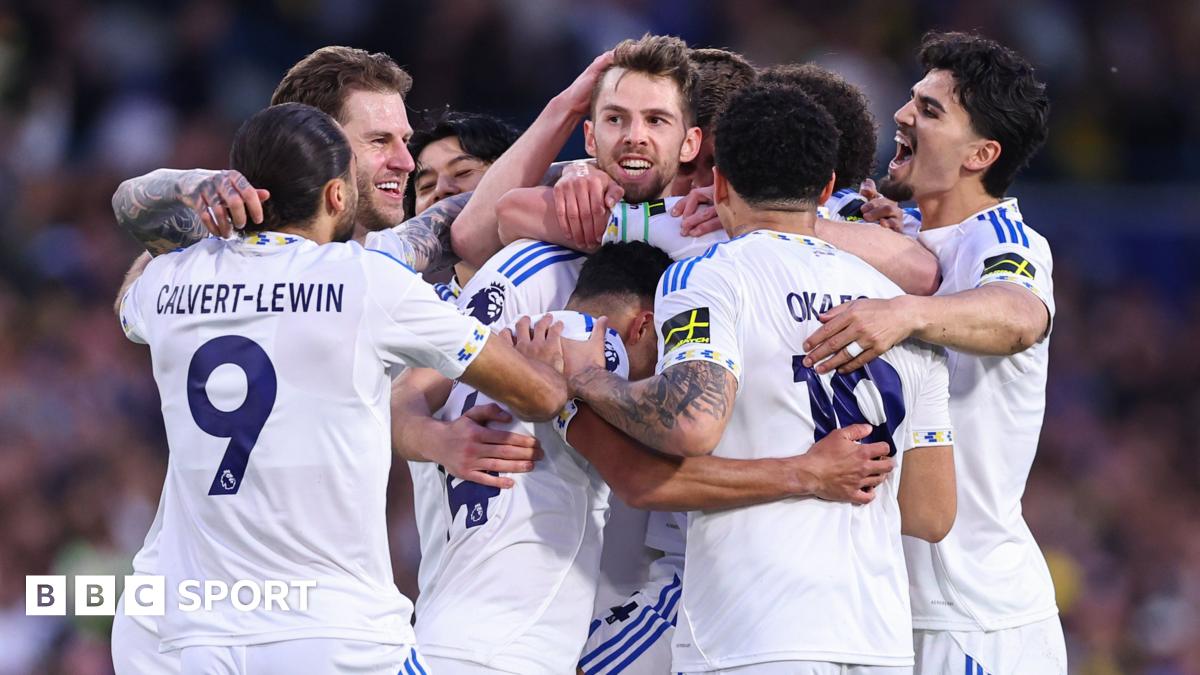
Leeds United on the Brink of Premier League Safety as They Host Relegated Burnley