UK dual national baby denied boarding over passport rules
New regulations leave families stranded abroad, sparking accusations of poor communication from the Home Office.

NEW ZEALAND —
Key facts
- An 11-month-old baby was denied boarding a flight to the UK from Spain.
- The baby, Lily Rodgers, was born in Scotland but holds an Austrian passport.
- New rules implemented in February require dual nationals to use a British passport or certificate of entitlement to abode for UK travel.
- The cost of a UK passport or certificate of entitlement to abode is £589.
- Sarah Schloegl, the baby's mother, was unaware of the rule change until reaching the departure gate.
- Campaign group the3million criticises the Home Office's lack of compassion.
- The Home Office states information was available on gov.uk.
Family Stranded Abroad by New Passport Regulations
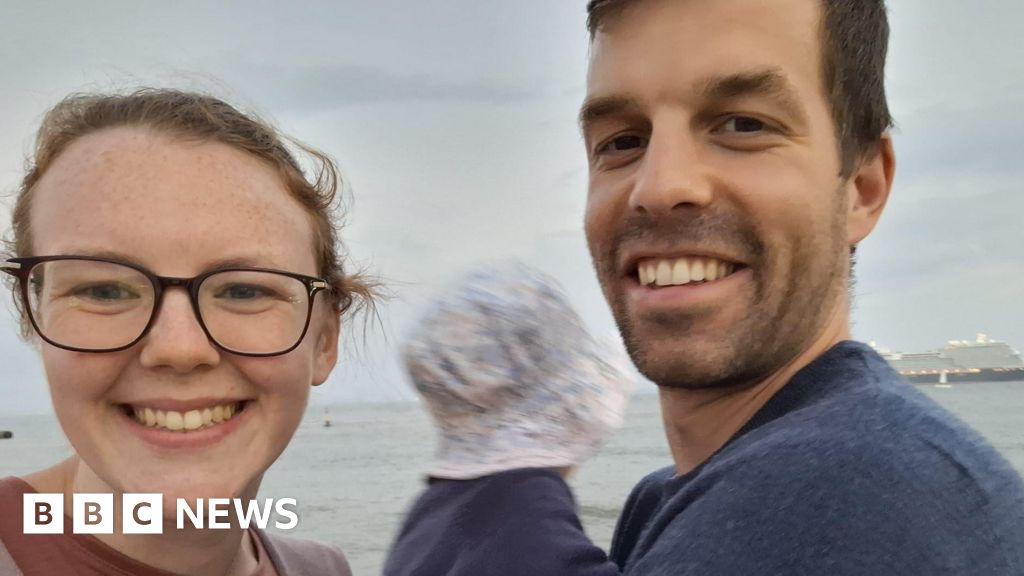
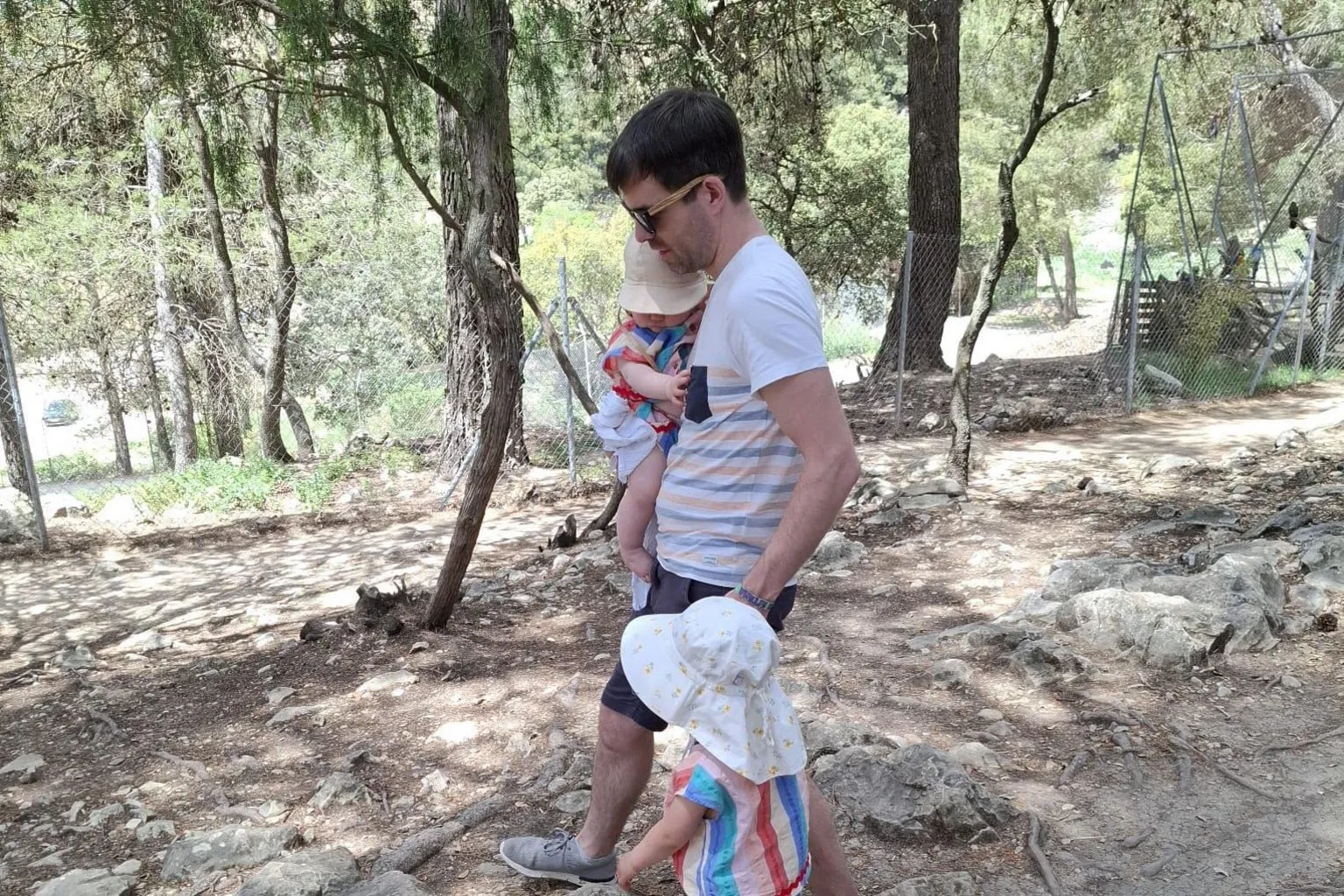
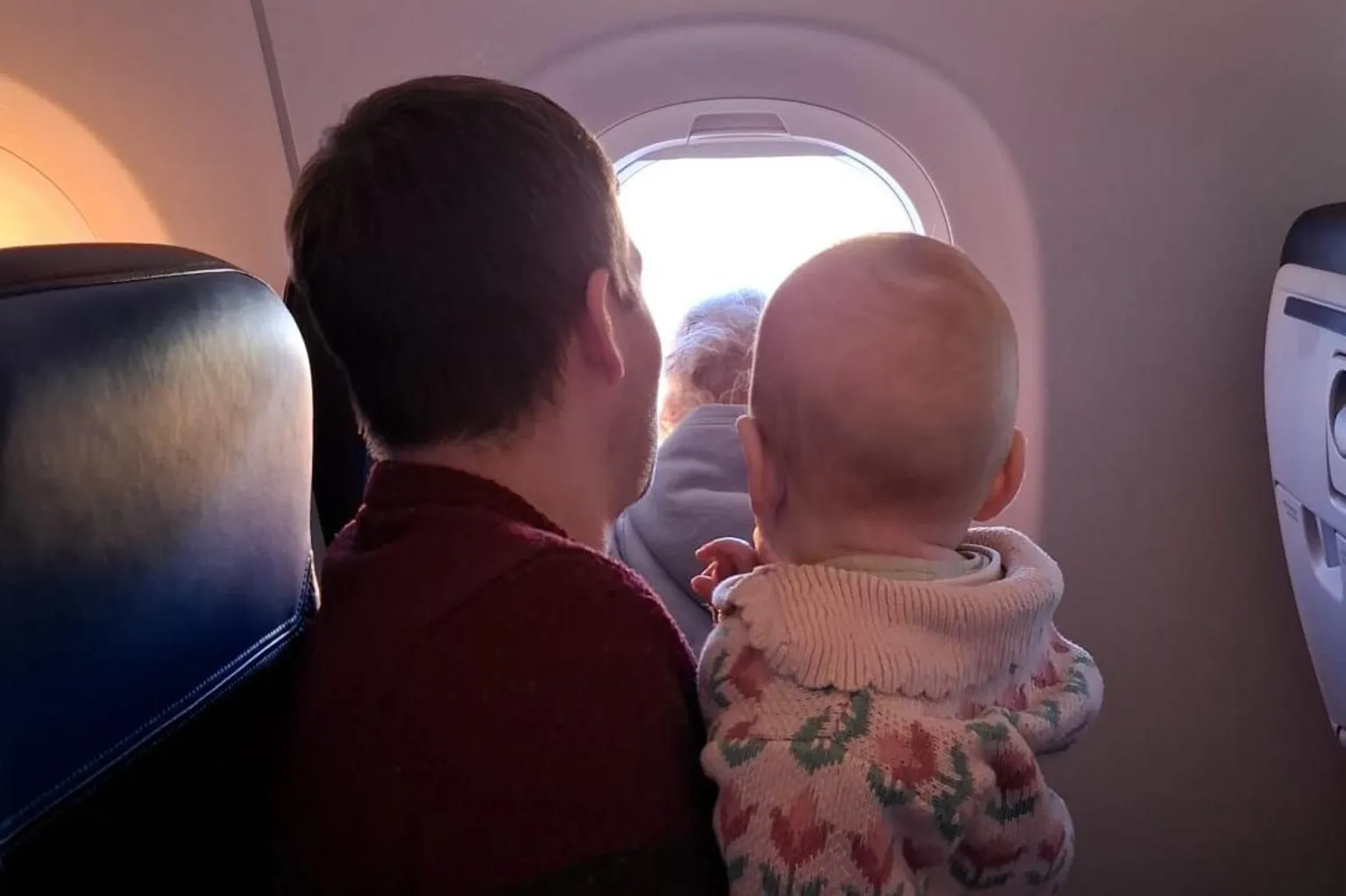
A British woman and her infant daughter have been stranded abroad after the 11-month-old was prevented from boarding a flight home to the United Kingdom. Sarah Schloegl, from Aberdeen, was attempting to return from a short holiday in Alicante, Spain, with her Austrian husband, Philipp, their three-year-old daughter, and their baby. The incident, which occurred last week, highlights a significant change in border control policy for dual nationals, a change that has caused considerable distress and confusion for families. The new rules, implemented in February, mandate that British dual nationals must present a British passport or a certificate of entitlement to abode when travelling to the UK by flight, train, or ferry. This requirement, which carries a substantial cost of £589 for the necessary documentation, has caught many travellers unaware, leading to situations like Schloegl's, where a child born in the UK was effectively barred from entering the country.
A Rule Change Unseen, a Departure Gate Revelation
Schloegl stated she had followed news regarding travel changes but remained unaware of this specific alteration. She argued that such a significant rule change should have been prominently displayed on airport posters and airline websites well in advance of its implementation. The first she knew of the new requirement was at the departure gate in Alicante. While her older child, who holds both Austrian and British passports, and her husband, who possesses post-Brexit settled status, were cleared to board the Ryanair flight, the baby was refused passage. "I do feel this is ridiculous because my baby was born in the UK, lives in the UK, but she’s not allowed to enter the UK, even with me, her mum, who is British," Schloegl recounted. She emphasised her Scottish heritage and that both her children were born in Scotland, with her parents and grandparents also hailing from the region. Her husband also holds settled status in the UK.
Dual Nationality and the Impact on Children
The baby, identified as Lily Rodgers, was born in Scotland but holds an Austrian passport, reflecting her father Philipp's nationality. Under previous regulations, which were revised in February, British dual nationals from visa-free countries could travel to the UK using their foreign passport. Lily's mother, Sarah Rodgers, explained that they now face a waiting period of several months for Lily's British passport application to be processed. She noted that Lily's Austrian passport indicates her birthplace as Britain, and that offering her birth certificate as proof was insufficient. "It is probably kids and young people are probably the ones who, with dual nationality, who are impacted most," Schloegl commented, underscoring the particular vulnerability of children in this situation. The family, who live in Ellon and also have a three-year-old daughter, Heidi, had their luggage already loaded onto the plane before the issue was flagged during boarding.
Communication Breakdown and Home Office Response
Schloegl, like many others who have contacted reports in recent months, has voiced complaints about the Home Office's alleged failure to effectively communicate the rule change. Immigration minister Mike Tapp has previously dismissed such claims as "absurd." Monique Hawkins, head of policy and advocacy at the campaign group the3million, stated, "The Home Office said they would take a compassionate and pragmatic approach to travellers who experience genuine difficulty. We cannot see the compassion in refusing boarding to an 11-month baby." While the Home Office maintains that the information was published on gov.uk, dual nationals argue that this is not a practical source for travellers to check for such updates. Schloegl was aware of the Electronic Travel Authorisation (ETA) requirement for her Austrian in-laws, which had been widely publicised on airline websites, but the dual national rule had not received similar visibility.
Consequences of Inadequate Communication
The lack of clear communication surrounding the new passport rules has led to significant disruption for Britons living abroad, some for decades. These individuals have missed crucial family events, including funerals and visits to elderly parents, due to being unable to travel. Schloegl's attempts to secure emergency travel documents for her baby from the British embassy in Spain were unsuccessful. She was informed that she did not meet the criteria for such special papers, leaving her in a precarious position. "They seemed to think that would be enough proof that she was British, but when they spoke to the Home Office they were told: ‘No, she’s not allowed into the country,’" Schloegl said, recounting the frustrating experience of trying to prove her child's right to enter the UK.
Navigating the Uncertainty
The family, facing a night in Alicante, booked a hotel and sought assistance from the consulate the following morning. Their hopes of a swift resolution were dashed when they were informed that processing could take weeks. Philipp's Austrian nationality provided a temporary solution, allowing the family to book a flight to Vienna to stay with his relatives. "This is terrible but we are so lucky to have family here that we can stay with," Sarah Rodgers remarked. The situation underscores a broader concern about the practical implications of policy changes for citizens abroad and the effectiveness of government communication channels in reaching those most affected.
The bottom line
- New UK rules implemented in February require dual nationals to use a British passport or certificate of entitlement to abode for travel to the UK.
- An 11-month-old baby born in Scotland was denied boarding a flight from Spain due to not possessing the correct documentation.
- The baby's mother, Sarah Schloegl, claims she was unaware of the rule change until reaching the airport departure gate.
- Critics argue the Home Office failed to adequately communicate the policy change, leading to family disruptions.
- The cost of a UK passport or certificate of entitlement to abode is £589.
- The incident highlights the challenges faced by dual nationals and their families when navigating updated travel regulations.



Neil Finn Buys Auckland's Infamous Edinburgh Castle, Plans Wellness Retreat

New Zealand Faces Stagflation Fears as Unemployment Rate Hovers Near Decade High

Epic Charter Schools Founders Face Trial as Judge Dismisses Key Defense on Public Funds
